



City Profile
Kodiak, Alaska
USA · Comprehensive city data and intelligence
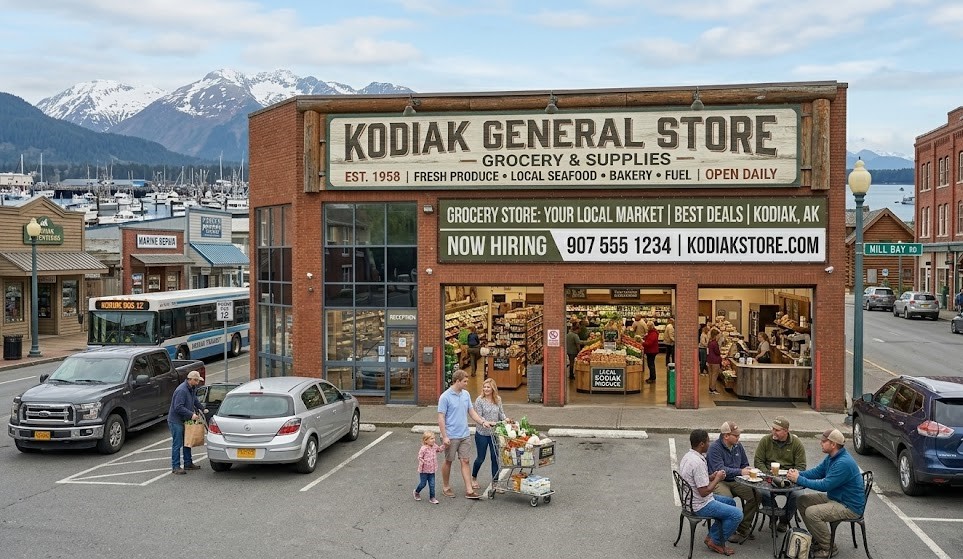
Kodiak is a picturesque island city located on Kodiak Island in the Gulf of Alaska, renowned globally as the 'Emerald Isle' due to its lush, green landscapes. Rich in Alutiiq heritage and Russian-American history, the community blends a deeply rooted indigenous culture with a rugged, maritime character. People move to Kodiak for its unmatched access to world-class sportfishing, pristine wilderness, and a tight-knit small-town community atmosphere that values self-reliance and outdoor exploration.
Alaska, the largest U.S. state by land area, is characterized by its vast, rugged wilderness and diverse climates, ranging from temperate maritime in the southeast to arctic in the north. Its economy is heavily reliant on natural resources, with major industries including oil and gas, mining, fishing, and a growing tourism sector. Living in Alaska is generally more expensive than the national average, particularly for housing, groceries, and utilities, though there is no state income or sales tax, and residents may receive an annual Permanent Fund Dividend. The lifestyle often emphasizes a strong connection to nature and outdoor activities, with a sense of community and resilience, though residents must adapt to long, dark winters in many areas.
How this 56/100 was calculated five components, with every reading behind them
| Component | Readings used | Points | Weight | Contributes |
|---|---|---|---|---|
| Safety | Safety score: 82 / 100 | 82.0 | 30% | 24.6 |
| Affordability | Cost of living index (100 = national baseline): 132.0 | 3.8 | 25% | 0.9 |
| Economy & jobs | Median household income: $90,292 Income needed to live here: $62,000 Unemployment rate: 2.5% | 87.9 | 20% | 17.6 |
| Growth | Population growth rate: no usable reading Job growth rate: 1.1% | 42.0 | 15% | 6.3 |
| Business climate assessment | Business climate assessment: 65 / 100 | 65.0 | 10% | 6.5 |
| Overall score | 55.9 | |||
Provenance.
These figures were produced by the research pass recorded as
Tier 2 (reasoned) (q=60, partial — below threshold), last refreshed
11 October 2026.
They are researched estimates drawn from public sources, not a licensed data feed.
Each component is scored against fixed published endpoints, so this number is comparable with any other city and does not move as the dataset grows. Scoring framework 2026.10 — full methodology, weights and accepted ranges.

Featured Events
Happening in Kodiak
Featured and sponsored events in Kodiak.
Local Directory
Businesses in Kodiak
Featured local businesses in Kodiak.

Performance
Quality Scores
Expenses
Cost of Living
The cost of living in Kodiak is significantly higher than the U.S. national average, driven largely by its island geography which requires most goods, fuel, and construction materials to be shipped or flown in. Freight and transportation overhead translate into elevated prices for everyday groceries, energy, and vehicle maintenance. While local wages and salaries often incorporate northern living adjustments, residents still feel the pinch of these logistical constraints on standard household budgets.
Income
Salary Insights
Kodiak's economy is heavily anchored by commercial fishing, seafood processing, and federal defense operations, prominently featuring a major United States Coast Guard base. Healthcare, retail trade, and local government administration also serve as vital employment pillars supporting the island's population. While traditional corporate remote work is constrained by satellite or local broadband infrastructure limits, public sector and healthcare positions provide steady, reliable career opportunities.
The average salary in Kodiak is $71,000 per year. You would need approximately $62,000 to live comfortably.
Employment
Top Industries
Weather
Climate
Mobility
Transport
Most residents rely on personal vehicles to navigate the local road system, which covers key parts of the island but leaves much of the rugged interior accessible only by boat or bush plane. Public transit options are limited, making a reliable car essential for daily errands and commuting. Kodiak Benny Benson State Airport connects the island to Anchorage via regular commercial flights, serving as the primary commercial link to the mainland.

At a Glance
Pros & Cons
Advantages
Drawbacks
Head to Head
Compare Kodiak
Community Q&A
Questions about Kodiak
What people ask about living in and moving to Kodiak, Alaska.
FAQ
Frequently Asked Questions
Businesses for Sale in Kodiak
Explore active acquisition & franchise opportunities .
Free Quotes
Get quotes from local pros in Kodiak
Tell us what you need and we’ll pass it to companies that serve your area. It’s free, and there’s no obligation.

Compare Kodiak with any city
See how it stacks up on cost, income, and quality of life.
Start Comparing