



City Profile
Tucson, Arizona
USA · Comprehensive city data and intelligence
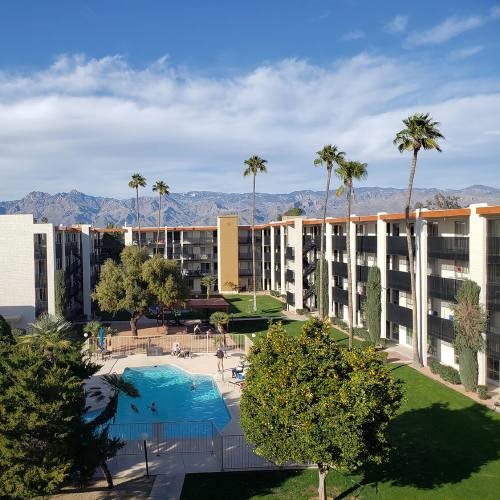
Tucson is a vibrant desert metropolis nestled in the Sonoran Desert of southern Arizona, surrounded by towering mountain ranges including the Santa Catalina and Rincon mountains. Steeped in a rich multicultural history influenced by its deep Native American roots, Mexican heritage, and Spanish colonial past, the city is widely celebrated as a UNESCO City of Gastronomy. Residents and newcomers are drawn to Tucson for its unique blend of breathtaking natural beauty, a relaxed southwestern lifestyle, and a thriving arts and cultural scene anchored by the University of Arizona.
Arizona offers a diverse landscape, from low-elevation deserts to mountainous regions, and is known for its abundant sunshine, averaging around 300 sunny days per year. The state's economy is moderately diverse, with major industries including manufacturing (especially aerospace, defense, transportation, and electronics), healthcare, real estate, tourism, technology, bioscience, agriculture (cotton, citrus), and mining (copper). While the cost of living in Arizona is generally higher than the national average, particularly for housing, the state's mild winters and opportunities for outdoor activities contribute to an appealing lifestyle for many.
How this 56/100 was calculated five components, with every reading behind them
| Component | Readings used | Points | Weight | Contributes |
|---|---|---|---|---|
| Safety | Safety score: 62 / 100 | 62.0 | 30% | 18.6 |
| Affordability | Cost of living index (100 = national baseline): 97.0 | 47.5 | 25% | 11.9 |
| Economy & jobs | Median household income: $57,073 Income needed to live here: $52,000 Unemployment rate: 4.5% | 53.0 | 20% | 10.6 |
| Growth | Population growth rate: 1.1% Job growth rate: 1.8% | 54.3 | 15% | 8.1 |
| Business climate assessment | Business climate assessment: 70 / 100 | 70.0 | 10% | 7.0 |
| Overall score | 56.2 | |||
Provenance.
These figures were produced by the research pass recorded as
Gemini (Tier 1 (fast), q=72), last refreshed
11 October 2026.
They are researched estimates drawn from public sources, not a licensed data feed.
Each component is scored against fixed published endpoints, so this number is comparable with any other city and does not move as the dataset grows. Scoring framework 2026.10 — full methodology, weights and accepted ranges.

Featured Events
Happening in Tucson
Featured and sponsored events in Tucson.
Local Directory
Businesses in Tucson
Featured local businesses in Tucson.

Performance
Quality Scores
Expenses
Cost of Living
The cost of living in Tucson runs slightly below the national average, making it an attractive destination for retirees, families, and professionals seeking affordability without sacrificing urban amenities. Housing costs, while having experienced appreciation in recent years, remain significantly more reasonable compared to booming metropolitan areas like Phoenix or major coastal cities. Everyday expenses such as utilities—particularly cooling costs during the intense summer months—and grocery prices hover close to national benchmarks, balanced out by lower-than-average transportation and healthcare costs.
Income
Salary Insights
Tucson's economy is anchored by major sectors including education, aerospace and defense, healthcare, optics, and tourism. The University of Arizona serves as the region's single largest employer and a major engine for innovation, spinning off numerous high-tech startups and research ventures. Additionally, major defense contractors like Raytheon maintain a massive footprint in the area, providing robust engineering and manufacturing job opportunities. While remote work has grown in popularity among tech and professional services workers relocating from higher-cost states, local wages generally trail national averages.
The average salary in Tucson is $63,000 per year. You would need approximately $52,000 to live comfortably.
Employment
Top Industries
Weather
Climate
Mobility
Transport
Tucson relies heavily on a grid-based road network, making car ownership standard for most residents, though traffic congestion is relatively mild compared to larger metros. Public transit options include the Sun Tran bus system and the Sun Link modern streetcar, which connects downtown, the Mercado District, and the University of Arizona campus. Walkability and bike friendliness vary widely, with downtown and university-adjacent neighborhoods offering excellent pedestrian infrastructure while outer suburbs remain car-dependent.

At a Glance
Pros & Cons
Advantages
Drawbacks
Head to Head
Compare Tucson
Community Q&A
Questions about Tucson
What people ask about living in and moving to Tucson, Arizona.
How does Tucson's cost of living compare to the national average?
Tucson's cost of living index is 97, slightly below the national average of 100. Housing, groceries, and utilities are generally 3% cheaper than the U.S. average, while transportation costs are comparable. This means your $63,000 salary will go a bit further in Tucson, especially if you budget carefully for rent and local taxes. Check local cost calculators for more detailed breakdowns.
What is the average rent for a one-bedroom apartment in Tucson?
The average rent for a one-bedroom apartment in Tucson is about $1,595 per month. Prices can vary by neighborhood, with some areas offering slightly lower rates and others higher. Look at online listings and local rental boards to find the best fit for your budget. Keep in mind that utilities are often not included, so factor that into your monthly expenses.
Are there many job opportunities in Tucson for someone with a tech background?
Tucson has a growing tech scene with a mix of startups, research labs, and larger companies. The city hosts several tech incubators and innovation hubs that support software development, data analytics, and cybersecurity roles. Networking events, meetups, and local industry conferences are common, offering good opportunities to connect with hiring managers. Check the city’s economic development portal and local job b...
What are the public school options like for my kids in Tucson?
Tucson’s public school system offers a range of elementary, middle, and high schools with varying performance metrics. Some schools are recognized for strong STEM programs, while others focus on arts and athletics. Enrollment is typically based on zoning, so you can use the school district’s online boundary tool to see which schools serve your prospective address. Parent reviews and school rating sites can also provi...
How safe is Tucson overall, and what areas should I avoid?
Tucson has a safety score of 62 out of 100, indicating moderate crime levels relative to other U.S. cities. Crime tends to be concentrated in specific neighborhoods, often near commercial centers or high-traffic corridors. Areas with lower crime rates are typically residential districts with higher median incomes. Use the city’s public safety portal or local police reports to review crime statistics by zip code and c...
What public transportation options are available for commuting in Tucson?
Tucson’s public transit system includes a network of buses that cover most of the city and surrounding suburbs. The system operates on a regular schedule, with routes connecting downtown, residential areas, and key employment hubs. For longer commutes, regional rail services link Tucson to nearby cities, though schedules are less frequent. Biking lanes and pedestrian-friendly streets are common in many neighborhoods,...
What healthcare facilities are available for residents in Tucson?
Tucson hosts a variety of hospitals, specialty clinics, and outpatient centers that provide comprehensive medical services. These facilities offer primary care, emergency services, and specialized treatments such as cardiology, oncology, and orthopedics. Most hospitals have multiple departments and are equipped with modern technology. You can find provider directories and patient reviews on the city’s health departme...
What outdoor activities can I enjoy in Tucson?
Tucson offers abundant outdoor recreation, including desert trails, mountain hikes, and river walks. The surrounding Sonoran Desert provides scenic routes with unique flora and fauna, while nearby mountain ranges offer more rugged terrain. Parks and nature preserves host guided tours, birdwatching, and seasonal events. Check the city’s parks and recreation portal for trail maps, seasonal closures, and activity schedu...
What should I know about moving into Tucson during the summer?
Summer temperatures in Tucson often exceed 100°F, so plan your move for early morning or late evening to avoid the heat. Use insulated moving containers to protect belongings from sun damage, and schedule movers during cooler hours if possible. Check local utility providers for timely service activation, and consider renting a temperature-controlled storage unit if you need to store items during the peak heat months....
What is the overall vibe of Tucson for young professionals?
Tucson blends a relaxed desert lifestyle with a growing urban culture. Young professionals often appreciate the affordable housing, outdoor recreation, and emerging tech scene. The city hosts a variety of cultural festivals, food markets, and live music venues, creating a vibrant social scene. Networking events and community groups are common, fostering connections among residents. The overall vibe is laid-back yet d...
Some answers here were drafted as a starting point and may be out of date. Live in Tucson? Add your own.
FAQ
Frequently Asked Questions
Businesses for Sale in Tucson
Explore active acquisition & franchise opportunities .
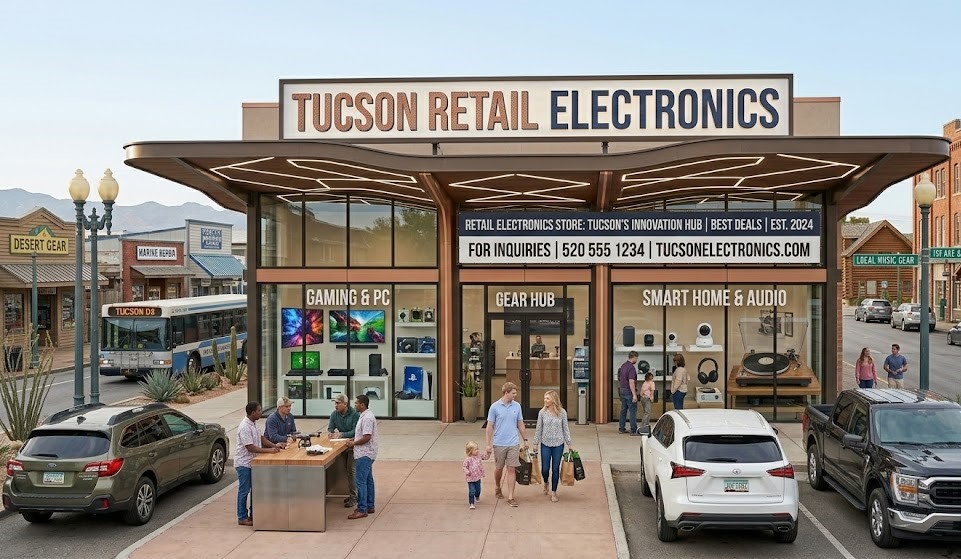
Senior Care in Tucson
389 assisted living, nursing & memory care facilities in Tucson.
 Senior Care
Aspen Care Home
Tucson, AZ
 Senior Care
Catalina Post-Acute & Rehabilitation
Tucson, AZ
 Senior Care
Aspen Care Home
Tucson, AZ
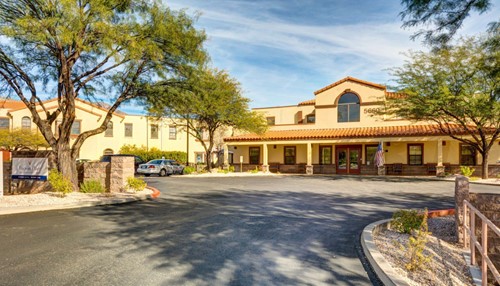 Assisted Living
Tucson Place at Ventana Canyon
Tucson, AZ
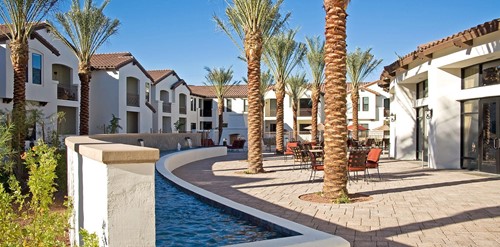 Senior Care
Villa Hermosa
Tucson, AZ
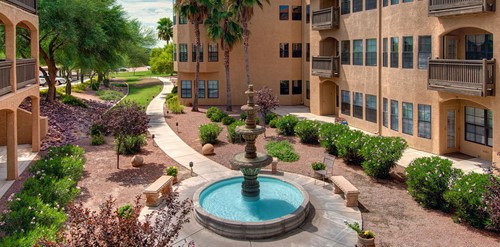 Senior Care
Amber Lights
Tucson, AZ
 Assisted Living
Copper Canyon Memory Care
Tucson, AZ
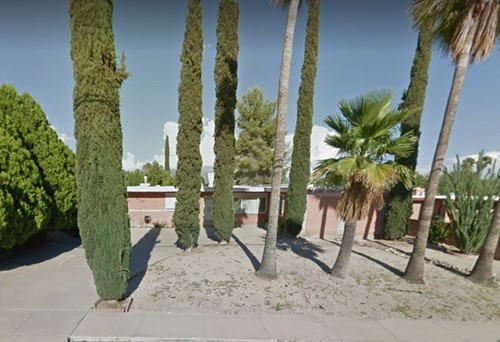 Assisted Living
Omega Assisted Living
Tucson, AZ
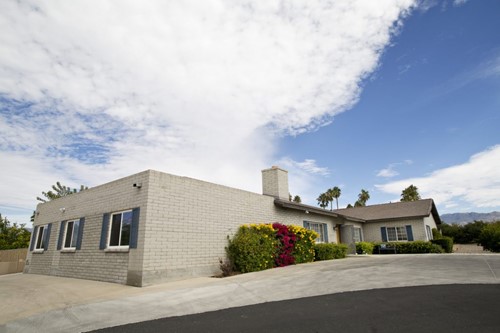 Assisted Living
Old Spanish Trail
Tucson, AZ
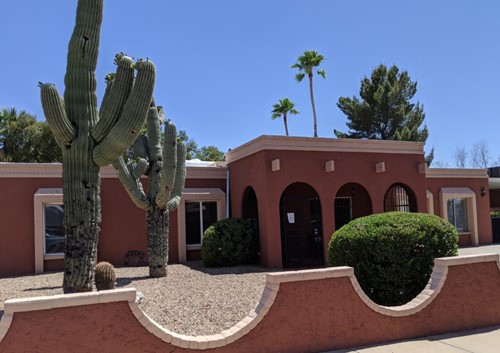 Assisted Living
Rolling Hills
Tucson, AZ
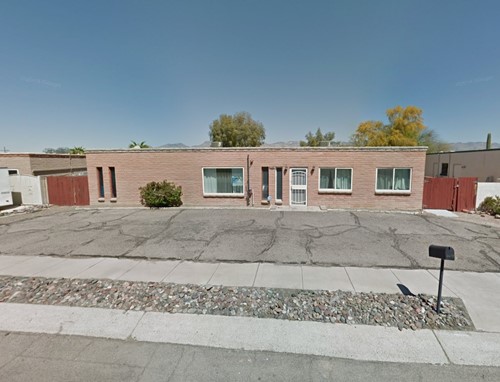 Assisted Living
Las Palmas Assisted Living II
Tucson, AZ
 Senior Care
Fellowship Square at Tucson
Tucson, AZ
City Guide
Explore Tucson
Free Quotes
Get quotes from local pros in Tucson
Tell us what you need and we’ll pass it to companies that serve your area. It’s free, and there’s no obligation.

Compare Tucson with any city
See how it stacks up on cost, income, and quality of life.
Start Comparing