



City Profile
Yuma, Arizona
USA · Comprehensive city data and intelligence
Yuma is a historic desert city situated in the southwestern corner of Arizona, framed by the lower Colorado River and sharing a dynamic border with California and Mexico. Founded initially as a crucial river crossing and military outpost during the gold rush era, the city has evolved into a vibrant cultural hub renowned for its rich heritage and unique geographic positioning. Today, Yuma is best known for its legendary sunshine, earning recognition as one of the sunniest places on Earth, which attracts thousands of seasonal residents, or 'snowbirds,' seeking refuge from harsh winters.
The community blends a distinct bicultural identity with a welcoming, small-town charm that draws retirees, military families, and agricultural professionals alike. Historic downtown Yuma features preserved 19th-century architecture, local boutiques, and cultural attractions like the Yuma Territorial Prison State Historic Park. People continually choose to move to Yuma for its affordable cost of living, friendly neighborhoods, and vibrant outdoor lifestyle set against sweeping desert vistas and river recreation areas.
Arizona offers a diverse landscape, from low-elevation deserts to mountainous regions, and is known for its abundant sunshine, averaging around 300 sunny days per year. The state's economy is moderately diverse, with major industries including manufacturing (especially aerospace, defense, transportation, and electronics), healthcare, real estate, tourism, technology, bioscience, agriculture (cotton, citrus), and mining (copper). While the cost of living in Arizona is generally higher than the national average, particularly for housing, the state's mild winters and opportunities for outdoor activities contribute to an appealing lifestyle for many.
How this 64/100 was calculated five components, with every reading behind them
| Component | Readings used | Points | Weight | Contributes |
|---|---|---|---|---|
| Safety | Safety score: 70 / 100 | 70.0 | 30% | 21.0 |
| Affordability | Cost of living index (100 = national baseline): 93.0 | 52.5 | 25% | 13.1 |
| Economy & jobs | Median household income: $65,482 Income needed to live here: $48,000 Unemployment rate: 4.2% | 71.5 | 20% | 14.3 |
| Growth | Population growth rate: 1.4% Job growth rate: 1.8% | 58.0 | 15% | 8.7 |
| Business climate assessment | Business climate assessment: 70 / 100 | 70.0 | 10% | 7.0 |
| Overall score | 64.1 | |||
Provenance.
These figures were produced by the research pass recorded as
Gemini (Tier 3 (deep think), q=95 ✓ perfect), last refreshed
11 October 2026.
They are researched estimates drawn from public sources, not a licensed data feed.
Each component is scored against fixed published endpoints, so this number is comparable with any other city and does not move as the dataset grows. Scoring framework 2026.10 — full methodology, weights and accepted ranges.

Featured Events
Happening in Yuma
Featured and sponsored events in Yuma.
Local Directory
Businesses in Yuma
Featured local businesses in Yuma.

Performance
Quality Scores
Expenses
Cost of Living
The cost of living in Yuma remains notably lower than the national average, making it an attractive destination for budget-conscious families, retirees, and remote workers. Everyday expenses such as groceries, healthcare, and transportation consistently track below typical U.S. benchmarks, allowing residents to stretch their household budgets further. Housing and utility costs, while experiencing upward pressure from regional growth and tourism demand, remain well below major metropolitan centers like Phoenix or San Diego.
Seasonal fluctuations heavily influence local economics, with winter months bringing an influx of visitors that temporarily increases demand for dining, services, and short-term rentals. However, year-round residents benefit from modest local taxation, affordable municipal services, and reasonable property values compared to coastal California or central Arizona. Energy costs during the peak summer air-conditioning season can introduce higher utility bills, though this is balanced by savings during mild winter months.
Income
Salary Insights
Yuma's economy is anchored by three primary pillars: agriculture, military installations, and tourism, complemented by a growing base in logistics and light manufacturing. Often celebrated as the 'Winter Lettuce Capital of the World,' Yuma County's agricultural sector generates billions annually and supplies a vast majority of the nation's winter leafy vegetables. Additionally, major defense facilities like the Marine Corps Air Station Yuma and the U.S. Army Yuma Proving Ground serve as massive economic drivers, providing thousands of stable civil service and military contractor jobs.
The local job market features strong employment shares in healthcare, education, retail administration, and public services. While seasonal agricultural cycles create distinct peaks and valleys in employment statistics, ongoing economic diversification initiatives through the Greater Yuma Economic Development Corporation are fostering high-tech manufacturing and cross-border trade opportunities. Remote workers are also increasingly discovering Yuma for its high-speed connectivity, affordable housing, and relaxed desert lifestyle.
The average salary in Yuma is $55,200 per year. You would need approximately $48,000 to live comfortably.
Employment
Top Industries
Weather
Climate
Mobility
Transport
Getting around Yuma is predominantly centered around private vehicle travel, with a well-maintained road network and minimal traffic congestion compared to larger metropolitan areas. The city's layout features wide thoroughfares and accessible parking, making everyday commuting and running errands straightforward. Public transit options, including local bus services, provide basic coverage, though most residents rely on cars for daily travel.
For regional and international travel, Yuma is conveniently situated near Interstate 8 and state routes, offering direct drives to San Diego, Phoenix, and the border ports of entry. Cycling is popular for recreation during cooler months, supported by expanding bike lane infrastructure across key residential corridors.

At a Glance
Pros & Cons
Advantages
Drawbacks
Community Q&A
Questions about Yuma
What people ask about living in and moving to Yuma, Arizona.
FAQ
Frequently Asked Questions
Senior Care in Yuma
36 assisted living, nursing & memory care facilities in Yuma.
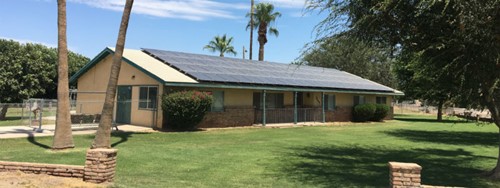 Assisted Living
Paradise Oasis
Yuma, AZ
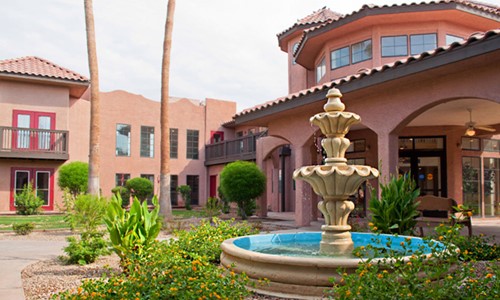 Senior Care
Emerald Springs Senior Living
Yuma, AZ
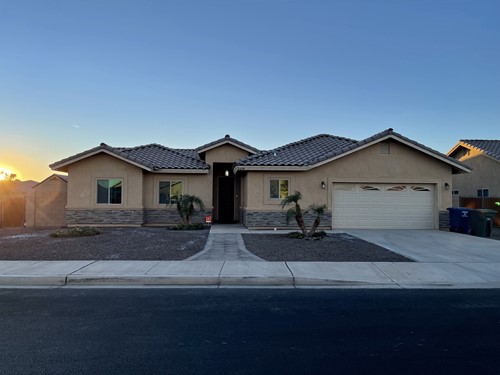 Assisted Living
Dignity Care Homes
Yuma, AZ
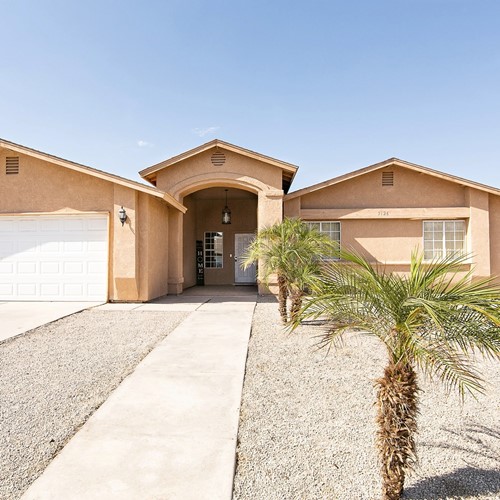 Assisted Living
Maxi's Loving Place
Yuma, AZ
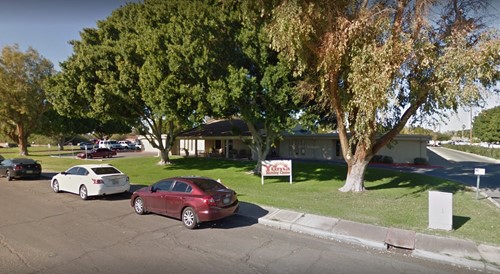 Assisted Living
Yuma Nursing Center
Yuma, AZ
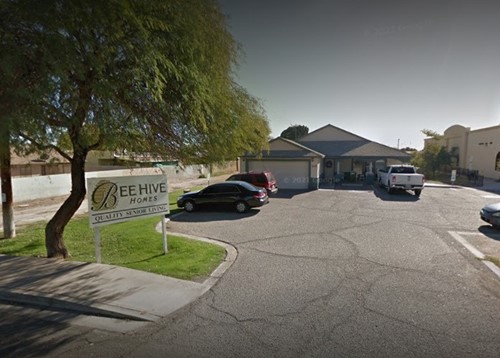 Assisted Living
Bee Hive Homes of Yuma II
Yuma, AZ
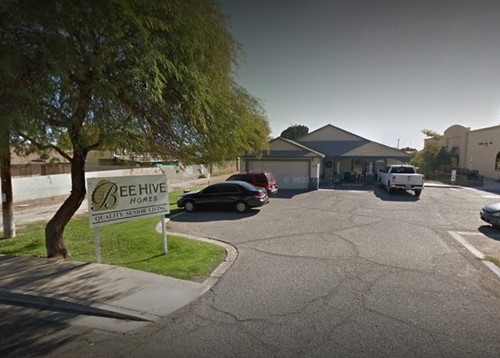 Assisted Living
BeeHive Homes of Yuma
Yuma, AZ
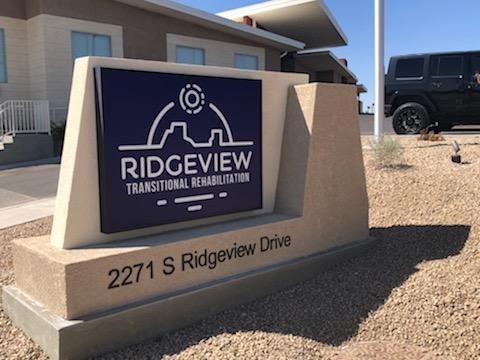 Assisted Living
Ridgeview Transitional Rehabilitation
Yuma, AZ
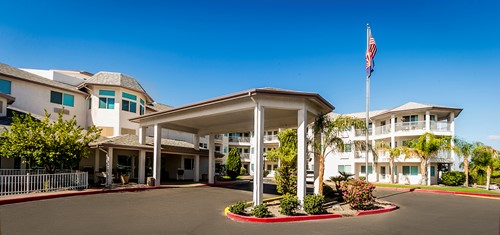 Senior Care
Desert Rose
Yuma, AZ
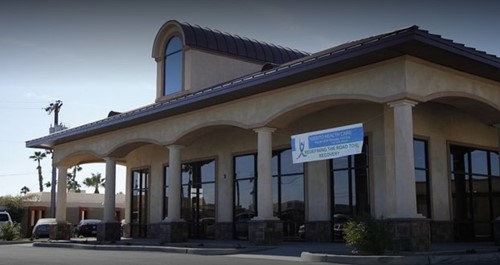 Assisted Living
Haven Of Sandpointe
Yuma, AZ
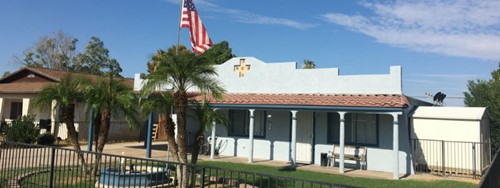 Assisted Living
Paradise Cove
Yuma, AZ
 Senior Care
Yuma Senior Living
Yuma, AZ
City Guide
Explore Yuma
Free Quotes
Get quotes from local pros in Yuma
Tell us what you need and we’ll pass it to companies that serve your area. It’s free, and there’s no obligation.

Compare Yuma with any city
See how it stacks up on cost, income, and quality of life.
Start Comparing