



City Profile
Hot Springs, Arkansas
USA · Comprehensive city data and intelligence
Hot Springs, Arkansas is a historic and culturally rich destination nestled in the Ouachita Mountains, renowned worldwide for its natural thermal waters and the federal protection of Hot Springs National Park. Originally famous as a premier 19th-century and Gilded Age health resort, the city retains its distinct vintage character, featuring grand bathhouses along Bathhouse Row and unique Spanish-Revival and Classical architecture. Today, it serves as a vibrant regional hub that blends outdoor adventure with a laid-back Southern lifestyle, attracting retirees, remote workers, and families looking for scenic beauty and a slower pace of life.
Arkansas, known as "The Natural State," offers diverse geography from the Ozark and Ouachita Mountains to the Mississippi River Delta, fostering a relaxed, nature-oriented lifestyle. The economy, historically rooted in agriculture with rice and poultry as leading products, has diversified to include significant contributions from manufacturing (food products, chemicals, wood and paper products, aerospace parts) and a growing service sector, largely influenced by Walmart's presence. Living in Arkansas is generally affordable, with a cost of living consistently below the national average, particularly for housing. The state experiences a humid subtropical climate with mild winters and hot, humid summers, and while property taxes are low, sales taxes can be high.
How this 57/100 was calculated five components, with every reading behind them
| Component | Readings used | Points | Weight | Contributes |
|---|---|---|---|---|
| Safety | Safety score: 65 / 100 | 65.0 | 30% | 19.5 |
| Affordability | Cost of living index (100 = national baseline): 92.0 | 53.8 | 25% | 13.4 |
| Economy & jobs | Median household income: $47,760 Income needed to live here: $42,000 Unemployment rate: 4.4% | 56.1 | 20% | 11.2 |
| Growth | Population growth rate: 0.18% Job growth rate: 1.5% | 39.8 | 15% | 6.0 |
| Business climate assessment | Business climate assessment: 67 / 100 | 67.0 | 10% | 6.7 |
| Overall score | 56.8 | |||
Provenance.
These figures were produced by the research pass recorded as
Gemini (ungrounded) (q=55, partial — below threshold), last refreshed
11 October 2026.
They are researched estimates drawn from public sources, not a licensed data feed.
Each component is scored against fixed published endpoints, so this number is comparable with any other city and does not move as the dataset grows. Scoring framework 2026.10 — full methodology, weights and accepted ranges.

Featured Events
Happening in Hot Springs
Featured and sponsored events in Hot Springs.
Local Directory
Businesses in Hot Springs
Featured local businesses in Hot Springs.

Performance
Quality Scores
Expenses
Cost of Living
The cost of living in Hot Springs is notably favorable, tracking roughly 7% to 8% below the national average according to recent market tracking and Census data. Housing costs represent the primary driver of these savings, with average rents and real estate values sitting significantly lower than typical metro areas across the United States. Everyday expenses such as groceries, utilities, and transportation also lean modest, allowing residents to enjoy a comfortable lifestyle without the intense financial pressures found in larger metropolitan regions.
Income
Salary Insights
Hot Springs's economy relies heavily on a dynamic mix of tourism, hospitality, healthcare, and retail trade, anchored by its millions of annual visitors and regional medical centers. Major employers in the area include local healthcare systems, school districts, and hospitality venues tied to the national park and Oaklawn Racing Casino Resort. While traditional industries dominate, the area has seen a steady influx of remote workers and small business owners drawn by lower overhead costs and natural amenities.
The average salary in Hot Springs is $48,000 per year. You would need approximately $42,000 to live comfortably.
Employment
Top Industries
Weather
Climate
Mobility
Transport
Getting around Hot Springs relies predominantly on personal vehicles, as the city features a car-dependent layout with manageable traffic patterns outside of peak tourist seasons. Average commute times are remarkably short, hovering well below the national average at approximately 21 minutes. Public transit options are limited, though local services provide basic coverage for key commercial corridors.

At a Glance
Pros & Cons
Advantages
Drawbacks
Head to Head
Compare Hot Springs
Community Q&A
Questions about Hot Springs
What people ask about living in and moving to Hot Springs, Arkansas.
FAQ
Frequently Asked Questions
Senior Care in Hot Springs
20 assisted living, nursing & memory care facilities in Hot Springs.
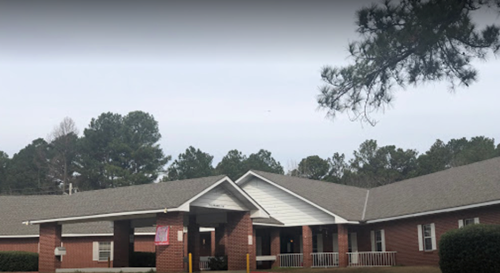 Assisted Living
Lakewood Therapy And Living Center
Hot Springs, AR
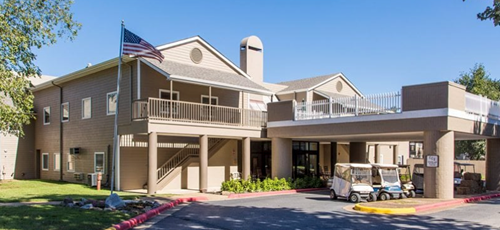 Senior Care
Country Club Village
Hot Springs, AR
 Assisted Living
Village Springs Health And Rehabilitation
Hot Springs, AR
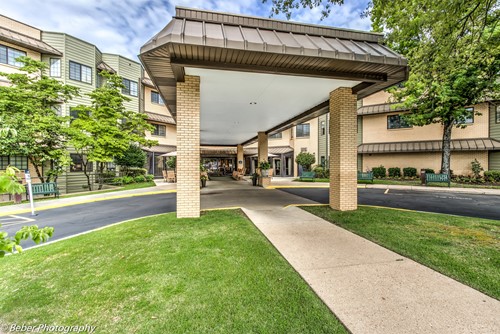 Senior Care
West Shores
Hot Springs, AR
The Pines Nursing And Rehabilitation Center
Hot Springs, AR
Kindred Hospice I
Hot Springs, AR
The Blossoms At Hot Springs Rehab And Nursing Cent
Hot Springs, AR
Kindred At Home 1
Hot Springs, AR
Trinity Central Home Health
Hot Springs, AR
Care Iv Home Health
Hot Springs, AR
Quapaw Care And Rehabilitation Center
Hot Springs, AR
Elite Hospice
Hot Springs, AR
City Guide
Explore Hot Springs
Free Quotes
Get quotes from local pros in Hot Springs
Tell us what you need and we’ll pass it to companies that serve your area. It’s free, and there’s no obligation.

Compare Hot Springs with any city
See how it stacks up on cost, income, and quality of life.
Start Comparing