



City Profile
San Francisco, California
USA · Comprehensive city data and intelligence
San Francisco, California, is a globally renowned city occupying a picturesque hilly peninsula between the Pacific Ocean and San Francisco Bay. Founded during the Spanish mission era and rapidly expanded during the 1849 Gold Rush, the city has evolved into a vibrant hub of culture, progressive politics, and technological innovation. Characterized by its iconic Victorian architecture, rolling fog, cable cars, and dramatic waterfront views, San Francisco attracts diverse professionals, artists, and entrepreneurs from across the globe who are drawn to its dynamic metropolitan energy and scenic beauty.
California is a diverse and populous state known for its significant economic output, ranking as the fourth largest economy globally if it were an independent nation. Its economy is driven by major industries such as technology (especially in Silicon Valley), real estate, finance, professional services, manufacturing, agriculture, and healthcare. Living in California generally entails a high cost of living, particularly for housing, which is significantly above the national average. The state boasts a varied climate, ranging from a Mediterranean-like environment with warm, dry summers and mild, wet winters in coastal and central areas, to hotter, drier inland summers and colder, snowier conditions at higher altitudes. The lifestyle often emphasizes outdoor activities, health and wellness, and a diverse cultural experience, though it can also involve considerable traffic in major urban centers.
How this 49/100 was calculated five components, with every reading behind them
| Component | Readings used | Points | Weight | Contributes |
|---|---|---|---|---|
| Safety | Safety score: 52 / 100 | 52.0 | 30% | 15.6 |
| Affordability | Cost of living index (100 = national baseline): 168.0 | 0.0 | 25% | 0.0 |
| Economy & jobs | Median household income: $140,970 Income needed to live here: $85,000 Unemployment rate: 3.9% | 88.1 | 20% | 17.6 |
| Growth | Population growth rate: no usable reading Job growth rate: 1.5% | 50.0 | 15% | 7.5 |
| Business climate assessment | Business climate assessment: 82 / 100 | 82.0 | 10% | 8.2 |
| Overall score | 48.9 | |||
Provenance.
These figures were produced by the research pass recorded as
Gemini (Tier 1 (fast), q=70), last refreshed
11 October 2026.
They are researched estimates drawn from public sources, not a licensed data feed.
Each component is scored against fixed published endpoints, so this number is comparable with any other city and does not move as the dataset grows. Scoring framework 2026.10 — full methodology, weights and accepted ranges.

Featured Events
Happening in San Francisco
Featured and sponsored events in San Francisco.
Local Directory
Businesses in San Francisco
Featured local businesses in San Francisco.

Performance
Quality Scores
Expenses
Cost of Living
Living in San Francisco entails a significantly higher cost of living compared to the national average, driven primarily by extreme housing demand and high costs for goods, services, and local taxation. While salaries and median household incomes rank among the highest in the nation, everyday expenditures such as dining out, groceries, and utilities consistently outpace standard benchmarks. High demand for urban space in a geographically constrained peninsula creates a uniquely expensive market environment.
Income
Salary Insights
San Francisco anchors one of the world's most powerful economic engines, historically driven by technology, finance, professional services, and biotechnology. Major employers span tech giants, venture capital firms, world-class financial institutions, and leading healthcare systems like UCSF, fostering a robust entrepreneurial ecosystem. While the post-pandemic landscape has seen shifts toward hybrid work structures and adjustments in commercial real estate, the local job market continues to offer high earning potential for specialized occupations.
The average salary in San Francisco is $100,200 per year. You would need approximately $85,000 to live comfortably.
Employment
Top Industries
Weather
Climate
Mobility
Transport
Getting around San Francisco is facilitated by an extensive, multi-modal public transit network managed by Muni, alongside regional links like BART, ferries, and historic cable cars. The city's compact 49-square-mile grid and strong pedestrian infrastructure make it one of the most walkable urban centers in North America. While car ownership is manageable, many residents rely on public transit, cycling, and rideshare options to navigate the steep hills and dense urban landscape.

At a Glance
Pros & Cons
Advantages
Drawbacks
Head to Head
Compare San Francisco
Community Q&A
Questions about San Francisco
What people ask about living in and moving to San Francisco, California.
How does the cost of living in San Francisco compare to the national average?
The cost of living index in San Francisco is 168, meaning expenses are 68% higher than the national average. Housing, dining, and transportation are the biggest contributors. With an average salary of $100,200 per year, you can budget roughly 40% of income for rent, which is about $4,475 per month, and the rest for utilities, groceries, and leisure. It’s wise to create a detailed budget and factor in higher taxes and...
What is the average rent for a one‑bedroom apartment in San Francisco?
The average rent for a one‑bedroom apartment in San Francisco is about $4,475 per month. Prices vary by neighborhood; areas closer to the downtown core and waterfront tend to be at the higher end, while districts farther from the city center may offer slightly lower rates. Look for listings on local real‑estate sites or consult a broker familiar with the city’s rental market.
What kinds of jobs are most common in San Francisco?
San Francisco’s economy is heavily driven by technology, biotechnology, and professional services. Many positions involve software development, data analysis, product management, and engineering. Additionally, the city hosts a robust startup scene and consulting firms. Job seekers should explore online job boards, attend local networking events, and consider companies that focus on innovation and digital transformati...
How do public schools in San Francisco rank compared to other cities?
Public schools in San Francisco offer a mix of strong academic programs and diverse student populations. Some schools receive high ratings for STEM and arts, while others excel in community engagement. Parents can review performance metrics, graduation rates, and extracurricular offerings on the city’s education department website or through independent school rating portals.
Is San Francisco a safe city for families?
The city’s safety score is 52.0 out of 100, indicating moderate safety concerns. Crime rates vary by neighborhood, with some areas experiencing higher incidents of property crime. Families should research specific districts, consult local crime maps, and visit neighborhoods at different times to gauge safety. Community watch programs and neighborhood associations can also provide insight.
What healthcare facilities are available for residents in San Francisco?
The city hosts a range of hospitals, specialty clinics, and urgent‑care centers that serve both residents and visitors. Facilities cover general medicine, emergency services, and specialized care such as oncology and cardiology. Most hospitals are part of larger health networks; insurance coverage can be checked against these networks. For a comprehensive list, visit the city’s health department portal.
What public transportation options are available in San Francisco?
San Francisco offers a comprehensive public transit system that includes buses, light rail, and ferries. Routes cover most of the city and connect to neighboring counties. The system operates on a unified fare structure, and riders can use mobile apps to plan trips and purchase passes. For detailed schedules and route maps, consult the city’s transit authority website.
What are some must‑visit attractions in San Francisco?
San Francisco offers iconic landmarks, scenic parks, and vibrant cultural districts. Popular attractions include the waterfront promenade, historic bridges, and scenic viewpoints overlooking the bay. The city also hosts museums, theaters, and a variety of festivals throughout the year. Exploring neighborhoods with distinct architectural styles and culinary scenes provides a well‑rounded experience.
What should I know about moving into San Francisco?
When moving to San Francisco, start by securing housing, as the rental market is competitive. Arrange for utilities and internet early, and consider the city’s climate for packing. Register your vehicle and obtain a driver’s license within 30 days of residency. Familiarize yourself with local ordinances, such as recycling rules and building codes, by reviewing the city’s official municipal website.
What is the overall vibe of living in San Francisco?
San Francisco is known for its progressive culture, diverse population, and innovative spirit. The city blends historic charm with cutting‑edge technology, offering a mix of urban amenities and natural beauty. Residents enjoy a vibrant food scene, outdoor recreation, and a strong sense of community activism. The pace is fast, and the skyline is iconic, creating a dynamic environment for both professionals and familie...
Some answers here were drafted as a starting point and may be out of date. Live in San Francisco? Add your own.
FAQ
Frequently Asked Questions
Related
Insights about San Francisco
Businesses for Sale in San Francisco
Explore active acquisition & franchise opportunities .
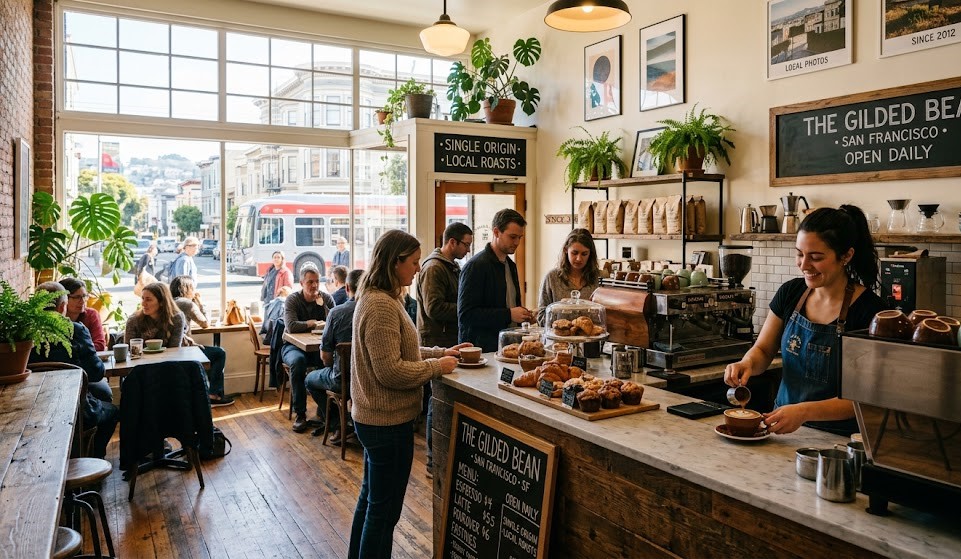
Senior Care in San Francisco
14 assisted living, nursing & memory care facilities in San Francisco.
 Senior Care
Curry Senior Center
San Francisco, CA
 Senior Care
AlmaVia of San Francisco
San Francisco, CA
 Senior Care
Frank Residences
San Francisco, CA
 Senior Care
Sagebrook Senior Living at San Francisco
San Francisco, CA
 Senior Care
Trusted Living Care
San Francisco, CA
 Senior Care
Self Help For the Elderly
San Francisco, CA
 Senior Care
Buena Vista Manor House
San Francisco, CA
 Senior Care
Rhoda Goldman Plaza
San Francisco, CA
 Senior Care
Autumn Glow Alzheimer’s Care Home
San Francisco, CA
 Senior Care
The Village at Hayes Valley
San Francisco, CA
 Senior Care
San Francisco Campus for Jewish Living
San Francisco, CA
 Senior Care
Crossroads Home Health and Hospice
San Francisco, CA
City Guide
Explore San Francisco
Free Quotes
Get quotes from local pros in San Francisco
Tell us what you need and we’ll pass it to companies that serve your area. It’s free, and there’s no obligation.

Compare San Francisco with any city
See how it stacks up on cost, income, and quality of life.
Start Comparing