



City Profile
Port St. Lucie, Florida
USA · Comprehensive city data and intelligence
Port St. Lucie is situated along Florida's Treasure Coast and has evolved from a master-planned retirement community into one of the fastest-growing and most populous cities in the state. Known for its quiet neighborhoods, master-planned developments, and extensive green spaces, the city attracts families, professionals, and retirees alike looking for a suburban lifestyle within close proximity to the Atlantic Ocean. Its history is rooted in expansive ranch land development that transformed over decades into a thriving urban center characterized by planned communities, diverse commercial zones, and extensive parks.
Florida, known as the "Sunshine State," offers a diverse character with a laid-back beach culture and vibrant city life, attracting a mix of residents including many transplants. Its economy, the fourth largest in the U.S. as of 2024, is driven by major industries such as tourism, real estate, agriculture, aerospace and aviation, financial services, and healthcare and life sciences. Living in Florida generally entails a cost of living slightly higher than the national average, though it varies by city, with an average annual cost around $50,689 per person. The climate is characterized by hot, humid summers and mild winters, with abundant sunshine year-round, fostering an outdoor-oriented lifestyle. Florida also boasts a tax-friendly environment with no state income tax.
How this 70/100 was calculated five components, with every reading behind them
| Component | Readings used | Points | Weight | Contributes |
|---|---|---|---|---|
| Safety | Safety score: 82 / 100 | 82.0 | 30% | 24.6 |
| Affordability | Cost of living index (100 = national baseline): 98.0 | 46.3 | 25% | 11.6 |
| Economy & jobs | Median household income: $74,500 Income needed to live here: $58,000 Unemployment rate: 3.4% | 71.5 | 20% | 14.3 |
| Growth | Population growth rate: 2.4% Job growth rate: 2.8% | 80.5 | 15% | 12.1 |
| Business climate assessment | Business climate assessment: 71 / 100 | 71.0 | 10% | 7.1 |
| Overall score | 69.6 | |||
Provenance.
These figures were produced by the research pass recorded as
Tier 2 (reasoned) (q=54, partial — below threshold), last refreshed
15 October 2026.
They are researched estimates drawn from public sources, not a licensed data feed.
Each component is scored against fixed published endpoints, so this number is comparable with any other city and does not move as the dataset grows. Scoring framework 2026.10 — full methodology, weights and accepted ranges.

Featured Events
Happening in Port St. Lucie
Featured and sponsored events in Port St. Lucie.
Local Directory
Businesses in Port St. Lucie
Featured local businesses in Port St. Lucie.

Performance
Quality Scores
Expenses
Cost of Living
The cost of living in Port St. Lucie generally aligns slightly below the national average for major metropolitan regions, though housing costs have risen significantly over recent years due to massive population influx. While everyday expenses like groceries and utilities hover near or slightly above state norms, the primary driver of cost adjustments remains the competitive residential real estate market. Renters and prospective homebuyers encounter a market shaped by high demand for suburban single-family homes and modern multi-family complexes.
Income
Salary Insights
Port St. Lucie's economy is anchored by healthcare, retail trade, education, and construction sectors, driven by the rapid expansion of its residential base. Major healthcare providers like Cleveland Clinic Florida and HCA Florida Healthcare serve as primary regional employers, offering stable professional opportunities. Additionally, the city supports a growing remote work population and a budding entrepreneurial climate boosted by local economic development initiatives focused on attracting technology and light manufacturing businesses.
The average salary in Port St. Lucie is $64,500 per year. You would need approximately $58,000 to live comfortably.
Employment
Top Industries
Weather
Climate
Mobility
Transport
Transportation in Port St. Lucie is predominantly car-dependent, with a grid and parkway system designed to handle extensive suburban commuter traffic. While the city lacks a heavy rail transit system, local bus services and arterial highways like I-95 and Florida's Turnpike provide essential connectivity to West Palm Beach and Orlando. Walkability varies heavily by neighborhood, with master-planned communities like Tradition offering higher pedestrian-friendly zones compared to older residential tracts.

At a Glance
Pros & Cons
Advantages
Drawbacks
Head to Head
Compare Port St. Lucie
Community Q&A
Questions about Port St. Lucie
What people ask about living in and moving to Port St. Lucie, Florida.
How does the median home price in Port St. Lucie compare to the national average?
The median home price in Port St. Lucie is about $285,000, which is slightly above the national median. The city offers a range of single-family homes, townhomes, and condos across its residential neighborhoods. You can browse current listings on local real‑estate websites or contact a real‑estate agent who specializes in the area. Checking recent sales data on the county’s property appraiser site will give you an up...
Is the cost of living in Port St. Lucie higher or lower than other Florida cities?
Port St. Lucie’s cost of living is roughly 5% higher than the U.S. average, but generally lower than major Florida hubs like Miami and Orlando. Housing is a major contributor, with median prices and rents slightly above national averages. Everyday expenses such as groceries, utilities, and transportation are comparable to other mid‑size Florida cities. For a detailed breakdown, you can consult the city’s economic dev...
What are the biggest employment sectors in Port St. Lucie?
The economy is dominated by service (40%), retail (20%), and healthcare (15%) sectors. There are a number of hospitals, clinics, and outpatient centers that employ many residents. Service jobs include hospitality, food service, and tourism, while retail ranges from local shopping centers to chain stores. For specific openings, check the city’s job board or local business directories that list positions across these i...
How many public schools are there in Port St. Lucie for K‑12?
The public school system includes about five elementary schools, three middle schools, and two high schools. Each school offers a range of programs, from standard curricula to specialized academies. Enrollment data, school performance reports, and program details are available on the school district’s website, which also provides information on school boundaries and transportation options.
Is Port St. Lucie a safe place to live?
Crime rates in Port St. Lucie are roughly 10% lower than the national average, making it one of the safer communities in the region. Property and violent crime statistics are published by the local police department and can be accessed through their annual reports. Residents often cite the low crime rates, community policing efforts, and neighborhood watch programs as key safety factors.
What public transportation options are available in Port St. Lucie?
The city offers a network of bus routes that connect residential areas with commercial centers, schools, and medical facilities. Several dedicated bike lanes traverse the main thoroughfares, encouraging cycling for short trips. While there is no commuter rail, nearby cities have regional train services that can be accessed via a short drive. For schedules and fare information, consult the city transit authority’s web...
How many hospitals serve the Port St. Lucie area?
Three hospitals provide inpatient and outpatient care for the community. They offer a range of services from emergency medicine to specialty clinics. Each facility has affiliated clinics and urgent care centers throughout the city. For details on services, hours, and provider directories, visit the hospitals’ official websites or the county health department’s portal.
What recreational activities are popular in Port St. Lucie?
The city boasts numerous parks, golf courses, and waterfront areas for recreation. Visitors and residents often enjoy kayaking, fishing, and hiking along coastal trails. Seasonal festivals, farmers markets, and community events are held in the downtown area and local parks. Checking the city’s recreation department website will give you a calendar of events and information on park facilities.
What should I know about moving logistics to Port St. Lucie?
Moving to Port St. Lucie typically involves hiring local moving companies that specialize in coastal relocations. Many offer packing, loading, and storage services, with options for climate‑controlled units if needed. It’s wise to compare quotes from several movers, read reviews, and confirm insurance coverage. For long‑term storage, the city has several facilities that offer both short‑term and long‑term options. Ch...
What is the climate like in Port St. Lucie?
Port St. Lucie experiences a humid subtropical climate, with hot, humid summers and mild, dry winters. Average summer temperatures hover around the upper 80s to low 90s Fahrenheit, while winter highs are typically in the 60s. Humidity can feel high, especially during the rainy season. The city’s weather patterns are similar to other Gulf Coast locations, so residents often use air conditioning and stay hydrated durin...
Some answers here were drafted as a starting point and may be out of date. Live in Port St. Lucie? Add your own.
FAQ
Frequently Asked Questions
Senior Care in Port St. Lucie
5 assisted living, nursing & memory care facilities in Port St. Lucie.
 Senior Care
COUNCIL ON AGING of Port St. Lucie
Port St. Lucie, FL
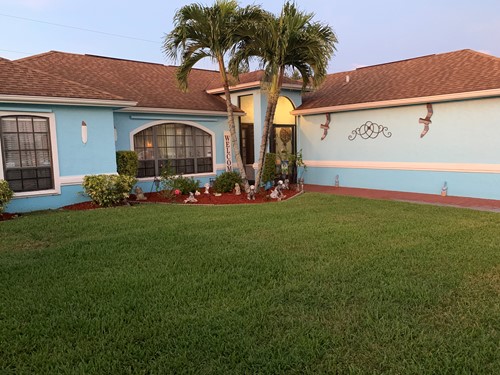 Assisted Living
A Kee to Paradise Assisted Living Facility
Port St. Lucie, FL
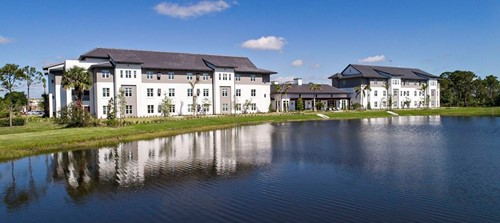 Assisted Living
Watercrest St. Lucie West
Port St. Lucie, FL
FirstLight Home Care - Treasure Coast
Port St. Lucie, FL
AVIVA Port St. Lucie (Opening Spring 2023)
Port St. Lucie, FL
Free Quotes
Get quotes from local pros in Port St. Lucie
Tell us what you need and we’ll pass it to companies that serve your area. It’s free, and there’s no obligation.

Compare Port St. Lucie with any city
See how it stacks up on cost, income, and quality of life.
Start Comparing