



City Profile
Kailua, Hawaii
USA · Comprehensive city data and intelligence
Kailua is a picturesque residential community nestled on the windward coast of Oahu, Hawaii, renowned for its pristine white-sand beaches, striking turquoise waters, and dramatic Pali mountain backdrop. Historically an agricultural and fishing hub for Native Hawaiians, the town has evolved into a highly desirable, upscale residential suburb prized for its relaxed beach-town ambiance and strong community spirit. People move to Kailua to experience a harmonious blend of natural coastal beauty, outdoor recreation, and a tight-knit neighborhood culture that feels worlds away from the urban hustle of Honolulu.
Hawaii is characterized by its unique island geography, diverse cultural heritage, and a pervasive "Aloha Spirit" emphasizing love, compassion, and community. The economy is heavily reliant on tourism, which is the largest industry, contributing significantly to the state's gross product. Other major industries include military defense, diversified agriculture, and emerging sectors like healthcare, technology, and renewable energy. Living in Hawaii is notably expensive, with a cost of living index nearly double the national average, primarily driven by high housing, utility, and grocery costs due to its isolated location and dependence on imports. The climate is tropical with year-round warm temperatures, consistent trade winds, and distinct wet and dry seasons, though local variations can range from humid tropical to alpine. The lifestyle is generally laid-back and deeply connected to outdoor activities and nature, with residents enjoying a high life expectancy.
How this 55/100 was calculated five components, with every reading behind them
| Component | Readings used | Points | Weight | Contributes |
|---|---|---|---|---|
| Safety | Safety score: 78 / 100 | 78.0 | 30% | 23.4 |
| Affordability | Cost of living index (100 = national baseline): 175.0 | 0.0 | 25% | 0.0 |
| Economy & jobs | Median household income: $148,582 Income needed to live here: $95,000 Unemployment rate: 2.7% | 93.4 | 20% | 18.7 |
| Growth | Population growth rate: 0.22% Job growth rate: 1.2% | 37.3 | 15% | 5.6 |
| Business climate assessment | Business climate assessment: 68 / 100 | 68.0 | 10% | 6.8 |
| Overall score | 54.5 | |||
Provenance.
These figures were produced by the research pass recorded as
Gemini (Tier 2 (reasoned), q=70), last refreshed
11 October 2026.
They are researched estimates drawn from public sources, not a licensed data feed.
Each component is scored against fixed published endpoints, so this number is comparable with any other city and does not move as the dataset grows. Scoring framework 2026.10 — full methodology, weights and accepted ranges.

Featured Events
Happening in Kailua
Featured and sponsored events in Kailua.
Local Directory
Businesses in Kailua
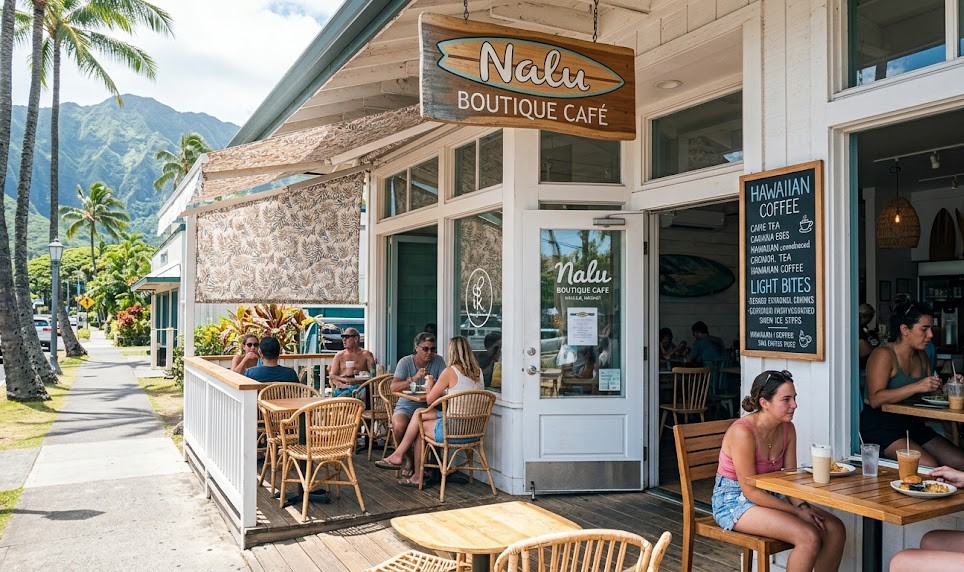
Featured local businesses in Kailua.

Performance
Quality Scores
Expenses
Cost of Living
The cost of living in Kailua is exceptionally high, significantly outpacing both the national average and mainland standards due to its island location and limited geographic footprint. Everyday essentials, groceries, energy utilities, and transportation costs are heavily inflated because nearly all goods must be shipped across the ocean to Hawaii. Housing expenses represent the primary driver of this high cost, with real estate and rental prices ranking among the most expensive in the entire state.
Income
Salary Insights
Kailua's local economy is primarily driven by tourism, retail trade, healthcare services, and small businesses catering to both residents and visitors. While a large portion of the resident workforce commutes over the Pali Highway to Urban Honolulu for corporate, government, and military employment, the town features a thriving boutique commercial center. The remote work scene has also grown steadily, attracting professionals who appreciate the island lifestyle while maintaining mainland or remote corporate roles.
The average salary in Kailua is $78,000 per year. You would need approximately $95,000 to live comfortably.
Employment
Top Industries
Weather
Climate
Mobility
Transport
Getting around Kailua heavily relies on personal automobiles, though the town core is relatively pedestrian-friendly for local errands. Public transit via TheBus connects Kailua to Honolulu and other parts of Oahu, but schedules and commute times can be challenging for daily commuters. Traffic congestion is a notable factor during peak morning and evening rush hours, particularly along the main commuter routes heading through the mountain tunnels toward Honolulu.

At a Glance
Pros & Cons
Advantages
Drawbacks
Head to Head
Compare Kailua
Community Q&A
Questions about Kailua
What people ask about living in and moving to Kailua, Hawaii.
FAQ
Frequently Asked Questions
Businesses for Sale in Kailua
Explore active acquisition & franchise opportunities .
Free Quotes
Get quotes from local pros in Kailua
Tell us what you need and we’ll pass it to companies that serve your area. It’s free, and there’s no obligation.

Compare Kailua with any city
See how it stacks up on cost, income, and quality of life.
Start Comparing