



City Profile
Cicero, Illinois
USA · Comprehensive city data and intelligence
Cicero, Illinois, is a densely populated and historically rich working-class municipality located just west of Chicago. Established in the mid-19th century and incorporated in 1867, it has long served as a major industrial hub and a prominent port of entry for successive waves of immigrants. Today, Cicero is celebrated for its vibrant Hispanic heritage, closely-knit neighborhoods, and enduring blue-collar character.
Positioned immediately adjacent to Chicago's West Side, the town offers residents an urban-suburban mix with convenient access to the broader metropolitan area. Its grid layout features classic Chicago-style bungalows, multi-family brick flats, and bustling commercial corridors like 22nd Street ( Cermak Road). For families and workers seeking proximity to downtown Chicago without the accompanying Loop price tag, Cicero remains a prominent and dynamic destination.
Illinois, known as the "Prairie State," offers a diverse character ranging from the bustling metropolis of Chicago to expansive farmlands. Its economy is among the largest and most diversified in the U.S., with major industries including advanced manufacturing, agriculture and food processing, life sciences, technology, and transportation and logistics. While the cost of living statewide is generally considered moderate, housing costs in Chicago can be higher than the national average. Illinois experiences all four seasons, with hot, humid summers and cold, snowy winters, and is susceptible to severe storms and tornadoes, particularly in spring. Residents enjoy a lifestyle that balances world-class cultural amenities and career opportunities with challenges such as high taxes and urban congestion.
How this 56/100 was calculated five components, with every reading behind them
| Component | Readings used | Points | Weight | Contributes |
|---|---|---|---|---|
| Safety | Safety score: 58 / 100 | 58.0 | 30% | 17.4 |
| Affordability | Cost of living index (100 = national baseline): 92.0 | 53.8 | 25% | 13.4 |
| Economy & jobs | Median household income: $58,500 Income needed to live here: $50,000 Unemployment rate: 5.2% | 53.1 | 20% | 10.6 |
| Growth | Population growth rate: no usable reading Job growth rate: 1.5% | 50.0 | 15% | 7.5 |
| Business climate assessment | Business climate assessment: 67 / 100 | 67.0 | 10% | 6.7 |
| Overall score | 55.7 | |||
Provenance.
These figures were produced by the research pass recorded as
Tier 1 (fast) (q=52, partial — below threshold), last refreshed
16 October 2026.
They are researched estimates drawn from public sources, not a licensed data feed.
Each component is scored against fixed published endpoints, so this number is comparable with any other city and does not move as the dataset grows. Scoring framework 2026.10 — full methodology, weights and accepted ranges.

Featured Events
Happening in Cicero
Featured and sponsored events in Cicero.
Local Directory
Businesses in Cicero
Featured local businesses in Cicero.

Performance
Quality Scores
Expenses
Cost of Living
The cost of living in Cicero generally sits slightly below the national average, making it an attractive option for budget-conscious families and working professionals. Housing costs, while rising in tandem with the greater Cook County market, remain more accessible than those found in neighboring Chicago proper or many northern suburbs. Everyday goods, groceries, and local services are competitively priced, reflecting the diverse retail landscape along its main commercial arteries.
Utility costs and property taxes, however, can introduce financial pressures typical of the broader collar-county and Cook County regions. State and local sales taxes also align with Illinois's higher-tier rates, though sensible savings on housing help offset these expenses for many residents. Overall, the local economic ecosystem provides a practical entry point for first-time homebuyers and renters navigating the Chicago metropolitan housing market.
Income
Salary Insights
Cicero's economy is deeply rooted in manufacturing, logistics, wholesale trade, and retail services. Its strategic location near major freight rail lines, Interstate 55, and Chicago Midway International Airport makes it a premier center for warehousing, distribution, and light industry. Major employers span logistics operators, food processing plants, and local municipal services, providing a steady stream of blue-collar and administrative employment.
While remote work has altered commuting patterns for office workers throughout Cook County, Cicero maintains a strong physical employment base within its industrial parks and commercial strips. The town's economic growth is closely tied to regional supply chains and small business entrepreneurship, particularly family-owned retail shops and restaurants serving the local community. Job seekers find robust opportunities in trade, transportation, and healthcare support roles.
The average salary in Cicero is $54,000 per year. You would need approximately $50,000 to live comfortably.
Employment
Top Industries
Weather
Climate
Mobility
Transport
Transportation is one of Cicero's strong suits, anchored by exceptional connectivity to the Chicago transit network. The CTA Pink Line provides direct rapid transit service to downtown Chicago from multiple stations within or immediately adjacent to the town. Numerous Pace and CTA bus routes crisscross the municipality, offering robust coverage for commuters without personal vehicles.
For drivers, proximity to Interstate 55 (Stevenson Expressway) and major arterial roads facilitates travel throughout Chicagoland, though rush hour congestion is common. The town also features high walkability scores in its commercial districts, allowing residents to complete daily errands on foot.

At a Glance
Pros & Cons
Advantages
Drawbacks
Head to Head
Compare Cicero
Community Q&A
Questions about Cicero
What people ask about living in and moving to Cicero, Illinois.
FAQ
Frequently Asked Questions
Featured Businesses for Sale in Illinois
Explore active acquisition & franchise opportunities featured across Illinois — none listed in Cicero yet@else in Cicero, Illinois.

Senior Care in Cicero
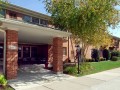
3 assisted living, nursing & memory care facilities in Cicero.
Free Quotes
Get quotes from local pros in Cicero
Tell us what you need and we’ll pass it to companies that serve your area. It’s free, and there’s no obligation.

Compare Cicero with any city
See how it stacks up on cost, income, and quality of life.
Start Comparing