



City Profile
Anderson, Indiana
USA · Comprehensive city data and intelligence
Anderson, Indiana, is a mid-sized city in Madison County, serving as its county seat. With a population of approximately 56,404 in 2026, the city is experiencing a steady growth rate. Anderson is known for its blend of established housing, practical access to jobs, and a variety of local amenities and events. It's also home to Anderson University and the headquarters of the Church of God (Anderson).
Indiana, known as the "Hoosier State," offers a practical and community-oriented lifestyle with a cost of living generally below the national average. Its economy is diverse, with major industries including advanced manufacturing (automotive, steel, pharmaceuticals, medical devices), agriculture (corn, soybeans, hogs), life sciences, and logistics. The state experiences a humid continental climate, characterized by hot, muggy summers and cold, snowy winters, with spring and fall offering more moderate temperatures. Residents often value a relaxed pace of life, strong community ties, and access to outdoor activities and major metropolitan areas.
How this 67/100 was calculated five components, with every reading behind them
| Component | Readings used | Points | Weight | Contributes |
|---|---|---|---|---|
| Safety | Safety score: 72 / 100 | 72.0 | 30% | 21.6 |
| Affordability | Cost of living index (100 = national baseline): 84.0 | 63.8 | 25% | 15.9 |
| Economy & jobs | Median household income: $46,909 Income needed to live here: $34,800 Unemployment rate: 3.7% | 73.6 | 20% | 14.7 |
| Growth | Population growth rate: 0.45% Job growth rate: 2.45% | 52.6 | 15% | 7.9 |
| Business climate assessment | Business climate assessment: 68 / 100 | 68.0 | 10% | 6.8 |
| Overall score | 67.0 | |||
Provenance.
These figures were produced by the research pass recorded as
Gemini (Tier 1 (fast), q=92 ✓ perfect), last refreshed
10 October 2026.
They are researched estimates drawn from public sources, not a licensed data feed.
Each component is scored against fixed published endpoints, so this number is comparable with any other city and does not move as the dataset grows. Scoring framework 2026.10 — full methodology, weights and accepted ranges.

Featured Events
Happening in Anderson
Featured and sponsored events in Anderson.
Local Directory
Businesses in Anderson
Featured local businesses in Anderson.

Performance
Quality Scores
Expenses
Cost of Living
The cost of living in Anderson is notably lower than both the national and state averages, making it an attractive option for those seeking affordability. Housing costs, in particular, are significantly below the national average, which is a major draw for residents. While housing is more budget-friendly, other expenses like food and transportation are also generally more affordable than the national average.
Income
Salary Insights
Anderson offers a diverse job market with opportunities in various sectors. The average annual salary in Anderson is around $50,050 as of September 2026. Manufacturing and production roles, healthcare, and education are among the industries offering solid earnings. The city's location along the I-69 corridor provides convenient access to regional employment centers, including Indianapolis, which is about 38 miles away.
The average salary in Anderson is $50,050 per year. You would need approximately $34,800 to live comfortably.
Employment
Top Industries
Weather
Climate
Mobility
Transport
Getting around Anderson primarily involves driving, with most people driving alone to work. The city is well-connected by the I-69 corridor and State Roads 32, 67, and 9, facilitating both local and regional commuting. The average commute time for workers is around 24.7 minutes. The City of Anderson Transit System provides fixed-route and demand-responsive public transit services.

At a Glance
Pros & Cons
Advantages
Drawbacks
Head to Head
Compare Anderson
Community Q&A
Questions about Anderson
What people ask about living in and moving to Anderson, Indiana.
How are the public schools in Anderson rated?
Public schools in Anderson offer a range of programs, from elementary to high school. Performance ratings vary by district; you can find detailed reports on the school district’s official website, which includes test scores, graduation rates, and extracurricular offerings.
What public transportation options are available?
The city offers a local transit authority with bus routes that cover major residential and commercial zones. Buses run on a regular schedule, and you can find route maps and schedules on the transit website or through the city’s transportation department.
How does living in Anderson compare to the national average?
The cost of living index in Anderson is 84, meaning expenses are about 16% below the national average. Housing, groceries, and utilities are cheaper, but some services may be slightly higher. Overall, you can expect to stretch your budget more compared to a city with a 100 index.
What is the average rent for a one-bedroom apartment?
The average rent for a one-bedroom apartment in Anderson is $957 per month. Prices can vary by neighborhood and building amenities, but this figure gives a solid baseline for budgeting. Check local rental listings for current market variations.
What are the typical salaries like in Anderson?
The average annual salary in Anderson is $50,050. Depending on your field, salaries may be slightly below the national median, but the lower cost of living helps balance the difference. Look up industry reports or local job boards for specific roles.
Is Anderson a safe place to live?
Anderson has a safety score of 72.0 out of 100, indicating a moderate level of safety compared to national averages. Crime rates are generally lower in residential neighborhoods, but it’s wise to review local police reports or community forums for specific areas of interest.
What healthcare facilities are nearby?
Anderson hosts a network of hospitals, urgent care centers, and specialty clinics that serve the community. These facilities provide a range of services from primary care to emergency treatment. Check the city’s health department website for a directory of providers and their specialties.
What are the top attractions for families in Anderson?
The city offers parks, museums, and community events that cater to families. Outdoor spaces feature playgrounds and picnic areas, while cultural venues host art exhibits and performances. Local event calendars and the tourism office list seasonal festivals and family-friendly activities.
What should I know about moving into Anderson?
When moving to Anderson, consider the average rent and cost of living to budget for housing and everyday expenses. Research utilities, local services, and community resources early. It’s helpful to connect with the city’s relocation guide or housing office for information on moving permits, utility setup, and neighborhood insights.
What is the overall vibe of Anderson?
Anderson blends small-town charm with accessible amenities. Residents enjoy a relaxed pace, community events, and local businesses. The city’s cultural scene includes theaters, galleries, and historic sites that reflect its industrial heritage. Visiting neighborhood streets and speaking with locals can give you a true feel for the community atmosphere.
Some answers here were drafted as a starting point and may be out of date. Live in Anderson? Add your own.
FAQ
Frequently Asked Questions
Senior Care in Anderson
19 assisted living, nursing & memory care facilities in Anderson.
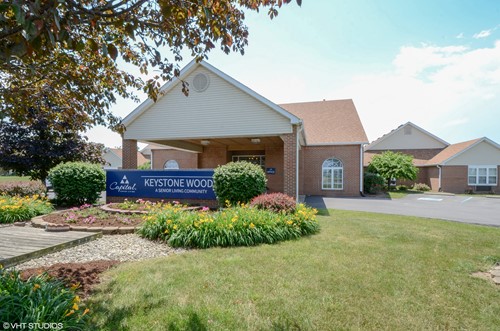 Assisted Living
Keystone Woods
Anderson, IN
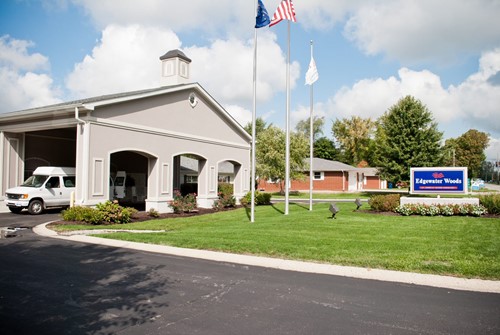 Assisted Living
Edgewater Woods
Anderson, IN
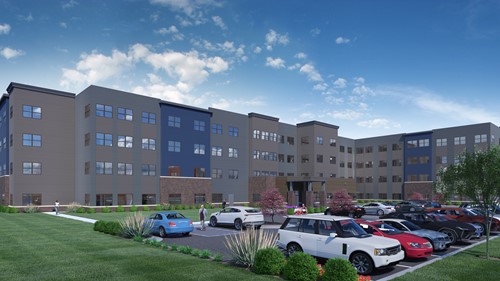 Assisted Living
Sweet Galilee at the Wigwam
Anderson, IN
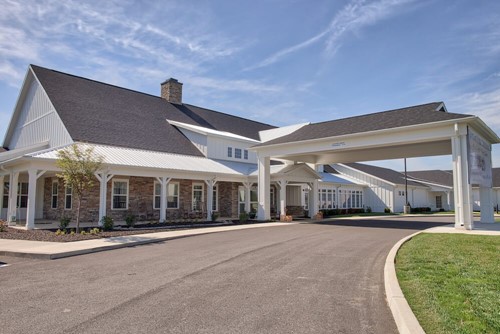 Assisted Living
Sugar Fork Crossing
Anderson, IN
Cj's Abundant Care
Anderson, IN
Visiting Angels - East Central Indiana
Anderson, IN
Bethany Pointe Health Campus
Anderson, IN
Care Force One, Inc
Anderson, IN
Envive Of Anderson
Anderson, IN
Right at Home - Anderson
Anderson, IN
Northview Health And Living
Anderson, IN
Beaumont Rehabilitation And Healthcare Center
Anderson, IN
City Guide
Explore Anderson
Free Quotes
Get quotes from local pros in Anderson
Tell us what you need and we’ll pass it to companies that serve your area. It’s free, and there’s no obligation.

Compare Anderson with any city
See how it stacks up on cost, income, and quality of life.
Start Comparing