



City Profile
Baton Rouge, Louisiana
USA · Comprehensive city data and intelligence
Baton Rouge, the capital city of Louisiana, serves as a dynamic hub of culture, education, and politics nestled along the eastern bank of the Mississippi River. Steeped in a rich history blending French, Spanish, and Creole heritages, the city features iconic architecture such as the striking art deco State Capitol building. As the home of Louisiana State University, Baton Rouge carries a vibrant college-town energy infused with world-renowned southern hospitality, soul-stirring music, and legendary Cajun and Creole cuisine. People are drawn to the area for its robust educational opportunities, lower-than-average cost of living, and strategic position as an economic powerhouse within the Gulf South region.
Louisiana, a state in the southern United States, is characterized by its unique blend of French, Spanish, African, and Creole cultures, evident in its vibrant music, cuisine, and festivals like Mardi Gras. The economy is significantly driven by the energy sector, particularly petroleum refining, oil drilling, and natural gas extraction, alongside strong manufacturing, healthcare, and agribusiness industries. Living in Louisiana generally offers a lower cost of living compared to the national average, with housing and utilities often more affordable. The climate is humid subtropical, featuring long, hot, and humid summers with frequent precipitation, and mild winters, though the state is prone to tropical storms and hurricanes. The lifestyle is often described as relaxed and welcoming, with a strong emphasis on community and outdoor activities.
How this 59/100 was calculated five components, with every reading behind them
| Component | Readings used | Points | Weight | Contributes |
|---|---|---|---|---|
| Safety | Safety score: 58 / 100 | 58.0 | 30% | 17.4 |
| Affordability | Cost of living index (100 = national baseline): 91.0 | 55.0 | 25% | 13.8 |
| Economy & jobs | Median household income: $49,994 Income needed to live here: $52,000 Unemployment rate: 4.1% | 47.0 | 20% | 9.4 |
| Growth | Population growth rate: no usable reading Job growth rate: 2.8% | 76.0 | 15% | 11.4 |
| Business climate assessment | Business climate assessment: 67 / 100 | 67.0 | 10% | 6.7 |
| Overall score | 58.6 | |||
Provenance.
These figures were produced by the research pass recorded as
Tier 2 (reasoned) (q=60, partial — below threshold), last refreshed
11 October 2026.
They are researched estimates drawn from public sources, not a licensed data feed.
Each component is scored against fixed published endpoints, so this number is comparable with any other city and does not move as the dataset grows. Scoring framework 2026.10 — full methodology, weights and accepted ranges.

Featured Events
Happening in Baton Rouge
Featured and sponsored events in Baton Rouge.
Local Directory
Businesses in Baton Rouge
Featured local businesses in Baton Rouge.

Performance
Quality Scores
Expenses
Cost of Living
The cost of living in Baton Rouge is notably lower than the national average, making it an attractive destination for families, young professionals, and retirees alike. Housing costs, grocery prices, and utility expenses typically run below typical U.S. benchmarks, giving residents more purchasing power on modest budgets. While certain imported goods and specialized services track close to national trends, affordable housing options across diverse neighborhoods help keep overall everyday expenses manageable. Consequently, residents find that their dollar stretches further here compared to major metropolitan areas on either coast.
Income
Salary Insights
Baton Rouge anchors a resilient and diversified economy driven by heavy industry, petrochemical manufacturing, higher education, medical research, and state government administration. Major employers like Louisiana State University, local healthcare networks, and numerous industrial facilities along the Mississippi River corridor provide a steady foundation of stable employment. Growth sectors in technology, digital media, and professional services have gradually expanded the local job market, while remote workers appreciate the area's low overhead and central southern location. Workforce development programs closely partner with regional colleges to continuously align training initiatives with emerging industry demands.
The average salary in Baton Rouge is $61,000 per year. You would need approximately $52,000 to live comfortably.
Employment
Top Industries
Weather
Climate
Mobility
Transport
Most residents rely on personal automobiles to navigate Baton Rouge, resulting in a car-dependent lifestyle typical of many southern cities. The Capital Area Transit System (CATS) provides public bus routes across key urban corridors, though coverage is limited compared to larger metropolitan transit networks. Traffic congestion can peak during rush hours along major arteries like Interstate 10 and Interstate 12, prompting ongoing infrastructure investments. Walkability is high in specific localized pockets like downtown and near the university campus, but overall daily errands typically require driving.

At a Glance
Pros & Cons
Advantages
Drawbacks
Head to Head
Compare Baton Rouge
Community Q&A
Questions about Baton Rouge
What people ask about living in and moving to Baton Rouge, Louisiana.
FAQ
Frequently Asked Questions
Businesses for Sale in Baton Rouge
Explore active acquisition & franchise opportunities .
Senior Care in Baton Rouge
6 assisted living, nursing & memory care facilities in Baton Rouge.
 Senior Care
PACE Lafayette
Baton Rouge, LA
 Senior Care
Williamsburg Senior Living Community
Baton Rouge, LA
 Senior Care
Lake Sherwood Village
Baton Rouge, LA
 Senior Care
Capital Oaks Nursing & Rehabilitation Center, LLC
Baton Rouge, LA
 Senior Care
Baton Rouge Rehab Hospital
Baton Rouge, LA
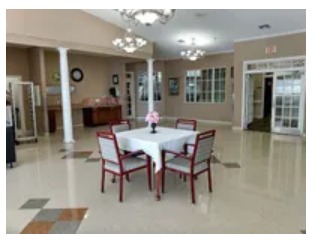 Senior Care
White Oak Post Acute Care (Nottingham)
Baton Rouge, LA
City Guide
Explore Baton Rouge
Free Quotes
Get quotes from local pros in Baton Rouge
Tell us what you need and we’ll pass it to companies that serve your area. It’s free, and there’s no obligation.

Compare Baton Rouge with any city
See how it stacks up on cost, income, and quality of life.
Start Comparing