



City Profile
Wilmington, North Carolina
USA · Comprehensive city data and intelligence
Wilmington, North Carolina, is a historic port city located in the southeastern part of the state, renowned for its picturesque Riverwalk and proximity to popular coastal beaches like Wrightsville Beach, Carolina Beach, and Kure Beach. Founded in the 1730s along the Cape Fear River, the city played a pivotal role in American history as a major colonial and Civil War port, while today preserving one of the largest historic districts in the United States. Its charming cobblestone streets, Victorian architecture, and vibrant oak-lined downtown create a uniquely scenic atmosphere that blends rich heritage with modern coastal appeal.
Over the past decade, Wilmington has evolved from a quiet coastal getaway into a booming regional hub, attracting a wave of new residents drawn to its warm climate, cultural vitality, and coastal lifestyle. The city serves as the educational and economic anchor of New Hanover County, anchored by the University of North Carolina Wilmington (UNCW). With a thriving arts scene, a burgeoning film industry earning it the moniker 'Hollywood East,' and a welcoming community spirit, Wilmington consistently ranks as one of the most desirable mid-sized cities in the American Southeast.
North Carolina offers a diverse landscape, ranging from the Appalachian Mountains to the Atlantic coast, contributing to varied climates and lifestyles. The state's economy, once reliant on textiles and furniture, has diversified into advanced manufacturing, biotechnology, finance, and information technology, with a gross state product of $693.0 billion in 2026. The cost of living is generally considered affordable, with housing and utilities often below the national average, though costs can vary by city. North Carolina experiences a humid subtropical climate with hot, humid summers and mild to moderately cold winters, offering four distinct seasons.
How this 62/100 was calculated five components, with every reading behind them
| Component | Readings used | Points | Weight | Contributes |
|---|---|---|---|---|
| Safety | Safety score: 68 / 100 | 68.0 | 30% | 20.4 |
| Affordability | Cost of living index (100 = national baseline): 102.0 | 41.3 | 25% | 10.3 |
| Economy & jobs | Median household income: $67,500 Income needed to live here: $53,000 Unemployment rate: 3.6% | 69.6 | 20% | 13.9 |
| Growth | Population growth rate: 1.9% Job growth rate: 2.4% | 70.3 | 15% | 10.5 |
| Business climate assessment | Business climate assessment: 70 / 100 | 70.0 | 10% | 7.0 |
| Overall score | 62.2 | |||
Provenance.
These figures were produced by the research pass recorded as
Tier 1 (fast) (q=52, partial — below threshold), last refreshed
15 October 2026.
They are researched estimates drawn from public sources, not a licensed data feed.
Each component is scored against fixed published endpoints, so this number is comparable with any other city and does not move as the dataset grows. Scoring framework 2026.10 — full methodology, weights and accepted ranges.

Featured Events
Happening in Wilmington
Featured and sponsored events in Wilmington.
Local Directory
Businesses in Wilmington
Featured local businesses in Wilmington.

Performance
Quality Scores
Expenses
Cost of Living
The cost of living in Wilmington sits slightly above the national average, largely driven by high housing demand and coastal real estate pressures. While everyday expenses such as groceries, utilities, and transportation remain relatively comparable to typical US metro areas, the surging popularity of the Cape Fear region has pushed property values and rental rates upward. Neighborhoods closer to downtown and the beaches command a significant premium, requiring newcomers to budget carefully for housing costs.
Despite the upward pressure on housing, Wilmington offers a balanced economic proposition when weighed against larger North Carolina metropolitan areas like Charlotte or Raleigh. Local property taxes and state income tax rates provide some relief compared to northeastern or western US states, though coastal homeowners must factor in mandatory windstorm and flood insurance policies. Overall, residents find that the exceptional quality of life, access to pristine beaches, and vibrant community culture justify the slightly elevated cost of living.
Income
Salary Insights
Wilmington features a diversified and dynamic economy anchored by key sectors including healthcare, education, tourism, professional services, and film production. Major employers such as Novant Health New Hanover Regional Medical Center and the University of North Carolina Wilmington provide a strong foundation of stable, high-skilled employment opportunities. Additionally, the region has seen rapid growth in technology startups, advanced manufacturing, and remote work infrastructure, attracting entrepreneurs and digital professionals seeking a coastal lifestyle.
The city's entrepreneurial ecosystem is supported by local incubators and coworking spaces, fostering a collaborative business environment that encourages small business development and innovation. Tourism remains a massive economic driver, supporting thousands of hospitality and retail jobs, especially during the peak spring and summer seasons. While average salaries can sometimes lag behind top-tier national tech hubs, the steady influx of new businesses and population growth continues to expand the local job market.
The average salary in Wilmington is $61,500 per year. You would need approximately $53,000 to live comfortably.
Employment
Top Industries
Weather
Climate
Mobility
Transport
Getting around Wilmington is primarily car-dependent, though active transportation networks for pedestrians and cyclists continue to expand across the city. The Wave Transit system provides public bus services throughout Wilmington and New Hanover County, connecting key commercial centers, residential neighborhoods, and the UNCW campus. Major thoroughfares like Interstate 140, US-17, and Military Cutoff Road facilitate regional travel, though seasonal traffic congestion occurs along routes leading to the beaches.
Walking and bicycling are highly feasible within the compact historic downtown and specific master-planned communities, supported by the Gary Shell Cross-City Trail. The Wilmington International Airport (ILM) offers convenient commercial flights connecting residents to major national hubs, making air travel accessible. Overall, while daily commuting relies heavily on personal vehicles, ongoing infrastructure investments aim to improve multimodal transit options throughout the city.

At a Glance
Pros & Cons
Advantages
Drawbacks
Head to Head
Compare Wilmington
Community Q&A
Questions about Wilmington
What people ask about living in and moving to Wilmington, North Carolina.
FAQ
Frequently Asked Questions
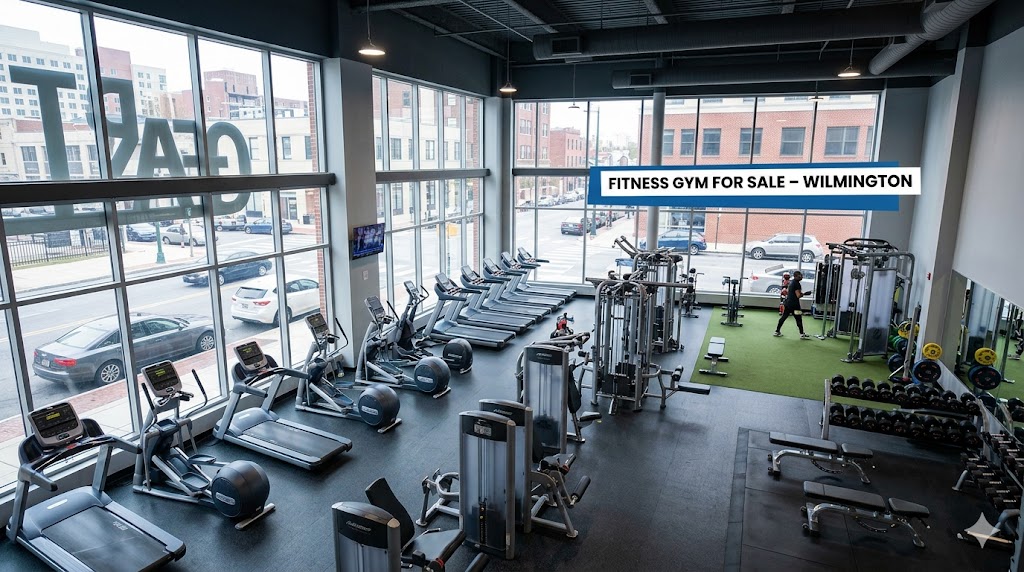
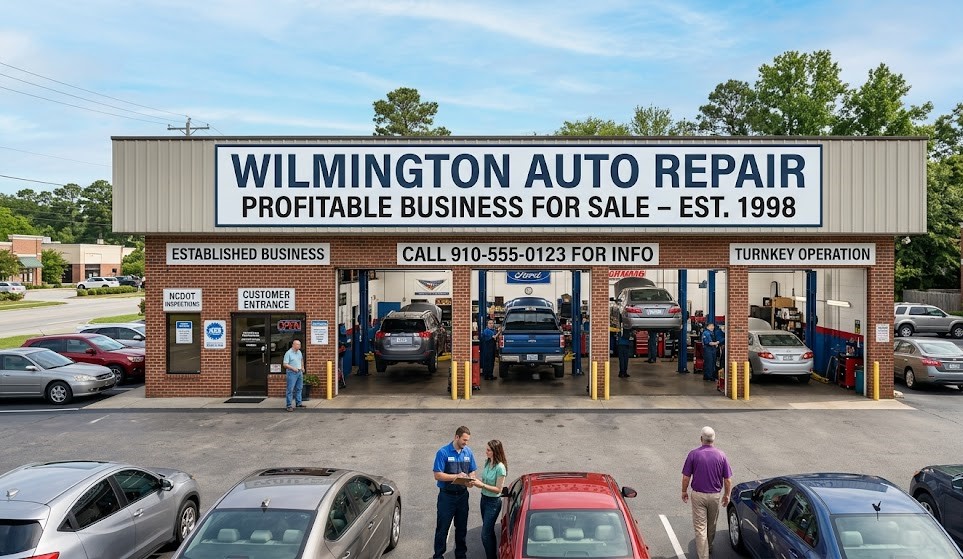
Businesses for Sale in Wilmington
Explore active acquisition & franchise opportunities .
City Guide
Explore Wilmington
Free Quotes
Get quotes from local pros in Wilmington
Tell us what you need and we’ll pass it to companies that serve your area. It’s free, and there’s no obligation.

Compare Wilmington with any city
See how it stacks up on cost, income, and quality of life.
Start Comparing