



City Profile
Vancouver, Washington
USA · Comprehensive city data and intelligence
Vancouver, Washington sits along the north bank of the Columbia River, serving as the fourth-largest city in the state and a vibrant economic hub in Clark County. Founded in 1825 as a fur-trading post at Fort Vancouver, the city beautifully blends rich Pacific Northwest history with rapid modern growth and urban revitalization. People flock to Vancouver for its booming waterfront district, scenic parks, and the unique financial advantage of having no state income tax while living right next door to Portland, Oregon.
Washington, USA, offers a diverse character, split by the Cascade Mountains into a wetter, milder western side and a drier, more extreme eastern side. The economy is robust and varied, with major industries including technology, aerospace, trade, and healthcare in Western Washington, while the eastern half is dominated by agriculture, particularly fruit and vegetable production and dairy farming. Living costs are generally high, especially in the Seattle metropolitan area, though more affordable options exist in Eastern Washington. The climate west of the Cascades features cool, comparatively dry summers and mild, wet, cloudy winters, while the east experiences hotter summers and colder winters. Residents often enjoy an outdoor-oriented lifestyle, balancing urban conveniences with access to diverse natural landscapes.
How this 60/100 was calculated five components, with every reading behind them
| Component | Readings used | Points | Weight | Contributes |
|---|---|---|---|---|
| Safety | Safety score: 70 / 100 | 70.0 | 30% | 21.0 |
| Affordability | Cost of living index (100 = national baseline): 108.0 | 33.8 | 25% | 8.4 |
| Economy & jobs | Median household income: $78,000 Income needed to live here: $58,000 Unemployment rate: 4.5% | 68.4 | 20% | 13.7 |
| Growth | Population growth rate: 1.4% Job growth rate: 2.3% | 63.0 | 15% | 9.5 |
| Business climate assessment | Business climate assessment: 71 / 100 | 71.0 | 10% | 7.1 |
| Overall score | 59.7 | |||
Provenance.
These figures were produced by the research pass recorded as
Tier 3 (deep think) (q=54, partial — below threshold), last refreshed
16 October 2026.
They are researched estimates drawn from public sources, not a licensed data feed.
Each component is scored against fixed published endpoints, so this number is comparable with any other city and does not move as the dataset grows. Scoring framework 2026.10 — full methodology, weights and accepted ranges.

Featured Events
Happening in Vancouver
Featured and sponsored events in Vancouver.
Local Directory
Businesses in Vancouver
Featured local businesses in Vancouver.

Performance
Quality Scores
Expenses
Cost of Living
The cost of living in Vancouver is slightly higher than the national average, heavily influenced by rising housing costs and strong regional demand in the Pacific Northwest. While residents enjoy the perk of zero Washington state personal income tax, sales taxes and property values reflect the area's popularity and proximity to the Portland metropolitan job market. Everyday expenses like groceries and utilities track fairly close to national norms, though transportation and housing remain the primary drivers of household budgets.
Income
Salary Insights
Vancouver boasts a dynamic and diversified economy anchored by healthcare, technology, manufacturing, and retail trade. Major employers like PeaceHealth Southwest Medical Center and Evergreen Public Schools provide a stable employment foundation, while a burgeoning startup scene thrives in the revitalized downtown waterfront district. Many residents also commute across the Interstate 5 or Interstate 205 bridges into Portland for additional employment opportunities in finance, tech, and creative sectors.
The average salary in Vancouver is $68,000 per year. You would need approximately $58,000 to live comfortably.
Employment
Top Industries
Weather
Climate
Mobility
Transport
Getting around Vancouver primarily relies on automobiles, with Interstate 5 and Interstate 205 serving as the main commuter arteries connecting Washington to Oregon. C-TRAN provides local bus service and express routes into downtown Portland, though overall walkability and transit scores remain moderate outside the denser downtown core. Traffic congestion during peak hours across the interstate bridges is a common challenge for cross-river commuters.

At a Glance
Pros & Cons
Advantages
Drawbacks
Head to Head
Compare Vancouver
Community Q&A
Questions about Vancouver
What people ask about living in and moving to Vancouver, Washington.
What is the average rent for a 2-bedroom apartment in Vancouver?
The median rent for a 2‑bedroom apartment in Vancouver typically ranges from $1,400 to $1,700 per month, depending on the building’s amenities, age, and proximity to downtown. Newer developments or units with upgraded appliances and in‑building laundry can push prices toward the upper end, while older complexes or those farther from the city center may offer slightly lower rates. Check local rental listings and real‑...
What is the best time of year to move to Vancouver?
Spring and fall are ideal for moving, as temperatures are mild and the housing market is less competitive than in the summer peak. During these seasons, rental and purchase listings are plentiful, and weather conditions are comfortable for moving logistics. Planning your move during these months can also reduce transportation costs and make it easier to find moving services.
How does the cost of groceries compare to other cities in the Pacific Northwest?
Groceries in Vancouver generally cost about 5% to 10% less than in larger Pacific Northwest cities like Seattle or Portland. Basic items such as milk, bread, and fresh produce are priced similarly, while specialty items may be slightly cheaper due to lower local taxes and a competitive retail market. For precise comparisons, look at cost‑of‑living calculators that include grocery indices for each city.
What industries are hiring most in Vancouver?
Vancouver’s job market is driven by logistics, manufacturing, and healthcare. The region’s proximity to major transportation corridors attracts distribution centers and freight companies, while the growing medical sector supports roles in patient care, administration, and allied health. Additionally, small businesses and tech startups in the downtown area create openings in IT, marketing, and customer service. Online...
How do the public schools in Vancouver rank statewide?
Public schools in Vancouver are generally rated above average in state assessments, with several schools consistently earning high marks for reading, math, and overall student performance. The district offers a mix of traditional and alternative programs, including magnet and STEM-focused classes. Parents can review recent performance reports and school rating websites to compare specific schools and programs.
What public transportation options are available for commuting?
Commuters can use regional bus routes that connect Vancouver to Portland, with several departures per day during peak hours. The city also offers a commuter rail service that runs through the downtown area, providing a convenient alternative to driving. For the latest schedules and fare information, check the regional transit authority’s website or mobile app.
Where can I find quality healthcare facilities in Vancouver?
Vancouver hosts several full‑service hospitals and a network of primary care practices that cover a range of medical specialties. These facilities are equipped with emergency departments, surgical suites, and outpatient services. Patients can consult local health directories or the city’s health department website to locate providers, read patient reviews, and verify insurance acceptance.
What are the must‑visit outdoor spots in Vancouver?
Vancouver offers a variety of parks, trails, and waterfront areas. Popular spots include the expansive riverfront park with walking paths and bike lanes, a network of forested trails that wind through the hills, and a scenic overlook that provides panoramic views of the city and surrounding valleys. Seasonal events, such as farmers markets and outdoor concerts, often take place in these public spaces.
Is Vancouver a safe place to live?
Overall, Vancouver’s crime rates are lower than the national average, with most incidents classified as non‑violent property crimes. Violent crime is relatively rare, and community policing efforts have helped maintain a safe environment. Local neighborhood watch groups and community forums often discuss safety concerns and share updates. Reviewing recent crime statistics from the city’s public safety reports can pro...
What is the overall vibe of Vancouver compared to Portland?
Vancouver has a relaxed, small‑town feel with a growing arts scene and a strong emphasis on outdoor recreation. While it shares some regional characteristics with Portland—such as a focus on sustainability and local food—it maintains a quieter pace and a more affordable cost of living. Residents often appreciate the balance between urban amenities and access to nature.
Some answers here were drafted as a starting point and may be out of date. Live in Vancouver? Add your own.
FAQ
Frequently Asked Questions
Businesses for Sale in Vancouver
Explore active acquisition & franchise opportunities .
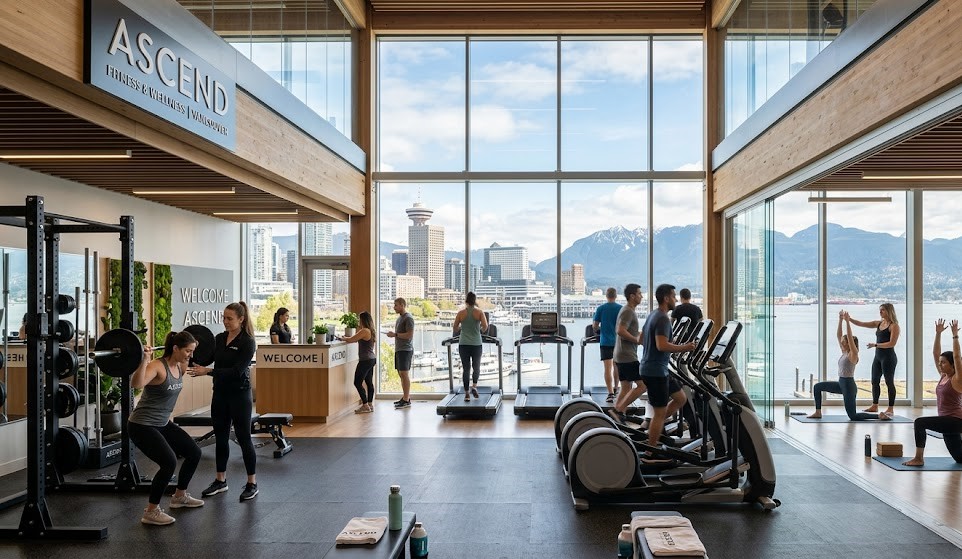 Independent
Fitness & Wellness Center for Sale – Vancouver
Vancouver, Washington
 Service / Fitness
Boutique Fitness Studio in Vancouver
Vancouver, British Columbia
 Established Business
Profitable Boutique Fitness Studio in Vancouver
Vancouver, British Columbia
Senior Care in Vancouver
182 assisted living, nursing & memory care facilities in Vancouver.
 Senior Care
Knights of Pythias Retirement Center
Vancouver, WA
 Senior Care
CDM Home Care Adult Day Center
Vancouver, WA
 Senior Care
Carmen quality adult family Home Care
Vancouver, WA
 Senior Care
Area Agency on Aging & Disabilities of Southwest Washington
Vancouver, WA
 Senior Care
ComForCare Home Care (Vancouver, WA)
Vancouver, WA
 Senior Care
A Place Call Home LLC
Vancouver, WA
 Senior Care
Amada Senior Care
Vancouver, WA
 Senior Care
CDM Caregiving Services
Vancouver, WA
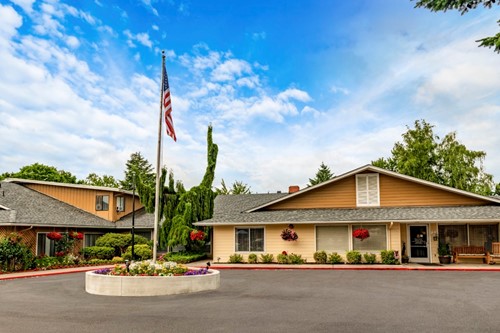 Senior Care
Kamlu Retirement Inn-Vancouver
Vancouver, WA
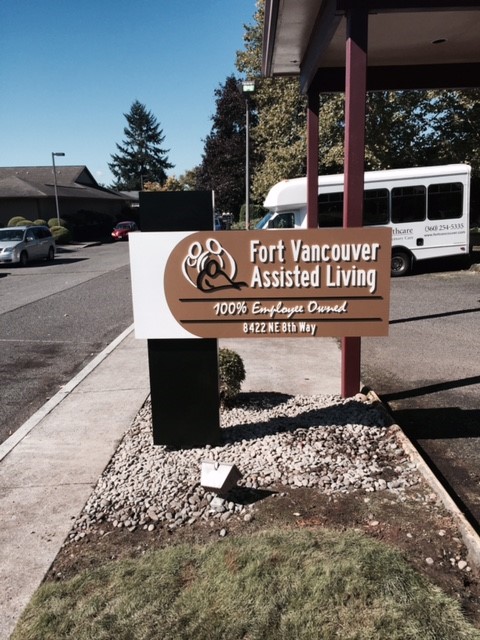 Assisted Living
Fort Vancouver Assisted Living
Vancouver, WA
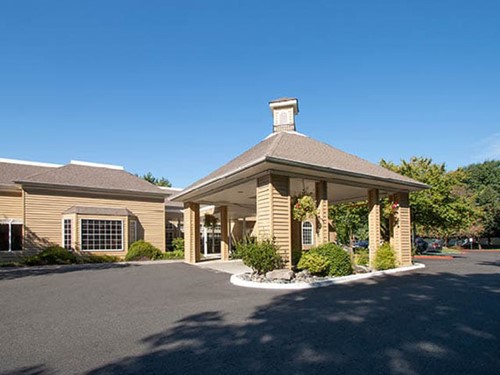 Assisted Living
Avamere Rehabilitation of Cascade Park
Vancouver, WA
 Senior Care
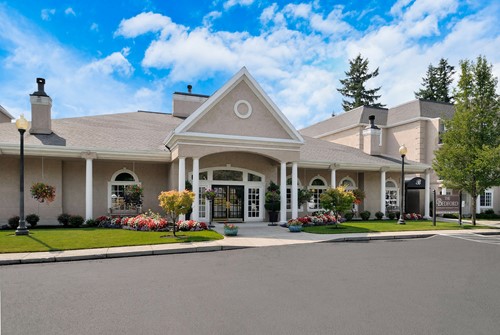
Truewood by Merrill, Vancouver
Vancouver, WA
City Guide
Explore Vancouver
Free Quotes
Get quotes from local pros in Vancouver
Tell us what you need and we’ll pass it to companies that serve your area. It’s free, and there’s no obligation.

Compare Vancouver with any city
See how it stacks up on cost, income, and quality of life.
Start Comparing