



City Profile
Tempe, Arizona
USA · Comprehensive city data and intelligence
Tempe, Arizona, is a vibrant and dynamic city located in the heart of the Phoenix metropolitan area, renowned for its youthful energy and rich cultural history. Originally established along the Salt River, the city evolved from a historical trade crossing into a bustling urban hub anchored by the sprawling main campus of Arizona State University. People are drawn to Tempe for its unique blend of Southwestern desert charm, progressive urban planning, and a thriving commercial sector that attracts students, young professionals, and families alike.
Characterized by a bustling downtown centered around Mill Avenue and Tempe Town Lake, the city offers an exceptional urban lifestyle uncommon in many other parts of the desert Southwest. The presence of Arizona State University infuses the community with a continuous stream of innovation, diverse cultural events, and an active arts scene. Whether strolling along the lakefront or exploring the historic neighborhoods, residents find a welcoming environment that balances high-density convenience with relaxed desert living.
Arizona offers a diverse landscape, from low-elevation deserts to mountainous regions, and is known for its abundant sunshine, averaging around 300 sunny days per year. The state's economy is moderately diverse, with major industries including manufacturing (especially aerospace, defense, transportation, and electronics), healthcare, real estate, tourism, technology, bioscience, agriculture (cotton, citrus), and mining (copper). While the cost of living in Arizona is generally higher than the national average, particularly for housing, the state's mild winters and opportunities for outdoor activities contribute to an appealing lifestyle for many.
How this 58/100 was calculated five components, with every reading behind them
| Component | Readings used | Points | Weight | Contributes |
|---|---|---|---|---|
| Safety | Safety score: 68 / 100 | 68.0 | 30% | 20.4 |
| Affordability | Cost of living index (100 = national baseline): 105.0 | 37.5 | 25% | 9.4 |
| Economy & jobs | Median household income: $79,663 Income needed to live here: $62,000 Unemployment rate: 4.6% | 64.1 | 20% | 12.8 |
| Growth | Population growth rate: 0.53% Job growth rate: 1.9% | 48.1 | 15% | 7.2 |
| Business climate assessment | Business climate assessment: 80 / 100 | 80.0 | 10% | 8.0 |
| Overall score | 57.8 | |||
Provenance.
These figures were produced by the research pass recorded as
Tier 2 (reasoned) (q=67, partial — below threshold), last refreshed
11 October 2026.
They are researched estimates drawn from public sources, not a licensed data feed.
Each component is scored against fixed published endpoints, so this number is comparable with any other city and does not move as the dataset grows. Scoring framework 2026.10 — full methodology, weights and accepted ranges.

Featured Events
Happening in Tempe
Featured and sponsored events in Tempe.
Local Directory
Businesses in Tempe
Featured local businesses in Tempe.

Performance
Quality Scores
Expenses
Cost of Living
The cost of living in Tempe sits slightly above the national average, primarily driven by strong housing demand, proximity to Phoenix, and its desirability as a high-tech and educational destination. While everyday expenses such as groceries and transportation remain reasonably close to national baselines, housing costs—both for renting and purchasing real estate—play a significant role in elevating overall expenditures for residents. Utility costs, particularly electricity usage during peak summer months, also require careful household budgeting.
Downward pressure on certain routine costs comes from a robust local economy and competitive retail markets across the East Valley. Public transit options, including the Valley Metro light rail and local circulator buses, help offset car dependency and commuting expenses for students and professionals working near urban centers. Ultimately, while living in Tempe commands a premium compared to smaller Arizona towns, its robust job opportunities and vibrant standard of living offer strong value relative to major coastal metros.
Income
Salary Insights
Tempe's economy is exceptionally robust and diversified, serving as a major commercial powerhouse within Maricopa County. Key employment sectors include educational services through Arizona State University, retail trade, healthcare and social assistance, professional and business services, and financial activities. The city has also cultivated a thriving technology and startup ecosystem, drawing corporate headquarters and high-tech firms to its modern office corridors near downtown and the waterfront.
Major employers range from large financial institutions and technology enterprises to healthcare providers and advanced manufacturing firms. The remote and hybrid work scene is well-supported by numerous coworking spaces, high-speed fiber infrastructure, and a talent pipeline fed directly by local graduates. Economic momentum remains high, backed by continuous investments in municipal infrastructure and business-friendly policies that encourage entrepreneurship and corporate relocation.
The average salary in Tempe is $76,000 per year. You would need approximately $62,000 to live comfortably.
Employment
Top Industries
Weather
Climate
Mobility
Transport
Getting around Tempe is facilitated by a multi-modal transportation network that integrates roads, light rail, local buses, and extensive bike infrastructure. The Valley Metro Light Rail connects Tempe directly to downtown Phoenix, Mesa, and Phoenix Sky Harbor International Airport, making regional travel seamless without a car. Free local Orbit bus circulators service major neighborhoods and campus routes efficiently.
Walkability is high in core districts like Downtown and the campus area, which boast high Walk Scores, while suburban areas lean more toward standard car dependency. The city is exceptionally bike-friendly, featuring dedicated bike lanes and high Bike Scores that encourage cycling as a viable year-round commuter choice. Major freeways, including US-60 and Loop 202, provide fast driving access across the entire Valley.

At a Glance
Pros & Cons
Advantages
Drawbacks
Head to Head
Compare Tempe
Community Q&A
Questions about Tempe
What people ask about living in and moving to Tempe, Arizona.
FAQ
Frequently Asked Questions
Senior Care in Tempe
70 assisted living, nursing & memory care facilities in Tempe.
 Senior Care
Grandview Gardens Assisted Living Home
Tempe, AZ
 Senior Care
Cahill Senior Center
Tempe, AZ
 Senior Care
Arizona Mentor
Tempe, AZ
 Senior Care
Grace Hill Ranch ALH
Tempe, AZ
 Senior Care
Grandview Gardens Assisted Living Home
Tempe, AZ
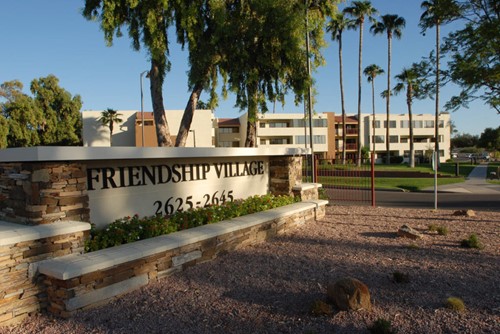 Assisted Living
Memory Care Assisted Living At Friendship Village Tempe
Tempe, AZ
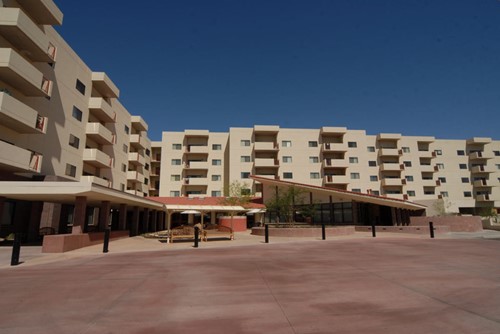 Assisted Living
Friendship Village Of Tempe
Tempe, AZ
 Senior Care
Friendship Village Tempe Senior Living
Tempe, AZ
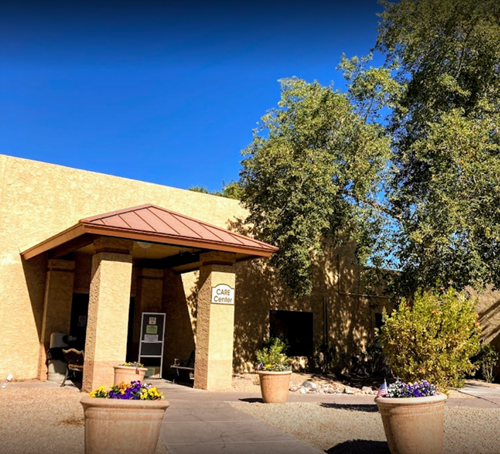 Assisted Living
Tempe Post Acute
Tempe, AZ
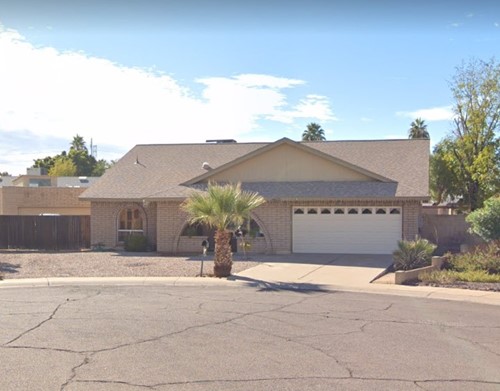 Assisted Living
Dorsey Lane Assisted Living Home
Tempe, AZ
 Assisted Living
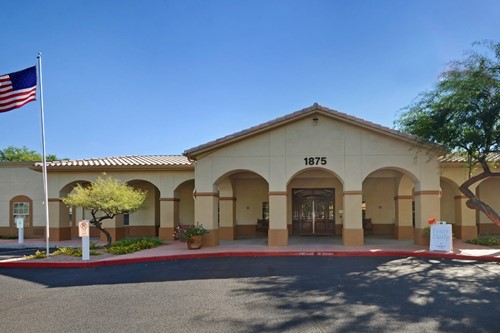
Inspirations of Tempe
Tempe, AZ
Madrona Hospice Az, LLC
Tempe, AZ
City Guide
Explore Tempe
Free Quotes
Get quotes from local pros in Tempe
Tell us what you need and we’ll pass it to companies that serve your area. It’s free, and there’s no obligation.

Compare Tempe with any city
See how it stacks up on cost, income, and quality of life.
Start Comparing