



City Profile
Mesa, Arizona
USA · Comprehensive city data and intelligence
Mesa, Arizona, located just east of Phoenix in the heart of the Salt River Valley, has evolved from a historic agricultural community founded in 1878 into the third-largest city in the state. Characterized by its blend of vibrant desert landscapes and modern urban development, Mesa serves as a major cultural and economic cornerstone of the Phoenix metropolitan area's East Valley. People are increasingly drawn to Mesa for its sunny climate, family-friendly neighborhoods, and slightly more relaxed pace compared to downtown Phoenix while still offering robust metropolitan amenities.
Arizona offers a diverse landscape, from low-elevation deserts to mountainous regions, and is known for its abundant sunshine, averaging around 300 sunny days per year. The state's economy is moderately diverse, with major industries including manufacturing (especially aerospace, defense, transportation, and electronics), healthcare, real estate, tourism, technology, bioscience, agriculture (cotton, citrus), and mining (copper). While the cost of living in Arizona is generally higher than the national average, particularly for housing, the state's mild winters and opportunities for outdoor activities contribute to an appealing lifestyle for many.
How this 62/100 was calculated five components, with every reading behind them
| Component | Readings used | Points | Weight | Contributes |
|---|---|---|---|---|
| Safety | Safety score: 70 / 100 | 70.0 | 30% | 21.0 |
| Affordability | Cost of living index (100 = national baseline): 98.0 | 46.3 | 25% | 11.6 |
| Economy & jobs | Median household income: $82,752 Income needed to live here: $58,000 Unemployment rate: 4.6% | 72.9 | 20% | 14.6 |
| Growth | Population growth rate: 0.43% Job growth rate: 2.2% | 49.9 | 15% | 7.5 |
| Business climate assessment | Business climate assessment: 72 / 100 | 72.0 | 10% | 7.2 |
| Overall score | 61.8 | |||
Provenance.
These figures were produced by the research pass recorded as
Gemini (Tier 3 (deep think), q=70), last refreshed
11 October 2026.
They are researched estimates drawn from public sources, not a licensed data feed.
Each component is scored against fixed published endpoints, so this number is comparable with any other city and does not move as the dataset grows. Scoring framework 2026.10 — full methodology, weights and accepted ranges.

Featured Events
Happening in Mesa
Featured and sponsored events in Mesa.
Local Directory
Businesses in Mesa
Featured local businesses in Mesa.

Performance
Quality Scores
Expenses
Cost of Living
The cost of living in Mesa sits moderately above the national average, driven largely by housing demand and regional economic expansion. While everyday goods, utilities, and transportation expenses align closely with typical national baselines, rapid growth over recent years has put upward pressure on residential real estate and rental markets. Residents often find relief in competitive utility and local service pricing, though housing costs remain the primary driver of monthly household budgets.
Income
Salary Insights
Mesa boasts a diverse and dynamic economy anchored by sectors such as healthcare, aerospace, education, and technology manufacturing. Major regional employers and expanding corporate corridors—including the Falcon Field airport area and Mesa Gateway Airport business district—provide stable job opportunities and attract advanced industries. The local job market benefits from strong regional coordination within the Phoenix-Mesa-Chandler metropolitan area, fostering an environment friendly to both corporate expansion and remote workers.
The average salary in Mesa is $69,000 per year. You would need approximately $58,000 to live comfortably.
Employment
Top Industries
Weather
Climate
Mobility
Transport
Getting around Mesa relies predominantly on personal vehicle travel, supported by a well-structured grid of major freeways and arterial roadways. Public transit options include Valley Metro bus routes and the Metro Light Rail extension, which connects Mesa directly to Tempe and downtown Phoenix. While walkability is high in specific master-planned pockets or the revitalized downtown district, most daily errands and commutes across the city's 142 square miles are best navigated by car.

At a Glance
Pros & Cons
Advantages
Drawbacks
Community Q&A
Questions about Mesa
What people ask about living in and moving to Mesa, Arizona.
How does the cost of living in Mesa compare to the national average?
Mesa’s cost of living index is 98, just slightly below the national average of 100. Housing, groceries, and utilities are marginally cheaper than in many U.S. cities. Your average salary of $69,000 should cover most expenses comfortably, especially if you budget around the local average rent of $1,900/month. Overall, you can expect similar living costs to a typical U.S. city, with modest savings in certain categories...
What is the average rent for a one‑bedroom apartment in Mesa?
The average rent for a one‑bedroom apartment in Mesa is about $1,900 per month. Prices can vary by neighborhood and proximity to amenities, but this figure represents the typical market rate. When searching, consider listings that specify the unit size and check recent rental data on local real‑estate websites or rental platforms for the most current rates.
What kinds of jobs are most common in Mesa?
Mesa has a diverse employment landscape with significant opportunities in healthcare, education, manufacturing, and retail. The technology sector is growing, especially in software development and IT support, reflecting the broader trends in the Phoenix metropolitan area. For specific openings, look at local job boards and the city’s economic development portal, which lists major employers and industry clusters.
How are the public schools in Mesa rated?
Public schools in Mesa vary across districts, but many receive above‑average ratings for academic performance and extracurricular programs. The district’s official website provides detailed reports on school performance, enrollment, and available programs. Reviewing these reports can help you identify schools that match your children’s needs and interests.
Is Mesa a safe place to live?
Mesa’s safety score is 70 out of 100, indicating a moderate level of safety compared to national averages. Crime rates differ by neighborhood; some areas have lower incidents, while others may experience higher rates. Checking the city’s public safety data portal and local neighborhood watch reports can give you a clearer picture of specific districts.
What public transportation options are available in Mesa?
Mesa is served by a regional transit authority that offers bus routes connecting to the surrounding metropolitan area. The service includes regular routes, express lines, and connections to nearby airports. For schedules, fare information, and route maps, consult the transit authority’s website or mobile app, which also provides real‑time bus tracking.
What healthcare facilities are nearby in Mesa?
Mesa hosts several hospitals and specialty clinics that provide comprehensive medical services, including emergency care, surgical procedures, and outpatient services. The city’s health department website lists all licensed facilities, their specialties, and patient ratings. Reviewing these resources will help you choose a healthcare provider that meets your needs.
What are popular outdoor activities in Mesa?
Mesa offers numerous parks, nature preserves, and recreational trails that cater to hikers, bikers, and families. Popular spots include large regional parks with scenic trails, desert gardens, and community centers that host outdoor events. Checking the city’s parks and recreation page will provide maps, trail difficulty levels, and event schedules.
What should I know about moving into Mesa?
When moving to Mesa, consider the timing of the year—spring and early summer are peak moving seasons. Research local utility providers, register for city services, and explore neighborhood options early. It’s also helpful to review the city’s official website for resident resources, such as waste collection schedules, parking regulations, and community guidelines.
What’s the overall vibe of Mesa for families?
Mesa is known for its family-friendly atmosphere, offering a mix of suburban neighborhoods, parks, and community events. The city hosts regular festivals, farmers markets, and cultural activities that foster a sense of community. Families often appreciate the variety of recreational options and the availability of schools and healthcare facilities. Visiting local community centers and attending neighborhood meetings...
Some answers here were drafted as a starting point and may be out of date. Live in Mesa? Add your own.
FAQ
Frequently Asked Questions
Businesses for Sale in Mesa
Explore active acquisition & franchise opportunities .

Senior Care in Mesa
258 assisted living, nursing & memory care facilities in Mesa.
 Senior Care
Red Mountain Assisted Living
Mesa, AZ
 Senior Care
Advanced Home Health and Hospice of Arizona
Mesa, AZ
 Senior Care
Advanced Health Care of Mesa
Mesa, AZ
 Senior Care
Desert Blossom Health and Rehabilitation
Mesa, AZ
 Senior Care
Caring Heart Terrace
Mesa, AZ
 Senior Care
Amani Care Homes
Mesa, AZ
 Senior Care
Infinite Health Care
Mesa, AZ
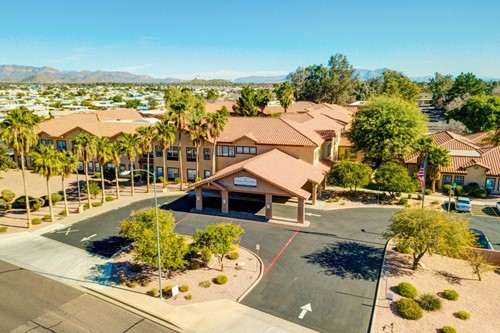 Assisted Living
Broadway Village Mesa
Mesa, AZ
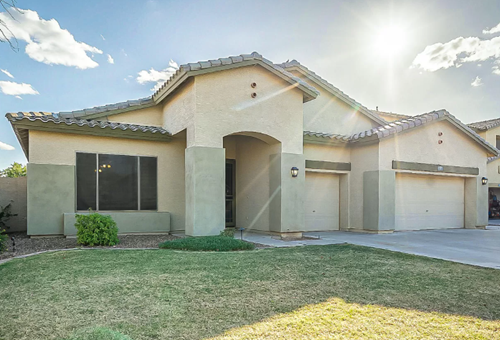 Assisted Living
Alder Leaf at Summit Shadows
Mesa, AZ
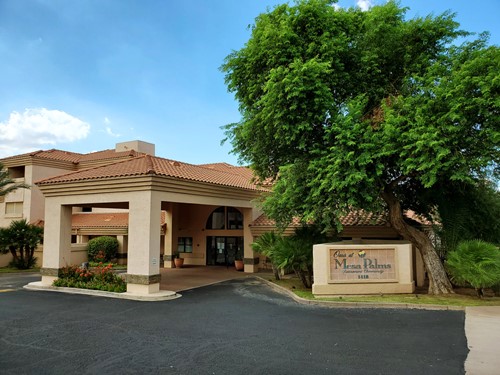 Senior Care
Oasis at Mesa Palms
Mesa, AZ
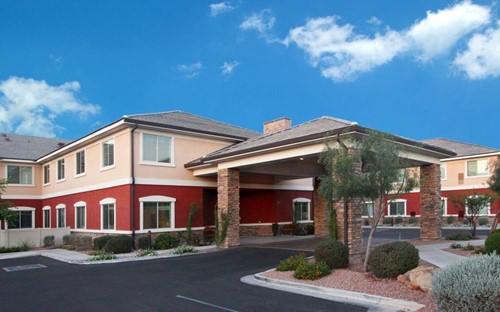 Assisted Living
Legacy Retirement Residence of Mesa
Mesa, AZ
 Assisted Living
Mesa Christian Health And Rehabilitation Center
Mesa, AZ
City Guide
Explore Mesa
Free Quotes
Get quotes from local pros in Mesa
Tell us what you need and we’ll pass it to companies that serve your area. It’s free, and there’s no obligation.

Compare Mesa with any city
See how it stacks up on cost, income, and quality of life.
Start Comparing