



City Profile
Conway, Arkansas
USA · Comprehensive city data and intelligence
Conway, Arkansas, located in Faulkner County just north of Little Rock, is a thriving regional hub deeply rooted in Central Arkansas history. Founded in 1872 along the Little Rock and Fort Smith Railroad, the city has evolved from a quiet railway stop into one of the fastest-growing municipalities in the state, surpassing 70,000 residents. Widely known as 'The City of Colleges,' Conway hosts three distinct post-secondary institutions—the University of Central Arkansas, Hendrix College, and Central Baptist College—which infuse the community with an energetic, youthful spirit, cultural events, and an educated talent pool.
Characterized by a blend of historic downtown charm and modern suburban expansion, Conway serves as a magnetic center for families, young professionals, and retirees alike. The city balances economic momentum with a strong sense of community, featuring active neighborhood associations, local arts festivals, and extensive community parks. Its strategic location along Interstate 40 offers seamless connectivity to the state capital while maintaining a distinct, independent identity defined by civic pride and robust local leadership.
People move to Conway for its unique combination of big-city economic opportunities and small-town livability. The city frequently ranks high in quality-of-life metrics due to its low cost of living, exceptional educational infrastructure, and family-friendly atmosphere. Whether drawn by the thriving local job market, excellent healthcare facilities, or picturesque natural surroundings near the Arkansas River and Lake Conway, residents find a welcoming and forward-thinking environment to put down roots.
Arkansas, known as "The Natural State," offers diverse geography from the Ozark and Ouachita Mountains to the Mississippi River Delta, fostering a relaxed, nature-oriented lifestyle. The economy, historically rooted in agriculture with rice and poultry as leading products, has diversified to include significant contributions from manufacturing (food products, chemicals, wood and paper products, aerospace parts) and a growing service sector, largely influenced by Walmart's presence. Living in Arkansas is generally affordable, with a cost of living consistently below the national average, particularly for housing. The state experiences a humid subtropical climate with mild winters and hot, humid summers, and while property taxes are low, sales taxes can be high.
How this 68/100 was calculated five components, with every reading behind them
| Component | Readings used | Points | Weight | Contributes |
|---|---|---|---|---|
| Safety | Safety score: 72 / 100 | 72.0 | 30% | 21.6 |
| Affordability | Cost of living index (100 = national baseline): 86.0 | 61.3 | 25% | 15.3 |
| Economy & jobs | Median household income: $63,004 Income needed to live here: $48,000 Unemployment rate: 3.9% | 70.2 | 20% | 14.0 |
| Growth | Population growth rate: 1.7% Job growth rate: 2.4% | 67.8 | 15% | 10.2 |
| Business climate assessment | Business climate assessment: 72 / 100 | 72.0 | 10% | 7.2 |
| Overall score | 68.3 | |||
Provenance.
These figures were produced by the research pass recorded as
Gemini (Tier 2 (reasoned), q=80), last refreshed
11 October 2026.
They are researched estimates drawn from public sources, not a licensed data feed.
Each component is scored against fixed published endpoints, so this number is comparable with any other city and does not move as the dataset grows. Scoring framework 2026.10 — full methodology, weights and accepted ranges.

Featured Events
Happening in Conway
Featured and sponsored events in Conway.
Local Directory
Businesses in Conway
Featured local businesses in Conway.

Performance
Quality Scores
Expenses
Cost of Living
The cost of living in Conway is notably lower than the national average, making it an attractive destination for budget-conscious families and professionals seeking financial breathing room. According to local economic data and regional indices, everyday expenses such as groceries, utilities, and transportation run well below typical U.S. benchmarks, helping stretch household budgets further. Housing costs, while experiencing upward pressure due to rapid population growth, remain quite accessible compared to coastal metropolitan areas.
While affordable housing and lower service costs drive overall expenses down, certain segments like dining out, entertainment, and specialized healthcare align closer to regional medians. Property taxes and utility rates are generally manageable, though summer cooling costs can elevate electricity bills during peak heat months. Overall, the favorable alignment between local wages and everyday expenses ensures a high purchasing power parity for Conway residents.
Income
Salary Insights
Conway boasts a dynamic and diversified job market that consistently outpaces national employment growth trends. Major economic drivers include higher education, healthcare, technology, advanced manufacturing, and distribution, anchored by prominent employers such as the University of Central Arkansas, Acxiom, and expanding logistics and corporate hubs like Westrock Coffee. The city's deliberate economic development strategies have cultivated an entrepreneurial climate, attracting startups and light industrial projects that double the average rate of job creation seen nationwide.
The remote work scene has also found a comfortable home in Conway, supported by reliable high-speed broadband infrastructure, local co-working spaces, and a growing community of digital professionals. Because a significant portion of the workforce lives and works within Faulkner County, commute times remain short, fostering a localized work-life balance that larger metropolitan areas struggle to provide. Continuous cooperation between city leadership and local chambers of commerce ensures a steady influx of commercial investment and employment opportunities.
The average salary in Conway is $58,000 per year. You would need approximately $48,000 to live comfortably.
Employment
Top Industries
Weather
Climate
Mobility
Transport
Getting around Conway relies primarily on personal vehicles, with a well-maintained road network centered around Interstate 40 providing direct access to Little Rock and surrounding regions. While public transit options are limited, the city's compact layout ensures that most commercial, educational, and residential zones are within a 15-to-20-minute drive. Average commute times are notably shorter than the national average, reducing daily transit friction for local workers.
Walkability varies by neighborhood, with the historic downtown core and areas immediately surrounding the college campuses offering high pedestrian friendliness and bike lanes. Suburban extensions lean more toward car dependency, yet traffic congestion remains relatively low compared to major metropolitan centers, preserving an efficient daily flow of traffic.

At a Glance
Pros & Cons
Advantages
Drawbacks
Head to Head
Compare Conway
Community Q&A
Questions about Conway
What people ask about living in and moving to Conway, Arkansas.
How does the cost of living in Conway compare to the national average?
Conway’s cost‑of‑living index is 86, meaning expenses are about 14 % lower than the national average of 100. Everyday items such as groceries, utilities, and transportation tend to cost less, while housing is also more affordable. With an average rent of $1,103 per month, you’ll likely spend a smaller share of your income on rent than in many larger metros. Keep in mind that personal spending habits and family size a...
What is the typical rent for a one‑bedroom apartment in Conway?
The average rent across all housing types in Conway is $1,103 per month. One‑bedroom units usually fall near that average, though exact prices depend on location, age of the building, and amenities. Apartments closer to the downtown area or near major employers may be slightly higher, while units farther out or in older complexes can be lower. To get current listings, check regional rental websites, local classifieds...
What are the average salaries like in Conway?
The median annual salary in Conway is $58,000. This figure reflects a mix of industries, including education, healthcare, manufacturing, and retail. Compared with the national median, Conway’s wages are competitive, especially when combined with the lower cost of living. When evaluating specific job offers, consider the full compensation package, including benefits, overtime, and any cost‑of‑living adjustments. Local...
How are the public schools rated in Conway?
Conway is served by a public school district that includes several elementary, middle, and high schools. State education reports and national ranking sites provide test‑score data, graduation rates, and student‑to‑teacher ratios for each school. Generally, the district’s schools perform at or slightly above state averages, offering a range of academic and extracurricular programs. For the most accurate and current in...
Is Conway a safe place to live?
Conway has a safety score of 72 out of 100, indicating a moderate level of safety relative to other U.S. cities. Property crime rates tend to be higher than violent crime, which aligns with many mid‑size towns. Neighborhood safety can vary, so it’s wise to review recent crime maps or reports provided by the city’s police department or state public safety websites. Talking to residents, checking local community forums...
What public transportation options are available in Conway?
Conway offers a municipal transit service that operates fixed‑route buses covering the downtown core, residential areas, and major employment centers. Schedules and route maps are posted on the city’s transportation department website. In addition, the city participates in regional ride‑share programs and has a network of bike lanes and pedestrian pathways for non‑motorized travel. For longer trips, intercity bus lin...
Where can I find hospitals or clinics in Conway?
Conway is home to a regional medical center that provides emergency, inpatient, and outpatient services, as well as several community health clinics offering primary care, dental, and specialty services. The city’s health department website lists these facilities, along with contact numbers and hours of operation. For specialized treatment, larger hospitals in nearby cities are accessible by car or regional transport...
What recreational activities are popular in Conway?
Conway offers a mix of outdoor and cultural options. There are city parks with walking trails, sports fields, and playgrounds, plus a nearby lake that supports fishing, kayaking, and picnicking. The downtown area hosts seasonal festivals, live music, and art exhibitions, while local museums and galleries showcase regional history and creativity. The city’s parks and recreation department maintains a calendar of event...
What should I know about utilities and services when moving to Conway?
When you move to Conway, you’ll need to arrange electricity, natural gas, water, sewage, internet, and trash collection. The city’s public works department provides information on the primary utility providers and how to start service, often with online sign‑up forms. For broadband and cable, several regional companies operate in the area; comparing plans on their websites will help you find a package that fits your...
What’s the overall vibe of living in Conway?
Conway blends a small‑town atmosphere with the energy of a college‑town environment. Residents enjoy a relatively low cost of living, a moderate safety rating, and access to both urban amenities and outdoor recreation. The community is known for its friendly neighborhoods, local events, and a growing economy anchored by education, healthcare, and manufacturing sectors. Because the city is expanding, new housing devel...
Some answers here were drafted as a starting point and may be out of date. Live in Conway? Add your own.
FAQ
Frequently Asked Questions
Senior Care in Conway
10 assisted living, nursing & memory care facilities in Conway.
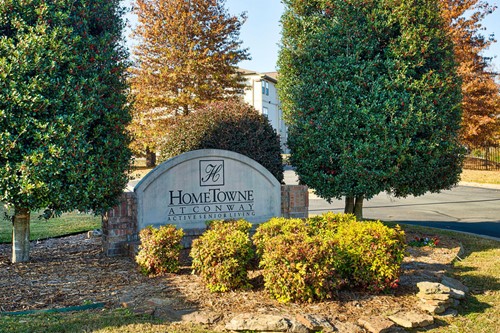 Senior Care
HomeTowne at Conway
Conway, AR
 Assisted Living
Salem Place Nursing And Rehabilitation Center
Conway, AR
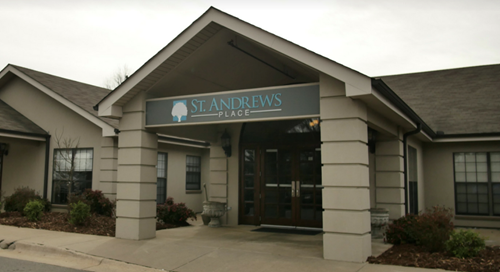 Assisted Living
St Andrews Healthcare
Conway, AR
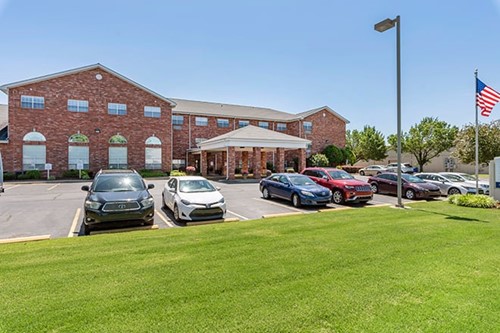 Assisted Living
Brookdale Conway
Conway, AR
Superior Health & Rehab
Conway, AR
Home Instead - Conway
Conway, AR
Village Park of Conway
Conway, AR
Conway Healthcare And Rehabilitation Center
Conway, AR
Conway Regional Homecare Svcs
Conway, AR
Heritage Living Center
Conway, AR
Free Quotes
Get quotes from local pros in Conway
Tell us what you need and we’ll pass it to companies that serve your area. It’s free, and there’s no obligation.

Compare Conway with any city
See how it stacks up on cost, income, and quality of life.
Start Comparing