



City Profile
Fayetteville, Arkansas
USA · Comprehensive city data and intelligence
Fayetteville, Arkansas, nestled in the scenic Ozark Mountains, is a vibrant city known for its natural beauty, strong community, and as the home of the University of Arkansas. It consistently ranks as one of the best places to live in the U.S., attracting residents with its blend of outdoor activities, cultural attractions, and a welcoming atmosphere. The city's character is shaped by its Razorback pride, evident in the revitalized downtown area, particularly Dickson Street, which serves as a hub for live music, arts, and a diverse culinary scene.
Fayetteville has experienced significant growth, with its population estimated at 106,623 in 2025, making it the second-most populous city in Arkansas. People are drawn to Fayetteville for its balance of affordability, amenities, and a high quality of life, making it an appealing destination for young professionals, families, and students alike. The city's commitment to preserving its natural surroundings, with numerous parks, trails, and lakes, further enhances its appeal as a desirable place to call home.
Arkansas, known as "The Natural State," offers diverse geography from the Ozark and Ouachita Mountains to the Mississippi River Delta, fostering a relaxed, nature-oriented lifestyle. The economy, historically rooted in agriculture with rice and poultry as leading products, has diversified to include significant contributions from manufacturing (food products, chemicals, wood and paper products, aerospace parts) and a growing service sector, largely influenced by Walmart's presence. Living in Arkansas is generally affordable, with a cost of living consistently below the national average, particularly for housing. The state experiences a humid subtropical climate with mild winters and hot, humid summers, and while property taxes are low, sales taxes can be high.
How this 59/100 was calculated five components, with every reading behind them
| Component | Readings used | Points | Weight | Contributes |
|---|---|---|---|---|
| Safety | Safety score: 45 / 100 | 45.0 | 30% | 13.5 |
| Affordability | Cost of living index (100 = national baseline): 91.0 | 55.0 | 25% | 13.8 |
| Economy & jobs | Median household income: $66,237 Income needed to live here: $55,000 Unemployment rate: 3.9% | 63.4 | 20% | 12.7 |
| Growth | Population growth rate: 2.1% Job growth rate: 2.7% | 75.8 | 15% | 11.4 |
| Business climate assessment | Business climate assessment: 75 / 100 | 75.0 | 10% | 7.5 |
| Overall score | 58.8 | |||
Provenance.
These figures were produced by the research pass recorded as
Gemini (Tier 2 (reasoned), q=94 ✓ perfect), last refreshed
29 September 2026.
They are researched estimates drawn from public sources, not a licensed data feed.
Each component is scored against fixed published endpoints, so this number is comparable with any other city and does not move as the dataset grows. Scoring framework 2026.10 — full methodology, weights and accepted ranges.

Featured Events
Happening in Fayetteville
Featured and sponsored events in Fayetteville.
Local Directory
Businesses in Fayetteville
Featured local businesses in Fayetteville.

Performance
Quality Scores
Expenses
Cost of Living
The cost of living in Fayetteville is notably lower than the national average, running approximately 8.6% below the U.S. average according to 2024 data. This affordability extends across various categories, including housing, utilities, transportation, and healthcare expenses. While the median home value in Fayetteville was $349,600 in 2024, which is slightly higher than the national average, the overall cost index remains favorable.
Rent for a one-bedroom apartment in Downtown Fayetteville averaged around $1,402 per month as of September 2026, with two-bedroom apartments averaging $1,608. The lower cost of living contributes significantly to the city's high livability and affordability scores, making it an attractive option for individuals and families seeking a good quality of life without the burden of high expenses.
Income
Salary Insights
Fayetteville's economy is robust, with strong job growth that has outpaced the national rate since 2011. Employment in Fayetteville, AR grew at a rate of 3.72% from 2023 to 2024, with the Fayetteville-Springdale-Rogers Metropolitan Statistical Area (MSA) experiencing an average annual job growth of 2.7% in the 12 months ending March 2025. The city's economic resilience is further highlighted by Arkansas having one of the fastest-growing economies in the nation in 2024.
The most common employment sectors in Fayetteville as of 2024 include Health Care & Social Assistance, Educational Services, and Retail Trade. Major employers and ongoing expansions, such as those at the University of Arkansas for Medical Sciences and the completion of a new Walmart corporate campus, are expected to continue driving job creation. The city also fosters an entrepreneurial climate, with new programs introduced in 2024 to support small businesses and entrepreneurs. The unemployment rate in Fayetteville was 3.9% in 2026, which is below the national average.
The average salary in Fayetteville is $70,000 per year. You would need approximately $55,000 to live comfortably.
Employment
Top Industries
Weather
Climate
Mobility
Transport
Getting around Fayetteville primarily relies on personal vehicles, as public transportation options are somewhat limited, making car ownership almost a necessity for many residents. Most people in Fayetteville drove alone to work in 2024, and the average commute time was 18.5 minutes, which is shorter than the national average. Car ownership in Fayetteville is approximately the same as the national average, with an average of two cars per household.
Despite the car dependency, Fayetteville is recognized for its walkability, with a Walk Score of 89 out of 100, indicating that most errands can be accomplished on foot. The city has invested in its pedestrian infrastructure, with over 50 miles of paved trails and 75% of residents living within a half-mile of a trail. While traffic can be congested during major university events, the city's active transportation plans aim to further enhance walkability and bikeability.

At a Glance
Pros & Cons
Advantages
Drawbacks
Head to Head
Compare Fayetteville
Community Q&A
Questions about Fayetteville
What people ask about living in and moving to Fayetteville, Arkansas.
What’s the overall vibe of living in Fayetteville?
Fayetteville blends a small‑town feel with the energy of a college community. The cost of living is modest, with an average rent of $1,402 and a median salary of $70,000, making everyday expenses manageable. While the safety score suggests some caution, many neighborhoods are quiet and family‑friendly. Residents enjoy easy access to outdoor recreation, a growing arts scene, and a variety of dining options. The city’s...
How does Fayetteville's cost of living compare to the national average?
Fayetteville's cost of living index is 91, meaning it is about 9 % cheaper than the national average of 100. Everyday expenses such as groceries, utilities, and transportation tend to be lower, while housing costs are close to the national median. With an average rent of $1,402 per month, you’ll find that your housing budget stretches further here than in many larger metros. Keep in mind that personal spending habits...
Is Fayetteville a safe place to live?
Fayetteville’s safety score is 45.0 out of 100, indicating higher crime levels than many suburban areas. Crime tends to be concentrated in specific neighborhoods, while many residential districts experience relatively low incident rates. Prospective residents should review crime maps and statistics available from the city’s public safety department or state law‑enforcement websites. Additionally, speaking with local...
What should I know about utilities and services when moving to Fayetteville?
When you move to Fayetteville, you’ll need to arrange electricity, natural gas, water, and waste services. The city’s utility providers have online portals where you can set up new accounts, schedule service start dates, and view rate structures. Internet and cable options are offered by several regional providers; compare plans for speed and price. Don’t forget to register your vehicle and obtain a state driver’s li...
How are the public schools rated in Fayetteville?
Fayetteville is served by a public school district that includes several elementary schools, middle schools, and a high school. Performance ratings are published annually by the state department of education and can be viewed on the district’s website. Generally, the district’s schools perform at or near state averages, with some schools receiving higher marks for academic achievement and extracurricular programs. Pa...
What public transportation options exist in Fayetteville?
The city operates a public transit system that includes fixed‑route buses covering most of the urban core and surrounding neighborhoods. Service hours typically run from early morning until early evening on weekdays, with reduced weekend schedules. For real‑time routes, fares, and service updates, consult the city transit authority’s website or mobile app. Additionally, the city maintains a network of bike lanes and...
What is the typical rent for a one‑bedroom apartment in Fayetteville?
The average rent across Fayetteville is $1,402 per month, which includes a mix of apartments, townhomes, and single‑family units. One‑bedroom apartments in central areas tend to be at or slightly above this average, while options farther from the core may be lower. To gauge current listings, check regional rental websites, local classifieds, or the city’s housing authority portal, which often provides up‑to‑date mark...
What recreational activities are popular in Fayetteville?
Fayetteville offers a blend of outdoor and cultural amenities. The city maintains numerous parks, trail systems, and green spaces ideal for hiking, biking, and picnicking. There is a vibrant arts scene with galleries, music venues, and community festivals that occur throughout the year. For specific event calendars, check the city’s cultural affairs webpage or the regional tourism board, which list upcoming concerts,...
What are the average salaries like in Fayetteville?
The median annual salary in Fayetteville is about $70,000, which is comparable to many mid‑size U.S. cities. This figure reflects a range of industries, including education, healthcare, manufacturing, and retail. For recent graduates, entry‑level positions may start below the median, but the city’s relatively low cost of living helps offset lower wages. Job seekers should explore the city’s employment portals, the re...
Where can I find hospitals or clinics in Fayetteville?
Fayetteville has a major medical center that provides emergency services, inpatient care, and a variety of specialty clinics. In addition, there are several outpatient clinics and urgent‑care facilities spread throughout the city. For detailed provider lists, insurance network directories, and appointment scheduling, visit the health system’s website or the state health department’s provider lookup tool. It’s also us...
Some answers here were drafted as a starting point and may be out of date. Live in Fayetteville? Add your own.
FAQ
Frequently Asked Questions
Businesses for Sale in Fayetteville
Explore active acquisition & franchise opportunities .

Senior Care in Fayetteville
15 assisted living, nursing & memory care facilities in Fayetteville.
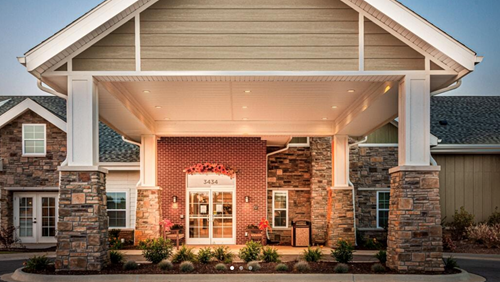 Assisted Living
The Langford of Fayetteville
Fayetteville, AR
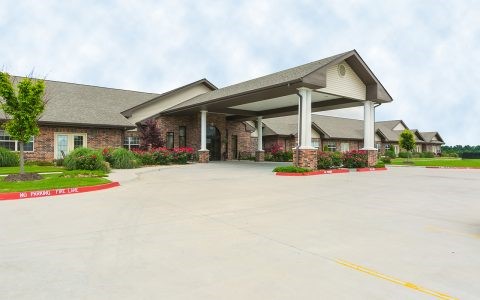 Assisted Living
The Bungalows at Fayetteville
Fayetteville, AR
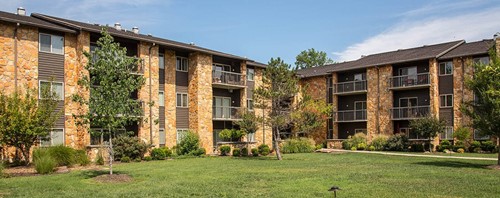 Senior Care
Butterfield Trail Village
Fayetteville, AR
 Assisted Living
Butterfield Trail Senior Living
Fayetteville, AR
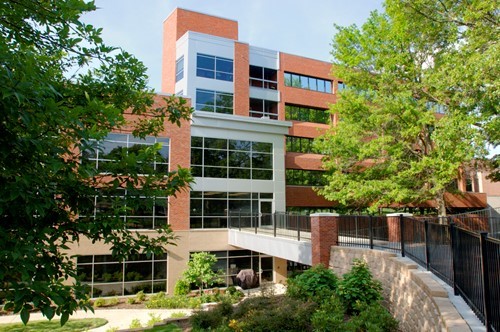 Assisted Living
Arkansas Veterans Home At Fayetteville
Fayetteville, AR
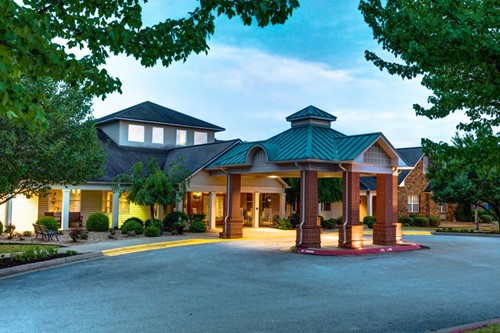 Assisted Living
The Brookstone
Fayetteville, AR
Fayetteville Health And Rehabilitation Center
Fayetteville, AR
Encompass Health Home Health
Fayetteville, AR
Encompass Health Home Health
Fayetteville, AR
BrightStar Care - Fayetteville & Bentonville
Fayetteville, AR
Washington Regional Hospice
Fayetteville, AR
North Hills Life Care And Rehab
Fayetteville, AR
City Guide
Explore Fayetteville
Free Quotes
Get quotes from local pros in Fayetteville
Tell us what you need and we’ll pass it to companies that serve your area. It’s free, and there’s no obligation.

Compare Fayetteville with any city
See how it stacks up on cost, income, and quality of life.
Start Comparing