



City Profile
Fort Smith, Arkansas
USA · Comprehensive city data and intelligence
Fort Smith is a historically rich city situated along the Arkansas River on the border with Oklahoma, serving as the commercial and cultural hub of the Western Arkansas River Valley. Founded as a military post in 1817, the city played a pivotal role in the westward expansion of the United States and retains a vibrant frontier heritage showcased at the Fort Smith National Historic Site. Today, it balances its storied past with a growing economic footprint, featuring a revitalized downtown, diverse neighborhoods, and a welcoming community atmosphere that attracts new residents seeking southern hospitality and affordable living.
Arkansas, known as "The Natural State," offers diverse geography from the Ozark and Ouachita Mountains to the Mississippi River Delta, fostering a relaxed, nature-oriented lifestyle. The economy, historically rooted in agriculture with rice and poultry as leading products, has diversified to include significant contributions from manufacturing (food products, chemicals, wood and paper products, aerospace parts) and a growing service sector, largely influenced by Walmart's presence. Living in Arkansas is generally affordable, with a cost of living consistently below the national average, particularly for housing. The state experiences a humid subtropical climate with mild winters and hot, humid summers, and while property taxes are low, sales taxes can be high.
How this 62/100 was calculated five components, with every reading behind them
| Component | Readings used | Points | Weight | Contributes |
|---|---|---|---|---|
| Safety | Safety score: 62 / 100 | 62.0 | 30% | 18.6 |
| Affordability | Cost of living index (100 = national baseline): 82.0 | 66.3 | 25% | 16.6 |
| Economy & jobs | Median household income: $54,816 Income needed to live here: $42,000 Unemployment rate: 4.1% | 68.4 | 20% | 13.7 |
| Growth | Population growth rate: 0.44% Job growth rate: 1.5% | 43.0 | 15% | 6.5 |
| Business climate assessment | Business climate assessment: 66 / 100 | 66.0 | 10% | 6.6 |
| Overall score | 61.9 | |||
Provenance.
These figures were produced by the research pass recorded as
Gemini (ungrounded) (q=55, partial — below threshold), last refreshed
11 October 2026.
They are researched estimates drawn from public sources, not a licensed data feed.
Each component is scored against fixed published endpoints, so this number is comparable with any other city and does not move as the dataset grows. Scoring framework 2026.10 — full methodology, weights and accepted ranges.

Featured Events
Happening in Fort Smith
Featured and sponsored events in Fort Smith.
Local Directory
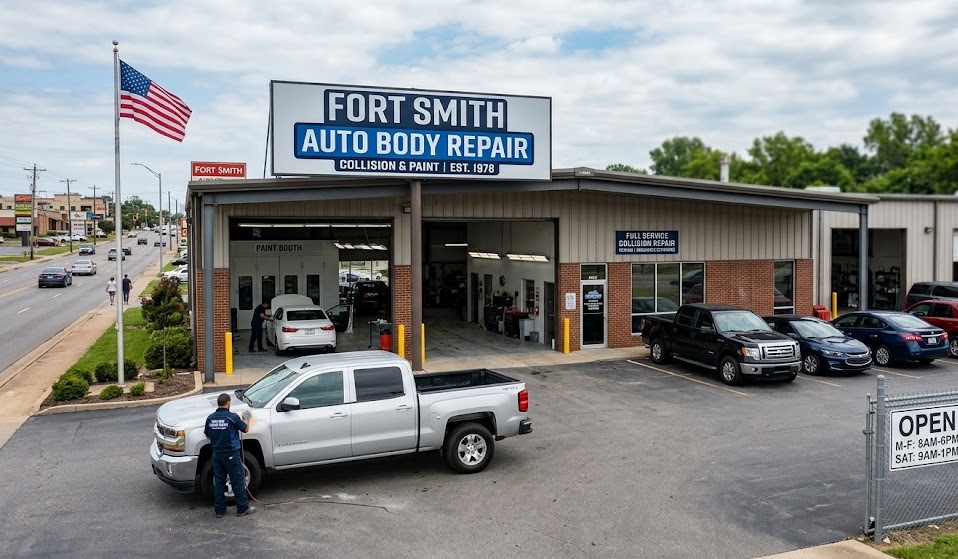
Businesses in Fort Smith
Featured local businesses in Fort Smith.

Performance
Quality Scores
Expenses
Cost of Living
The cost of living in Fort Smith is notably lower than the national average, making it an attractive destination for budget-conscious families, retirees, and young professionals. Housing costs, grocery prices, and utility expenses all trend well below standard U.S. benchmarks, allowing residents to experience greater purchasing power on modest incomes. This high level of economic accessibility is a primary driver for newcomers looking to escape high-cost coastal and metropolitan regions without sacrificing quality of life.
Income
Salary Insights
Fort Smith features a resilient and diverse economy deeply rooted in manufacturing, healthcare, logistics, and food processing. Major regional employers include manufacturing leaders, large health systems like Mercy and Baptist Health, and transportation giants like ArcBest, providing a steady stream of career opportunities across various skill levels. While traditional blue-collar industries anchor the local job market, emerging sectors in technology integration and advanced manufacturing continue to expand the region's professional landscape.
The average salary in Fort Smith is $50,400 per year. You would need approximately $42,000 to live comfortably.
Employment
Top Industries
Weather
Climate
Mobility
Transport
Getting around Fort Smith relies primarily on personal vehicles, as the city is structured around a comprehensive grid of highways and major thoroughfares that keep traffic congestion low. While public transit options are limited, average commute times are short, allowing residents to navigate across town quickly. The area also features developing pedestrian and cycling paths, particularly in newer developments like Chaffee Crossing.

At a Glance
Pros & Cons
Advantages
Drawbacks
Head to Head
Compare Fort Smith
Community Q&A
Questions about Fort Smith
What people ask about living in and moving to Fort Smith, Arkansas.
FAQ
Frequently Asked Questions
Businesses for Sale in Fort Smith
Explore active acquisition & franchise opportunities .
Senior Care in Fort Smith
18 assisted living, nursing & memory care facilities in Fort Smith.
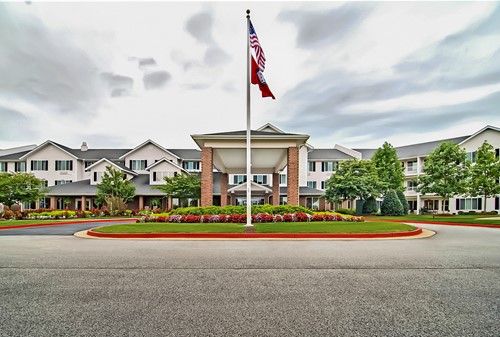 Senior Care
Morada Fort Smith
Fort Smith, AR
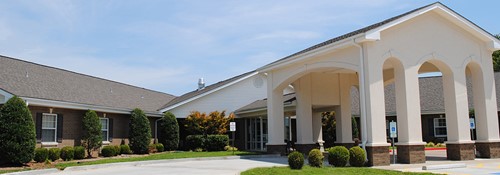 Assisted Living
Fianna Hills Nursing And Rehabilitation Center
Fort Smith, AR
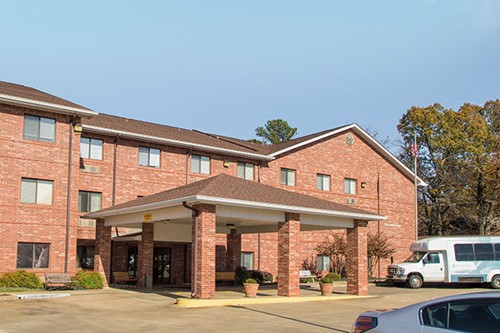 Assisted Living
Brookdale Fort Smith
Fort Smith, AR
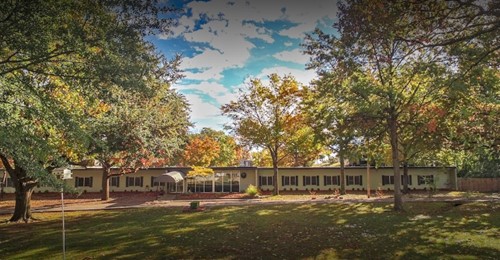 Assisted Living
The Blossoms At Fort Smith Rehab & Nursing Center
Fort Smith, AR
Mercy Hospice
Fort Smith, AR
Mercy Home Health
Fort Smith, AR
Methodist Health And Rehab
Fort Smith, AR
Covington Court Health And Rehabilitation Center
Fort Smith, AR
Kindred At Home 1
Fort Smith, AR
Chapel Ridge Health And Rehab
Fort Smith, AR
Sparks Health System Home Health
Fort Smith, AR
Home Instead - Fort Smith
Fort Smith, AR
City Guide
Explore Fort Smith
Free Quotes
Get quotes from local pros in Fort Smith
Tell us what you need and we’ll pass it to companies that serve your area. It’s free, and there’s no obligation.

Compare Fort Smith with any city
See how it stacks up on cost, income, and quality of life.
Start Comparing