



City Profile
Greenwich, Connecticut
USA · Comprehensive city data and intelligence
Greenwich, Connecticut, is a wealthy suburban town in Fairfield County, known for its affluent community, historic charm, and proximity to New York City. Incorporated in 1642, it has evolved from a colonial settlement into a prominent financial hub and a desirable residential location for executives and families seeking a high quality of life. Its picturesque coastline, rolling hills, and well-preserved architecture contribute to its appeal, drawing residents who value both natural beauty and sophisticated amenities.
Connecticut, located in southern New England, offers a blend of historic charm, natural beauty, and proximity to major cities like New York and Boston. The state's economy is robust, with major industries including finance and insurance, manufacturing (especially aerospace and defense), and healthcare. Living in Connecticut generally entails a higher cost of living than the national average, particularly for housing and utilities. The climate features four distinct seasons with cold, snowy winters and warm, humid summers, and residents enjoy a lifestyle that balances suburban tranquility with access to cultural attractions, outdoor activities, and strong public education.
How this 55/100 was calculated five components, with every reading behind them
| Component | Readings used | Points | Weight | Contributes |
|---|---|---|---|---|
| Safety | Safety score: 85 / 100 | 85.0 | 30% | 25.5 |
| Affordability | Cost of living index (100 = national baseline): 178.0 | 0.0 | 25% | 0.0 |
| Economy & jobs | Median household income: no usable reading Income needed to live here: $130,000 Unemployment rate: 4.1% | 73.8 | 20% | 14.8 |
| Growth | Population growth rate: 0.83% Job growth rate: 1.8% | 50.9 | 15% | 7.6 |
| Business climate assessment | Business climate assessment: 70 / 100 | 70.0 | 10% | 7.0 |
| Overall score | 54.9 | |||
Provenance.
These figures were produced by the research pass recorded as
Gemini (Tier 3 (deep think), q=77), last refreshed
29 August 2026.
They are researched estimates drawn from public sources, not a licensed data feed.
Each component is scored against fixed published endpoints, so this number is comparable with any other city and does not move as the dataset grows. Scoring framework 2026.10 — full methodology, weights and accepted ranges.

Featured Events
Happening in Greenwich
Featured and sponsored events in Greenwich.
Local Directory
Businesses in Greenwich
Featured local businesses in Greenwich.

Performance
Quality Scores
Expenses
Cost of Living
Greenwich is one of the most expensive places to live in the United States, with a cost of living index of 178, significantly higher than the national average. Housing costs are the primary driver of this expense, with both rental rates and home purchase prices far exceeding national benchmarks. Beyond housing, everyday expenses for groceries, utilities, and services also tend to be higher, reflecting the town's exclusive market.
Income
Salary Insights
The economy of Greenwich is heavily dominated by the financial services sector, particularly hedge funds and investment management firms, making it a significant global financial center. Beyond finance, professional services, healthcare, and retail also form key pillars of the local job market. The town experiences steady job growth, attracting professionals seeking high-paying opportunities in specialized industries, though the high cost of living can be a factor for those relocating.
The average salary in Greenwich is $85,000 per year. You would need approximately $130,000 to live comfortably.
Employment
Top Industries
Weather
Climate
Mobility
Transport
Transportation in Greenwich is predominantly car-dependent, as indicated by its moderate walkability and low transit scores. The average commute time is approximately 28 minutes, and residents rely heavily on personal vehicles for daily travel. While public transit options exist, they are not as comprehensive or widely utilized as in more densely populated urban centers.

At a Glance
Pros & Cons
Advantages
Drawbacks
Head to Head
Compare Greenwich
Community Q&A
Questions about Greenwich
What people ask about living in and moving to Greenwich, Connecticut.
How does Greenwich’s cost of living compare to the national average?
Greenwich’s cost of living index is 178, meaning expenses are 78% above the national average. Housing, groceries, utilities, and dining out tend to be higher. If your annual salary is around $85,000, you’ll likely find that the higher rent of approximately $4,075/month consumes a significant portion of your income. Plan for transportation, childcare, and entertainment costs accordingly. Using online cost calculators...
What kind of healthcare facilities are in Greenwich?
Greenwich has several medical centers that provide primary care, specialty services, and emergency care. These facilities include general hospitals, urgent care clinics, and outpatient specialty practices. They are staffed by experienced physicians and offer a range of services from routine check-ups to advanced diagnostics. Checking the town’s health department website or local medical directories can give you detai...
Are the public schools in Greenwich considered good?
Greenwich’s public schools are generally well-regarded, with strong academic programs and extracurricular activities. The district offers a range of advanced placement courses and support services. Parents can review school performance reports, visit schools, and talk to current families to get a sense of the environment and resources available.
What types of jobs are most common in Greenwich?
Greenwich hosts a mix of professional services, including finance, insurance, and legal firms, as well as technology and consulting roles. Many positions are in corporate offices and regional headquarters. The town’s proximity to New York City also means that commuters often work in the city’s financial sector. Job seekers should look at local employment boards and industry-specific listings for current openings.
How safe is Greenwich compared to other Connecticut towns?
Greenwich scores 85.0 out of 100 on safety metrics, indicating it is safer than many other towns in the state. This score reflects lower crime rates and a strong community policing presence. Residents often report a welcoming neighborhood atmosphere and active neighborhood watch programs. Checking recent local crime statistics and speaking with residents can provide additional peace of mind.
What are popular outdoor activities in Greenwich?
The town features scenic parks, coastal trails, and waterfront access that support hiking, biking, kayaking, and sailing. Seasonal events often highlight local farms, art festivals, and community gatherings. Exploring these venues can provide a mix of nature and cultural experiences. Local tourism guides and community calendars are good resources for up‑to‑date event listings.
What is the overall vibe of Greenwich for families?
Greenwich offers a suburban feel with close proximity to urban amenities. The town balances quiet residential streets with parks, schools, and community events. It’s known for its well‑maintained neighborhoods, active local organizations, and a strong sense of community. Families often appreciate the blend of safety, educational opportunities, and recreational activities available.
What is the average rent for a one-bedroom apartment in Greenwich?
The average monthly rent for a one-bedroom apartment in Greenwich is about $4,075. This figure reflects the current market for mid-range units. Prices can vary based on location within the town, proximity to amenities, and building amenities. If you’re considering a move, compare listings online and visit neighborhoods to gauge how the rent aligns with your budget.
What public transportation options are available for commuting to NYC?
Commuters to New York City typically use regional rail services that connect Greenwich to the city’s major stations. The train schedule offers frequent trips during peak hours, and the journey takes roughly 30 to 45 minutes. For local travel, residents rely on bus routes and ride‑share services that connect neighborhoods to the train stations and major highways.
What should I know about the moving process to Greenwich?
When moving to Greenwich, plan for higher housing costs and the need to secure a rental or purchase property early. Arrange for utilities, internet, and municipal services ahead of arrival. Familiarize yourself with local zoning and parking regulations, especially if you have a vehicle. Hiring reputable movers and checking local regulations for storage or delivery can help streamline the transition.
Some answers here were drafted as a starting point and may be out of date. Live in Greenwich? Add your own.
FAQ
Frequently Asked Questions
Senior Care in Greenwich
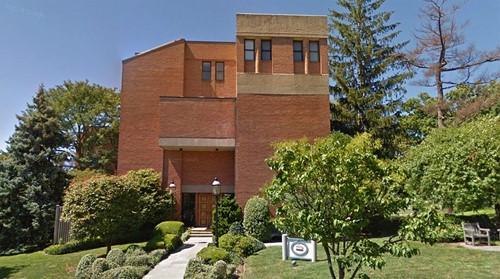
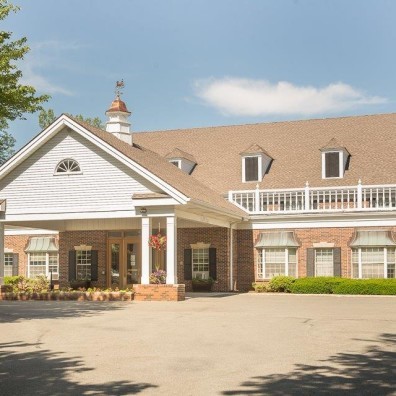
7 assisted living, nursing & memory care facilities in Greenwich.
 Senior Care
The Mews
Greenwich, CT
 Assisted Living
Greenwich Woods Rehabilitation
Greenwich, CT
Nathaniel Witherell, The
Greenwich, CT
Home Helpers Home Care - Greenwich
Greenwich, CT
Regalcare At Greenwich
Greenwich, CT
Sterling Care Home Health Services
Greenwich, CT
Sterling Care
Greenwich, CT
Free Quotes
Get quotes from local pros in Greenwich
Tell us what you need and we’ll pass it to companies that serve your area. It’s free, and there’s no obligation.

Compare Greenwich with any city
See how it stacks up on cost, income, and quality of life.
Start Comparing