



City Profile
Fairfield, Connecticut
USA · Comprehensive city data and intelligence
Fairfield, Connecticut, is a vibrant coastal New England town founded in 1639, renowned for its picturesque historic district, five miles of sandy Long Island Sound coastline, and a thriving downtown area. Balancing its colonial heritage with modern sophistication, the town features a bustling commercial center filled with upscale boutiques, diverse dining options, and cultural institutions like the Fairfield Museum and History Center. Residents and newcomers are continually drawn to Fairfield for its exceptional quality of life, highly-rated public school system, and welcoming community atmosphere.
Connecticut, located in southern New England, offers a blend of historic charm, natural beauty, and proximity to major cities like New York and Boston. The state's economy is robust, with major industries including finance and insurance, manufacturing (especially aerospace and defense), and healthcare. Living in Connecticut generally entails a higher cost of living than the national average, particularly for housing and utilities. The climate features four distinct seasons with cold, snowy winters and warm, humid summers, and residents enjoy a lifestyle that balances suburban tranquility with access to cultural attractions, outdoor activities, and strong public education.
How this 59/100 was calculated five components, with every reading behind them
| Component | Readings used | Points | Weight | Contributes |
|---|---|---|---|---|
| Safety | Safety score: 88 / 100 | 88.0 | 30% | 26.4 |
| Affordability | Cost of living index (100 = national baseline): 138.0 | 0.0 | 25% | 0.0 |
| Economy & jobs | Median household income: $165,000 Income needed to live here: $85,000 Unemployment rate: 3.5% | 90.6 | 20% | 18.1 |
| Growth | Population growth rate: 0.5% Job growth rate: 1.5% | 43.8 | 15% | 6.6 |
| Business climate assessment | Business climate assessment: 78 / 100 | 78.0 | 10% | 7.8 |
| Overall score | 58.9 | |||
Provenance.
These figures were produced by the research pass recorded as
Tier 1 (fast) (q=52, partial — below threshold), last refreshed
15 October 2026.
They are researched estimates drawn from public sources, not a licensed data feed.
Each component is scored against fixed published endpoints, so this number is comparable with any other city and does not move as the dataset grows. Scoring framework 2026.10 — full methodology, weights and accepted ranges.

Featured Events
Happening in Fairfield
Featured and sponsored events in Fairfield.
Local Directory
Businesses in Fairfield
Featured local businesses in Fairfield.

Performance
Quality Scores
Expenses
Cost of Living
The cost of living in Fairfield is notably higher than the national average, primarily driven by high housing costs, premium property taxes, and strong regional demand for coastal real estate. Everyday expenses such as groceries, dining out, and local services also trend above national norms due to the town's affluent socioeconomic profile and proximity to the New York City metropolitan area. While utilities and transportation costs are somewhat more moderate, overall household budgets must accommodate the premium associated with living in one of Connecticut's most desirable suburban communities.
Income
Salary Insights
Fairfield benefits from a robust and resilient local economy anchored by education, healthcare, professional services, and retail trade, alongside its proximity to major corporate hubs in Fairfield County. Prominent local employers include Fairfield University, Sacred Heart University, and a wide array of small-to-midsize businesses operating in finance, manufacturing, and technology sectors. The town also supports a high percentage of remote and hybrid workers who commute into New York City via the Metro-North Railroad, taking advantage of the area's excellent work-life balance.
The average salary in Fairfield is $92,000 per year. You would need approximately $85,000 to live comfortably.
Employment
Top Industries
Weather
Climate
Mobility
Transport
Transportation in Fairfield is well-facilitated by Interstate 95, the Merritt Parkway, and multiple stations along the Metro-North Railroad's New Haven Line, providing direct service to Grand Central Terminal. While car ownership remains common for daily errands and local commuting, downtown Fairfield exhibits solid walkability and bike-friendly corridors. Commuters benefit from efficient regional rail links, though peak-hour highway traffic toward New York or Stamford can experience congestion.

At a Glance
Pros & Cons
Advantages
Drawbacks
Head to Head
Compare Fairfield
Community Q&A
Questions about Fairfield
What people ask about living in and moving to Fairfield, Connecticut.
How does Fairfield's cost of living compare to the national average?
Fairfield’s cost of living index is 138, meaning expenses are 38% higher than the national average. With an average salary of $92,000 per year, you’ll find that while your income is above the national median, housing and daily expenses will be higher. Plan for a larger portion of your budget to go toward rent, groceries, and transportation. Reviewing local utility rates and grocery prices online will give you a clear...
What is the average rent for an apartment in Fairfield?
The average monthly rent for an apartment in Fairfield is about $2,400. This figure reflects the typical cost for a 2–3 bedroom unit in the area. Prices can vary depending on location, amenities, and lease length, so it’s wise to browse local listings and compare unit specifications. Checking recent rental ads and speaking with real‑estate agents in the city can help you find a unit that fits your budget.
How are the public schools in Fairfield rated?
Fairfield’s public schools generally receive solid ratings, with many schools performing above the state average. The city’s school district website provides detailed performance reports, curriculum descriptions, and enrollment statistics. Visiting schools during open house events or speaking with current parents can give you a personal sense of the learning environment and resources available.
Is Fairfield a safe place to live?
Fairfield has a safety score of 88 out of 100, indicating a relatively low crime rate compared to many U.S. cities. Neighborhoods in the city typically experience fewer incidents of violent crime and property theft. Checking recent crime statistics posted on the city’s official website or local police reports can confirm current safety trends and help you choose a neighborhood that aligns with your comfort level.
What public transportation options are available in Fairfield?
Fairfield offers a range of public transit options including local bus routes that connect residential areas to commercial centers and nearby train lines that provide access to larger metropolitan hubs. These services operate on scheduled routes with varying frequencies, especially during peak commute times. Checking the city transit authority’s website will give you route maps, schedules, and fare information.
What types of jobs are most common in Fairfield?
Fairfield’s economy includes a mix of professional services, retail, and healthcare roles. Many residents work in nearby business districts or in local medical facilities. Because the city’s average salary is $92,000, there are opportunities for mid‑level professionals. Exploring local job boards and networking events in the area can provide insight into specific openings that match your experience.
What healthcare facilities are nearby for residents of Fairfield?
The city hosts several medical clinics and hospitals that provide primary care, specialty services, and emergency care. These facilities are staffed by physicians, nurses, and allied health professionals. You can find directories of local providers and their services on the city’s health department website or through regional medical association listings.
What are the main recreational activities in Fairfield?
Fairfield features parks, walking trails, and waterfront areas that are popular for hiking, biking, and picnicking. The city also hosts seasonal festivals, farmers markets, and cultural events that showcase local arts and food. Checking the city’s recreation department calendar will let you know upcoming events and where to find the best outdoor spots.
What should I know about moving into Fairfield from out of state?
When moving to Fairfield, consider the local housing market, average rent, and transportation options. Arrange for utilities to be set up in advance and familiarize yourself with the city’s waste collection schedule. It’s also helpful to research local services such as grocery stores, pharmacies, and community centers early on to ease the transition.
What is the overall vibe of Fairfield for families?
Fairfield is known for its family-friendly atmosphere, with well-maintained neighborhoods, reputable schools, and a strong sense of community. The city offers a mix of residential streets, parks, and cultural venues that cater to families. Visiting during different times of day and speaking with residents can give you a firsthand feel for the local lifestyle.
Some answers here were drafted as a starting point and may be out of date. Live in Fairfield? Add your own.
FAQ
Frequently Asked Questions
Senior Care in Fairfield
9 assisted living, nursing & memory care facilities in Fairfield.
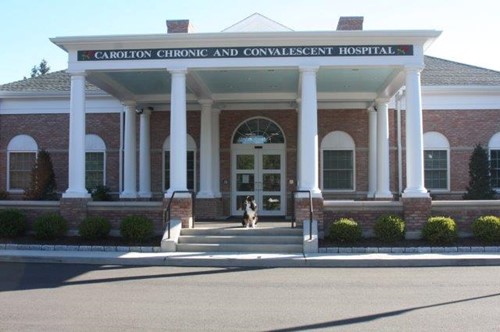 Assisted Living
Carolton Chronic & Conv Hosp,
Fairfield, CT
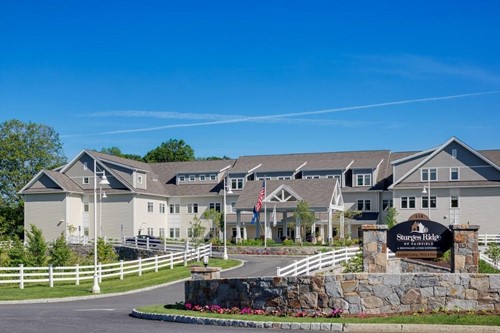 Assisted Living
Sturges Ridge of Fairfield
Fairfield, CT
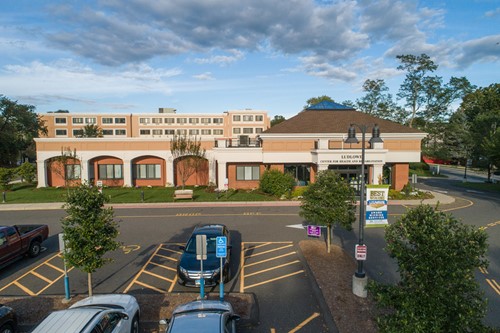 Assisted Living
Ludlowe Center For Health & Rehabilitation, LLC
Fairfield, CT
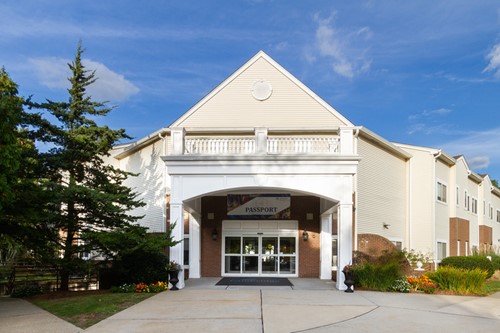 Assisted Living
Cambridge Health And Rehabilitation Center
Fairfield, CT
 Assisted Living
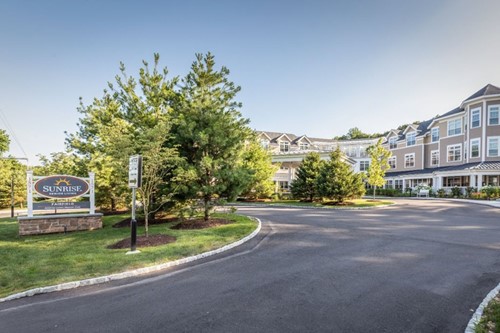
Sunrise of Fairfield
Fairfield, CT
Interim Healthcare Of Fairfield County
Fairfield, CT
Visiting Angels - Fairfield
Fairfield, CT
Senior Helpers - Fairfield
Fairfield, CT
ComForCare - Fairfield
Fairfield, CT
Free Quotes
Get quotes from local pros in Fairfield
Tell us what you need and we’ll pass it to companies that serve your area. It’s free, and there’s no obligation.

Compare Fairfield with any city
See how it stacks up on cost, income, and quality of life.
Start Comparing