



City Profile
Bridgeport, Connecticut
USA · Comprehensive city data and intelligence
Bridgeport is the most populous city in Connecticut, situated on the Long Island Sound along the Gold Coast of Fairfield County. Founded as a maritime and manufacturing powerhouse, the city carries a rich industrial history that shaped its gritty, resilient urban character. Today, Bridgeport is undergoing significant revitalization efforts, drawing residents with its coastal parks, vibrant cultural diversity, and relatively accessible entry points into an otherwise expensive region.
Connecticut, located in southern New England, offers a blend of historic charm, natural beauty, and proximity to major cities like New York and Boston. The state's economy is robust, with major industries including finance and insurance, manufacturing (especially aerospace and defense), and healthcare. Living in Connecticut generally entails a higher cost of living than the national average, particularly for housing and utilities. The climate features four distinct seasons with cold, snowy winters and warm, humid summers, and residents enjoy a lifestyle that balances suburban tranquility with access to cultural attractions, outdoor activities, and strong public education.
How this 47/100 was calculated five components, with every reading behind them
| Component | Readings used | Points | Weight | Contributes |
|---|---|---|---|---|
| Safety | Safety score: 52 / 100 | 52.0 | 30% | 15.6 |
| Affordability | Cost of living index (100 = national baseline): 105.0 | 37.5 | 25% | 9.4 |
| Economy & jobs | Median household income: $58,685 Income needed to live here: $60,000 Unemployment rate: 4.5% | 45.5 | 20% | 9.1 |
| Growth | Population growth rate: 0.61% Job growth rate: 1.2% | 42.1 | 15% | 6.3 |
| Business climate assessment | Business climate assessment: 65 / 100 | 65.0 | 10% | 6.5 |
| Overall score | 46.9 | |||
Provenance.
These figures were produced by the research pass recorded as
Tier 2 (reasoned) (q=66, partial — below threshold), last refreshed
11 October 2026.
They are researched estimates drawn from public sources, not a licensed data feed.
Each component is scored against fixed published endpoints, so this number is comparable with any other city and does not move as the dataset grows. Scoring framework 2026.10 — full methodology, weights and accepted ranges.

Featured Events
Happening in Bridgeport
Featured and sponsored events in Bridgeport.
Local Directory
Businesses in Bridgeport
Featured local businesses in Bridgeport.

Performance
Quality Scores
Expenses
Cost of Living
The cost of living in Bridgeport sits slightly below the rest of Fairfield County, though it remains marginally higher than the national U.S. average due to regional housing and utility costs. While everyday expenses like groceries and local transportation track closely with national norms, housing demands heavily influence overall spending. Residents benefit from lower prices compared to neighboring towns like Westport or Fairfield, making it a strategic choice for budget-conscious households looking to stay in the New York metropolitan sphere.
Income
Salary Insights
Bridgeport's economy is anchored by healthcare, education, manufacturing, and public administration sectors, bolstered by its proximity to major financial hubs. Major employers such as Bridgeport Hospital and various regional manufacturers provide a steady employment foundation, while a growing wave of small businesses contributes to local commercial revival. The remote work scene has also expanded, allowing professionals to leverage lower local housing costs while commuting or working remotely for firms in Stamford and New York City.
The average salary in Bridgeport is $74,000 per year. You would need approximately $60,000 to live comfortably.
Employment
Top Industries
Weather
Climate
Mobility
Transport
Bridgeport serves as a major transportation hub, featuring a busy Metro-North Railroad station that connects commuters directly to Grand Central Terminal in New York City. The city is also serviced by I-95, Route 8, and the Bridgeport-Port Jefferson Ferry, providing convenient access across the sound to Long Island. Public transit within the city relies on local Greater Bridgeport Transit bus routes, though many residents remain car-dependent for daily errands outside core corridors.

At a Glance
Pros & Cons
Advantages
Drawbacks
Head to Head
Compare Bridgeport
Community Q&A
Questions about Bridgeport
What people ask about living in and moving to Bridgeport, Connecticut.
How are the public schools in Bridgeport?
Public schools in Bridgeport vary in performance, with some districts receiving higher academic ratings and others facing challenges. The city’s school district offers a range of elementary, middle, and high schools, many of which provide special education and extracurricular programs. Review state education department reports and local school rankings to gauge academic outcomes, student‑teacher ratios, and extracurr...
How does the cost of living in Bridgeport compare to nearby cities?
Bridgeport’s cost of living is generally lower than larger Connecticut cities like Hartford and New Haven, but higher than some rural towns. Housing, groceries, and utilities tend to be more affordable than in the state’s major urban centers, while transportation and healthcare costs are comparable to the regional average. For a precise comparison, review recent city‑wide cost‑of‑living reports and local consumer pri...
Is Bridgeport safe for families?
Crime rates in Bridgeport are higher than the national average, with certain neighborhoods experiencing more incidents. However, many areas have active community watch programs and police precincts that focus on resident safety. Look at recent crime statistics from the city’s public safety office and local community forums to identify neighborhoods with lower crime rates and active neighborhood associations.
What public transportation options are available in Bridgeport?
Bridgeport is served by regional bus routes that connect to neighboring cities and a commuter rail line that links to major hubs like Hartford. The city’s transit authority offers daily schedules, fare information, and real‑time service updates. For detailed route maps and frequency, consult the official transit website and local commuter guides.
What are the typical housing options in Bridgeport?
Bridgeport offers a mix of single‑family homes, townhouses, and multi‑unit apartments. Neighborhoods vary from historic brick row houses to newer developments with modern amenities. Rental prices range from moderate to slightly above the state average, depending on proximity to downtown and public transportation. Check local real‑estate listings and city zoning maps for the most up‑to‑date inventory and price ranges.
What job opportunities are common in Bridgeport?
The local economy includes a mix of healthcare, education, manufacturing, and service sector jobs. Many positions are tied to regional hospitals, schools, and small‑to‑mid‑size companies. The workforce is also supported by nearby industrial parks and logistics firms. For specific openings, consult the city’s employment portal and regional job boards that aggregate listings from local employers.
What healthcare facilities are in Bridgeport?
Bridgeport hosts several hospitals and outpatient clinics that provide a range of services, including emergency care, specialty medicine, and rehabilitation. Many facilities offer multidisciplinary teams and have affiliations with regional medical centers. For specific provider listings and specialty services, check the city’s health department directory and regional medical association resources.
What recreational activities are popular in Bridgeport?
Bridgeport offers waterfront parks, cultural festivals, and seasonal community events. The city’s public spaces host concerts, farmers markets, and art exhibitions throughout the year. Local recreational programs include sports leagues, nature trails, and waterfront activities. Visit the city’s tourism portal and community calendar for upcoming events and facility information.
What should I know about moving to Bridgeport?
When moving to Bridgeport, consider local utility setup, registration for vehicle and driver’s license, and the city’s waste collection schedule. Research neighborhood amenities, school districts, and public transportation options early. It’s also helpful to connect with local community groups and real‑estate agents who can provide insights into the best areas for your lifestyle.
What is the overall vibe of living in Bridgeport?
Bridgeport has a diverse cultural scene with historic architecture, waterfront views, and a mix of residential and commercial areas. The city hosts a variety of community events, art exhibits, and local markets that reflect its multicultural heritage. Residents often describe the city as lively yet accessible, with opportunities for both urban convenience and suburban tranquility. Exploring local neighborhoods and at...
Some answers here were drafted as a starting point and may be out of date. Live in Bridgeport? Add your own.
FAQ
Frequently Asked Questions
Businesses for Sale in Bridgeport
Explore active acquisition & franchise opportunities .

Senior Care in Bridgeport
14 assisted living, nursing & memory care facilities in Bridgeport.
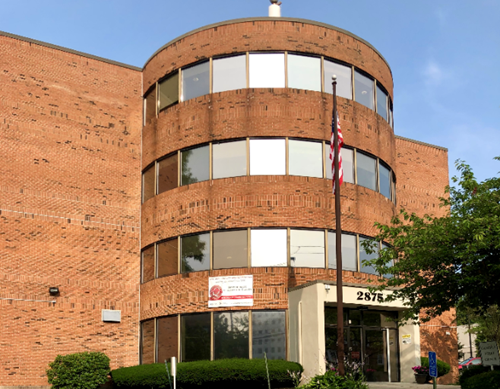 Assisted Living
Northbridge Health Care Center
Bridgeport, CT
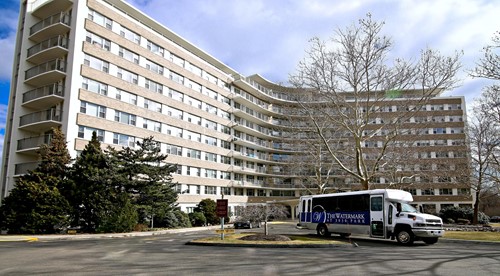 Senior Care
The Watermark at 3030 Park
Bridgeport, CT
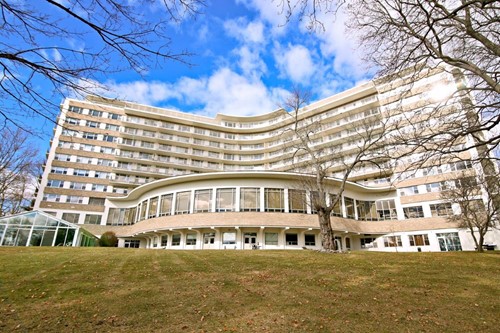 Assisted Living
Springs At Watermark
Bridgeport, CT
Eprine Community Services
Bridgeport, CT
Jewish Senior Services
Bridgeport, CT
Friedman Home Care And Chaifez Family Hospice
Bridgeport, CT
Friedman Home Care And Chaifez Family Hospice
Bridgeport, CT
Eprine Community Services
Bridgeport, CT
Jewish Senior Services
Bridgeport, CT
Friedman Home Care And Chaifez Family Hospice
Bridgeport, CT
Friedman Home Care And Chaifez Family Hospice
Bridgeport, CT
Hospice At Home
Bridgeport, CT
City Guide
Explore Bridgeport
Free Quotes
Get quotes from local pros in Bridgeport
Tell us what you need and we’ll pass it to companies that serve your area. It’s free, and there’s no obligation.

Compare Bridgeport with any city
See how it stacks up on cost, income, and quality of life.
Start Comparing