



City Profile
Milford, Connecticut
USA · Comprehensive city data and intelligence
Milford, Connecticut is a charming coastal city located in New Haven County along Long Island Sound, featuring a rich history that dates back to its settlement in 1639. Known as 'A Small City with a Big Heart!', it boasts seventeen miles of coastline—the longest of any town or city in Connecticut—including scenic public beaches and Silver Sands State Park. The community blends a historic New England town green, which is the second-longest in the state, with vibrant commercial areas and quiet residential neighborhoods like Devon and Woodmont. People frequently move to Milford for its exceptional coastal lifestyle, excellent safety record, and commuter-friendly location situated conveniently between New Haven and Bridgeport.
Connecticut, located in southern New England, offers a blend of historic charm, natural beauty, and proximity to major cities like New York and Boston. The state's economy is robust, with major industries including finance and insurance, manufacturing (especially aerospace and defense), and healthcare. Living in Connecticut generally entails a higher cost of living than the national average, particularly for housing and utilities. The climate features four distinct seasons with cold, snowy winters and warm, humid summers, and residents enjoy a lifestyle that balances suburban tranquility with access to cultural attractions, outdoor activities, and strong public education.
How this 59/100 was calculated five components, with every reading behind them
| Component | Readings used | Points | Weight | Contributes |
|---|---|---|---|---|
| Safety | Safety score: 82 / 100 | 82.0 | 30% | 24.6 |
| Affordability | Cost of living index (100 = national baseline): 122.0 | 16.3 | 25% | 4.1 |
| Economy & jobs | Median household income: $110,669 Income needed to live here: $65,000 Unemployment rate: 4.1% | 86.9 | 20% | 17.4 |
| Growth | Population growth rate: 0.3% Job growth rate: 1.5% | 41.3 | 15% | 6.2 |
| Business climate assessment | Business climate assessment: 70 / 100 | 70.0 | 10% | 7.0 |
| Overall score | 59.2 | |||
Provenance.
These figures were produced by the research pass recorded as
Tier 2 (reasoned) (q=64, partial — below threshold), last refreshed
11 October 2026.
They are researched estimates drawn from public sources, not a licensed data feed.
Each component is scored against fixed published endpoints, so this number is comparable with any other city and does not move as the dataset grows. Scoring framework 2026.10 — full methodology, weights and accepted ranges.

Featured Events
Happening in Milford
Featured and sponsored events in Milford.
Local Directory
Businesses in Milford
Featured local businesses in Milford.

Performance
Quality Scores
Expenses
Cost of Living
The cost of living in Milford is noticeably higher than the national average, driven primarily by housing expenses, premium coastal real estate demand, and local property taxes typical of Fairfield and New Haven County border regions. Everyday goods, groceries, and dining out also trend slightly above national norms, reflecting the broader economic affluence of coastal Connecticut and proximity to major metropolitan job markets. However, utility costs and basic transportation expenses remain relatively manageable, aligning closely with regional New England averages despite the elevated price tag for real estate.
Income
Salary Insights
Milford's local economy is diverse and anchored by healthcare, retail trade, manufacturing, professional services, and tourism given its extensive shoreline. Major corporate presences and healthcare institutions provide stable employment, while the city's robust small-business community thrives around its downtown harbor district and commercial parkways. With a strong commuter culture, many residents also participate in remote work arrangements or travel easily via rail to nearby employment hubs like New Haven, Bridgeport, and Stamford.
The average salary in Milford is $72,000 per year. You would need approximately $65,000 to live comfortably.
Employment
Top Industries
Weather
Climate
Mobility
Transport
Getting around Milford is convenient for drivers and commuters alike, thanks to direct access to Interstate 95, the Merritt Parkway, and U.S. Route 1. The Milford Metro-North train station provides reliable commuter rail service to New Haven, Stamford, and Grand Central Terminal in New York City. While walkability is high in the immediate downtown harbor district and certain beach communities, suburban areas remain largely car-dependent.

At a Glance
Pros & Cons
Advantages
Drawbacks
Head to Head
Compare Milford
Community Q&A
Questions about Milford
What people ask about living in and moving to Milford, Connecticut.
FAQ
Frequently Asked Questions
Senior Care in Milford
16 assisted living, nursing & memory care facilities in Milford.
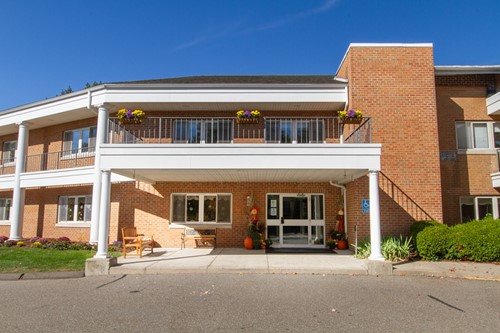 Assisted Living
Milford Health Care Center Inc
Milford, CT
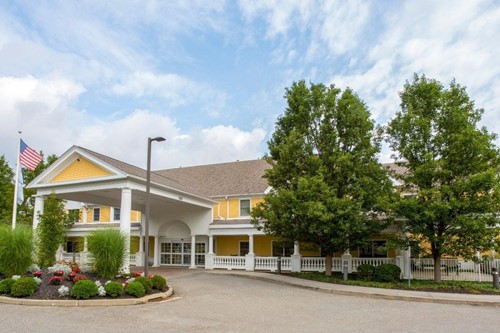 Assisted Living
Carriage Green at Milford
Milford, CT
Compassus - Greater Connecticut
Milford, CT
West River Rehab Center
Milford, CT
Always Best Care - Milford
Milford, CT
Totality Home Health Care Agency LLC
Milford, CT
Home Care Plus Inc
Milford, CT
Golden Hill Rehab Pavilion
Milford, CT
Right at Home - Milford
Milford, CT
Compassus - Greater Connecticut
Milford, CT
West River Rehab Center
Milford, CT
Always Best Care - Milford
Milford, CT
City Guide
Explore Milford
Free Quotes
Get quotes from local pros in Milford
Tell us what you need and we’ll pass it to companies that serve your area. It’s free, and there’s no obligation.

Compare Milford with any city
See how it stacks up on cost, income, and quality of life.
Start Comparing