



Milford, Delaware, sits along the Mispillion River in both Kent and Sussex counties, offering a unique blend of small-town charm and growing economic opportunity. Founded in the late 18th century, the city has evolved from a shipbuilding and agricultural hub into a vibrant community known for its historic downtown, arts scene, and expanding residential developments. People are increasingly drawn to Milford for its central location in the Delmarva Peninsula, providing relatively easy access to both Delaware's beaches and major urban centers like Philadelphia and Wilmington.
Delaware, known as "The First State," offers a diverse character ranging from bustling urban centers like Wilmington to serene beaches and farmlands. Its economy is robust, heavily influenced by the finance and insurance sector, which contributes significantly to the state's GDP, alongside major industries such as chemical manufacturing, healthcare, and retail trade. Living in Delaware generally presents a moderate cost of living, often near the national average, with the advantage of no sales tax and relatively low property taxes. The state experiences a humid subtropical climate, characterized by hot, humid summers and mild winters, with precipitation distributed throughout the year. Residents can enjoy a lifestyle that blends small-town charm with access to major East Coast cities and abundant outdoor recreational opportunities.
How this 63/100 was calculated five components, with every reading behind them
| Component | Readings used | Points | Weight | Contributes |
|---|---|---|---|---|
| Safety | Safety score: 70 / 100 | 70.0 | 30% | 21.0 |
| Affordability | Cost of living index (100 = national baseline): 96.0 | 48.8 | 25% | 12.2 |
| Economy & jobs | Median household income: $63,500 Income needed to live here: $52,000 Unemployment rate: 4.3% | 61.9 | 20% | 12.4 |
| Growth | Population growth rate: 2.2% Job growth rate: 2% | 70.0 | 15% | 10.5 |
| Business climate assessment | Business climate assessment: 67 / 100 | 67.0 | 10% | 6.7 |
| Overall score | 62.8 | |||
Provenance.
These figures were produced by the research pass recorded as
Tier 1 (fast) (q=52, partial — below threshold), last refreshed
15 October 2026.
They are researched estimates drawn from public sources, not a licensed data feed.
Each component is scored against fixed published endpoints, so this number is comparable with any other city and does not move as the dataset grows. Scoring framework 2026.10 — full methodology, weights and accepted ranges.

Featured Events
Happening in Milford
Featured and sponsored events in Milford.
Local Directory
Businesses in Milford
Featured local businesses in Milford.

Performance
Quality Scores
Expenses
Cost of Living
The cost of living in Milford tends to be slightly below the national average, making it an attractive destination for families, retirees, and remote workers looking for better value for their money. Housing costs, while rising due to regional population growth, remain more affordable compared to nearby coastal resort towns and major metropolitan areas. Everyday expenses such as groceries and utilities are generally in line with regional averages, contributing to the city's overall financial accessibility.
Income
Salary Insights
Milford's economy is anchored by healthcare, retail trade, manufacturing, and educational services, providing a stable employment base for residents. Major regional employers like Bayhealth Medical Center play a pivotal role in driving job growth and economic stability in the area. Additionally, the city's active downtown revitalization efforts have fostered a supportive environment for small businesses, entrepreneurs, and local retail shops.
The average salary in Milford is $61,000 per year. You would need approximately $52,000 to live comfortably.
Employment
Top Industries
Weather
Climate
Mobility
Transport
Transportation in Milford is primarily automobile-dependent, with major thoroughfares like US Route 113 and Delaware Route 1 facilitating regional travel. While public transit options are limited, the city's compact historic core offers good walkability for local errands and dining. Average commute times are manageable, though seasonal beach traffic on regional highways can occasionally impact travel times during the summer months.

At a Glance
Pros & Cons
Advantages
Drawbacks
Community Q&A
Questions about Milford
What people ask about living in and moving to Milford, Delaware.
FAQ
Frequently Asked Questions
Senior Care in Milford
17 assisted living, nursing & memory care facilities in Milford.
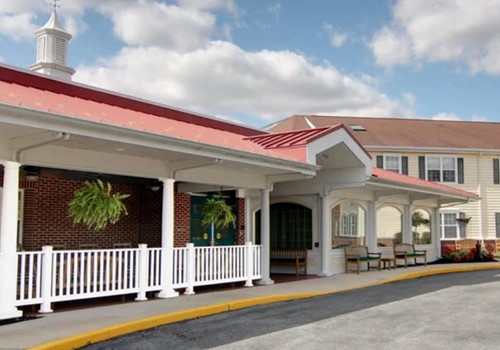 Assisted Living
Milford Place
Milford, DE
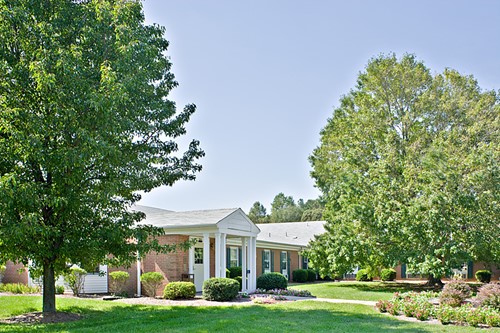 Assisted Living
Milford Center
Milford, DE
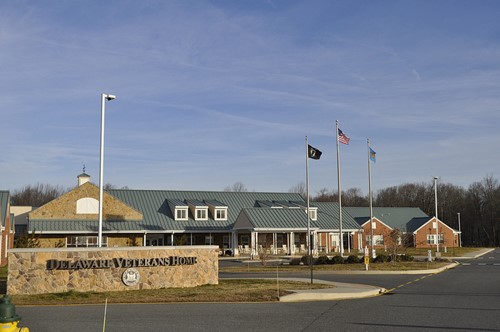 Assisted Living
Delaware Veterans Home
Milford, DE
Assisted Living
Milford Place
Milford, DE
Assisted Living
Milford Center
Milford, DE
Assisted Living
Delaware Veterans Home
Milford, DE
Aveanna Healthcare
Milford, DE
Polaris Healthcare And Rehabilitation Center
Milford, DE
Aveanna Home Healthcare
Milford, DE
Aveanna Hospice
Milford, DE
Delaware Hospice, Inc Southern Division
Milford, DE
BAYADA - Southern Delaware
Milford, DE
Free Quotes
Get quotes from local pros in Milford
Tell us what you need and we’ll pass it to companies that serve your area. It’s free, and there’s no obligation.

Compare Milford with any city
See how it stacks up on cost, income, and quality of life.
Start Comparing