



City Profile
Lakeland, Florida
USA · Comprehensive city data and intelligence
Lakeland, Florida, situated centrally along Interstate 4 between Tampa and Orlando, has evolved from a historic citrus and phosphate mining hub into one of the fastest-growing cities in the United States. Founded in the 1880s by Abraham Munn, the city is renowned for its picturesque landscape dotted with 38 named lakes, most notably Lake Mirror and Lake Morton in the historic downtown core. The city prominently features the world's largest single-site collection of Frank Lloyd Wright architecture at Florida Southern College, giving it a unique cultural and historical identity that blends mid-century design with old Florida charm.
Today, Lakeland attracts families, remote workers, and retirees seeking a more affordable yet centrally located alternative to nearby metropolitan hubs. Its downtown has undergone a significant revitalization, featuring vibrant local eateries, craft breweries, boutiques, and community events like the annual SUN 'n FUN Aerospace Expo. Despite rapid population influx, the city has successfully maintained its distinct community character, preserving its historic districts while expanding modern suburban infrastructure to accommodate new residents.
Florida, known as the "Sunshine State," offers a diverse character with a laid-back beach culture and vibrant city life, attracting a mix of residents including many transplants. Its economy, the fourth largest in the U.S. as of 2024, is driven by major industries such as tourism, real estate, agriculture, aerospace and aviation, financial services, and healthcare and life sciences. Living in Florida generally entails a cost of living slightly higher than the national average, though it varies by city, with an average annual cost around $50,689 per person. The climate is characterized by hot, humid summers and mild winters, with abundant sunshine year-round, fostering an outdoor-oriented lifestyle. Florida also boasts a tax-friendly environment with no state income tax.
How this 66/100 was calculated five components, with every reading behind them
| Component | Readings used | Points | Weight | Contributes |
|---|---|---|---|---|
| Safety | Safety score: 68 / 100 | 68.0 | 30% | 20.4 |
| Affordability | Cost of living index (100 = national baseline): 96.0 | 48.8 | 25% | 12.2 |
| Economy & jobs | Median household income: $63,500 Income needed to live here: $52,000 Unemployment rate: 3.5% | 66.9 | 20% | 13.4 |
| Growth | Population growth rate: 2.4% Job growth rate: 3.1% | 83.5 | 15% | 12.5 |
| Business climate assessment | Business climate assessment: 72 / 100 | 72.0 | 10% | 7.2 |
| Overall score | 65.7 | |||
Provenance.
These figures were produced by the research pass recorded as
Tier 1 (fast) (q=52, partial — below threshold), last refreshed
15 October 2026.
They are researched estimates drawn from public sources, not a licensed data feed.
Each component is scored against fixed published endpoints, so this number is comparable with any other city and does not move as the dataset grows. Scoring framework 2026.10 — full methodology, weights and accepted ranges.

Featured Events
Happening in Lakeland
Featured and sponsored events in Lakeland.
Local Directory
Businesses in Lakeland
Featured local businesses in Lakeland.

Performance
Quality Scores
Expenses
Cost of Living
The cost of living in Lakeland generally hovers slightly below the national average, making it a compelling destination for those priced out of coastal Florida markets like Miami or Tampa. While housing costs have risen sharply due to high regional demand and rapid population growth, everyday expenses such as groceries, utilities, and transportation remain relatively manageable compared to larger metros. Property taxes and insurance rates in Florida, however, have experienced upward pressure, which slightly offsets some of the traditional affordability advantages historically enjoyed by inland Central Florida communities.
Factors driving costs upward include increased migration from out-of-state buyers and major coastal metropolitan areas, which has spurred intense competition in the local real estate and rental markets. Conversely, the abundance of local agricultural production helps keep certain food costs moderate, and the city's compact footprint can reduce everyday commuting fuel expenses for residents working locally. Overall, residents often find that their purchasing power stretches further here than in South Florida, provided they secure housing before peak market spikes.
Income
Salary Insights
Lakeland's economy is anchored by its exceptional geographic logistics positioning, robust healthcare systems, manufacturing, and agricultural roots. Major employers such as Publix Super Markets—headquartered in the city—along with Amazon, GEICO, and Lakeland Regional Health, provide a stable and diverse employment base. The city's strategic location along the I-4 corridor has turned it into a massive distribution and warehousing capital, attracting major logistics operators seeking centralized access to the entire Florida consumer market.
In addition to corporate logistics and retail headquarters, Lakeland features a growing entrepreneurial ecosystem supported by local incubators and coworking spaces. Remote work has also surged in popularity among residents who maintain high-paying remote roles for out-of-state companies while enjoying Central Florida's tax climate and lifestyle. Job growth consistently outpaces the national average, driven heavily by service sector expansion, healthcare demands from a growing retiree population, and ongoing commercial real estate development.
The average salary in Lakeland is $62,000 per year. You would need approximately $52,000 to live comfortably.
Employment
Top Industries
Weather
Climate
Mobility
Transport
Transportation in Lakeland is predominantly car-dependent, with Interstate 4 and State Road 582 serving as the primary arteries for regional travel and commuting. The Citrus Connection provides fixed-route public bus transit throughout the city, though service frequencies and coverage are best suited for specific urban corridors rather than sprawling suburban tracts. Walkability is exceptionally high within the historic downtown core and around certain lakefront neighborhoods, but most daily errands require a personal vehicle.
Traffic congestion is most notable during peak rush hours along major thoroughfares like US-98 and Harden Boulevard, driven largely by commuter traffic and commercial freight trucks. Cycling infrastructure has seen gradual improvements with the development of shared-use paths, such as the Tenoroc Trail network. For air travel, residents primarily rely on Tampa International Airport or Orlando International Airport, both roughly 45 to 60 minutes away by car.

At a Glance
Pros & Cons
Advantages
Drawbacks
Head to Head
Compare Lakeland
Community Q&A
Questions about Lakeland
What people ask about living in and moving to Lakeland, Florida.
FAQ
Frequently Asked Questions
Senior Care in Lakeland
43 assisted living, nursing & memory care facilities in Lakeland.
 Senior Care
Schalamar Creek Golf & Country Club Community
Lakeland, FL
 Senior Care
Angler's Cove West Retirement Community
Lakeland, FL
 Senior Care
Estates At Carpenters
Lakeland, FL
 Senior Care
Cypress Lakes Village
Lakeland, FL
 Senior Care
All About Aging
Lakeland, FL
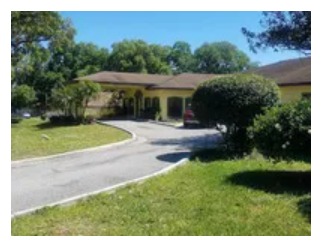 Senior Care
Lakeland Manor ALF
Lakeland, FL
 Assisted Living
Savannah Court of Lakeland
Lakeland, FL
 Assisted Living
Valencia Hills Health And Rehabilitation Center
Lakeland, FL
 Assisted Living
Lake Gibson Village Health And Rehabilitation Center
Lakeland, FL
 Senior Care
Lake Gibson Village
Lakeland, FL
 Assisted Living
Grace Manor Suites
Lakeland, FL
 Assisted Living
Grand Villa of Lakeland
Lakeland, FL
City Guide
Explore Lakeland
Free Quotes
Get quotes from local pros in Lakeland
Tell us what you need and we’ll pass it to companies that serve your area. It’s free, and there’s no obligation.

Compare Lakeland with any city
See how it stacks up on cost, income, and quality of life.
Start Comparing