



City Profile
Miami, Florida
USA · Comprehensive city data and intelligence
Miami, Florida, often referred to as the "Magic City," is a vibrant metropolis known for its stunning beaches, diverse culture, and dynamic economy. Originally founded in the late 19th century, Miami has grown into a global hub, attracting individuals and businesses with its unique blend of Latin American influence, art deco architecture, and tropical climate. People are drawn to Miami for its energetic lifestyle, burgeoning tech scene, and status as a gateway to international trade. The city's rapid development and cultural richness make it a compelling destination for those seeking both professional opportunities and a high quality of life.
Florida, known as the "Sunshine State," offers a diverse character with a laid-back beach culture and vibrant city life, attracting a mix of residents including many transplants. Its economy, the fourth largest in the U.S. as of 2024, is driven by major industries such as tourism, real estate, agriculture, aerospace and aviation, financial services, and healthcare and life sciences. Living in Florida generally entails a cost of living slightly higher than the national average, though it varies by city, with an average annual cost around $50,689 per person. The climate is characterized by hot, humid summers and mild winters, with abundant sunshine year-round, fostering an outdoor-oriented lifestyle. Florida also boasts a tax-friendly environment with no state income tax.
How this 53/100 was calculated five components, with every reading behind them
| Component | Readings used | Points | Weight | Contributes |
|---|---|---|---|---|
| Safety | Safety score: 65 / 100 | 65.0 | 30% | 19.5 |
| Affordability | Cost of living index (100 = national baseline): 120.0 | 18.8 | 25% | 4.7 |
| Economy & jobs | Median household income: $62,462 Income needed to live here: $87,156 Unemployment rate: 2.8% | 45.0 | 20% | 9.0 |
| Growth | Population growth rate: 2.07% Job growth rate: 2.9% | 77.4 | 15% | 11.6 |
| Business climate assessment | Business climate assessment: 80 / 100 | 80.0 | 10% | 8.0 |
| Overall score | 52.8 | |||
Provenance.
These figures were produced by the research pass recorded as
Gemini (Tier 2 (reasoned), q=84), last refreshed
1 July 2026.
They are researched estimates drawn from public sources, not a licensed data feed.
Each component is scored against fixed published endpoints, so this number is comparable with any other city and does not move as the dataset grows. Scoring framework 2026.10 — full methodology, weights and accepted ranges.

Featured Events
Happening in Miami
Featured and sponsored events in Miami.
Local Directory
Businesses in Miami
Featured local businesses in Miami.

Performance
Quality Scores
Expenses
Cost of Living
The cost of living in Miami, FL, is notably higher than the national average, standing at approximately 20.6% above the U.S. average in 2026. Housing expenses are a primary driver of this elevated cost, with prices for homes and rent significantly exceeding national figures. For instance, housing in Miami is about 57.0% more expensive than the national average. While some costs like healthcare can be more affordable than the U.S. average, other necessities such as groceries and utilities also contribute to the higher overall expenditure, being around 10.3% and 2.1% higher, respectively.
Income
Salary Insights
Miami's economy is robust and diverse, driven by several key sectors. Top industries include Technology, Healthcare, Real Estate and Construction, Tourism/Hospitality, Trade & Logistics, and Financial Services. The city has seen significant growth in its tech scene, attracting substantial venture capital investments and establishing itself as a prominent tech hub. The Miami metro area experienced a job growth rate of 2.9% in August 2024, with strong gains in education and health services, leisure and hospitality, professional and business services, and construction. Miami's pro-business environment, coupled with no state income tax, continues to attract new businesses and professionals, fostering a dynamic job market and a growing remote work scene.
The average salary in Miami is $60,900 per year. You would need approximately $87,156 to live comfortably.
Employment
Top Industries
Weather
Climate
Mobility
Transport
Getting around Miami is a mix of public transit, walkability, and driving, though the city is making strides to reduce car dependency. Miami boasts an impressive walkability score of 77 out of 100 and a bike-friendliness score of 64 out of 100, ranking it as the second-most walkable city in the U.S. in 2025. The average commute time for workers is around 27.3 minutes. Public transportation options include the Metromover, Metrorail, and Metrobus, which connect various parts of the city and surrounding areas. Initiatives like the Underline green belt system further promote walking and biking, making it easier for residents to navigate without a car, particularly in densely developed neighborhoods.

At a Glance
Pros & Cons
Advantages
Drawbacks
Community Q&A
Questions about Miami
What people ask about living in and moving to Miami, Florida.
What are the biggest challenges when moving to Miami from another state?
The primary challenges include higher housing costs, humidity‑related wear on belongings, and traffic congestion. Because the average rent is $2,247, budgeting for a larger security deposit and possible moving‑in fees is essential. Miami’s tropical climate means moisture can affect furniture and electronics; using moisture‑absorbing packs and allowing items to acclimate before use helps. Traffic peaks during rush hou...
How does Miami's cost of living compare to the national average?
Miami’s cost‑of‑living index is 120, meaning expenses are about 20 % higher than the U.S. average. Housing is the biggest driver: the average rent for a one‑bedroom apartment is $2,247 per month, which is well above the national median. Grocery, dining, and transportation costs also tend to be higher, while utilities are roughly in line with the national average. To gauge how this impacts you, compare your current mo...
What industries are strongest for job seekers in Miami?
Miami’s economy is anchored by tourism, international trade, finance, and health care. The city’s status as a gateway to Latin America fuels demand for bilingual professionals in banking, real‑estate, and import‑export firms. Tourism supports hospitality, event planning, and transportation jobs. Health‑care and biotech also show steady growth, offering roles in hospitals, research centers, and senior‑care facilities....
How do public schools in Miami rank compared to the national average?
Miami’s public schools are administered by the county school district, which provides performance data on its website. Overall, the district’s test scores hover around the national average, with some schools exceeding it and others falling short. When evaluating options, look at each school’s rating, student‑to‑teacher ratio, and extracurricular offerings. The district’s portal also lists enrollment zones, so you can...
Is Miami safe for newcomers, especially at night?
Miami’s safety score is 65 out of 100, indicating moderate risk relative to other U.S. cities. Crime rates can differ significantly by neighborhood; downtown and tourist districts have a visible police presence, but it’s still advisable to stay aware, especially after dark. Use well‑lit streets, travel with companions when possible, and keep valuables out of sight. The city’s police department publishes crime maps an...
What public transportation options are available for daily commuters?
Miami’s public transit system includes buses, a rapid‑transit rail line, and a commuter rail that connect downtown, the suburbs, and the airport. The bus network covers most of the city and operates frequent routes during peak hours. The rail line runs north‑south through the urban core, linking residential districts with business centers. A commuter rail extends farther north to suburban areas. All services accept a...
Where can I find affordable primary‑care doctors in Miami?
Miami has a large network of primary‑care providers, ranging from private practices to community health centers. If your insurance limits you to certain networks, start by checking the insurer’s provider directory for doctors practicing within the city. Community health clinics often offer sliding‑scale fees based on income and can be a cost‑effective option if you need care outside your network. The county health de...
How does the average salary in Miami compare to living expenses?
The median annual salary in Miami is $60,900, which translates to about $4,825 before tax each month. With an average rent of $2,247, housing alone consumes roughly 47 % of gross monthly income, higher than the recommended 30 % threshold. After accounting for taxes, utilities, groceries, transportation, and discretionary spending, many residents find budgeting tight, especially if supporting a family. To gauge comfor...
What should I expect to pay for a one‑bedroom apartment in Miami?
The average rent for a one‑bedroom unit in Miami is $2,247 per month. Prices vary by neighborhood; areas closer to downtown and the beach tend to be pricier, while neighborhoods farther inland may offer lower rates. When budgeting, factor in additional costs such as utilities, internet, and renter’s insurance, which can add $150–$250 each month. It’s wise to browse multiple online listing platforms and set a maximum...
What free or low‑cost activities are popular among residents?
Miami offers numerous free or inexpensive attractions. Public beaches are open year‑round and provide opportunities for swimming, sunbathing, and people‑watching. The city maintains several parks with walking trails, sports fields, and outdoor art installations. Cultural venues such as museums and galleries often have free admission days or discounted evenings; check their calendars online. Street festivals, farmers’...
Some answers here were drafted as a starting point and may be out of date. Live in Miami? Add your own.
FAQ
Frequently Asked Questions
Related
Insights about Miami
Businesses for Sale in Miami
Explore active acquisition & franchise opportunities .
 Independent
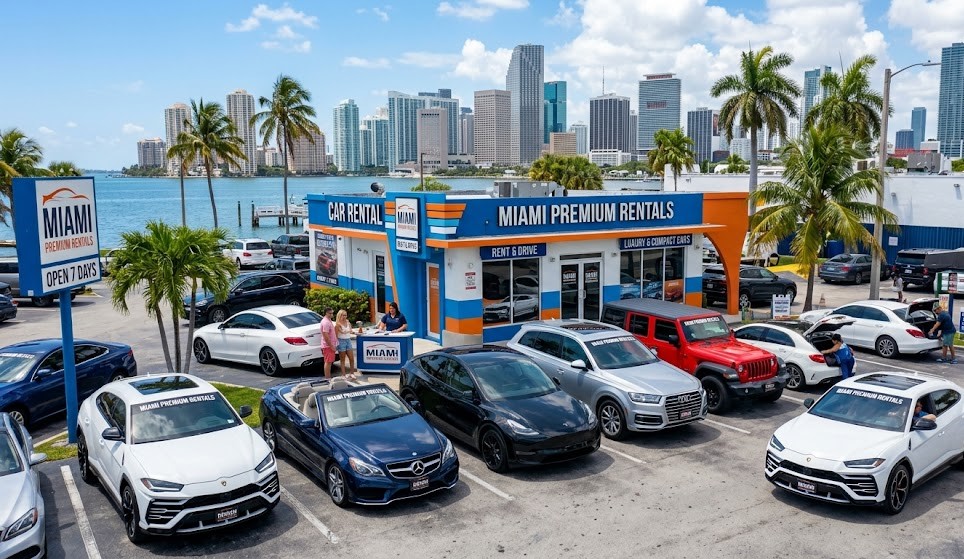
Profitable Car Rental Business for Sale – Miami
Miami, Florida
 Established Business
Busy Convenience Store in Central Miami
Miami, Florida
 Established Business
Profitable Medical Spa in Miami Brickell
Miami, Florida
 Brick & Mortar
Established Fitness Gym in Miami – Turnkey
Miami, Florida
Senior Care in Miami
13 assisted living, nursing & memory care facilities in Miami.
 Senior Care
Abuelito's Retirement Home
Miami, FL
 Senior Care
A Comfort Living Facility
Miami, FL
 Senior Care
A B Care Elderly Services
Miami, FL
 Senior Care
2014 America's Best Nursing Homes
Miami, FL
 Senior Care
Dade County Elderly Services Division
Miami, FL
 Senior Care
Victoria Nursing & Rehabilitation Center
Miami, FL
 Senior Care
The Seniors' Answer
Miami, FL
 Senior Care
Adiuvo Elderly Care - South Miami
Miami, FL
 Senior Care
Amada Senior Care
Miami, FL
 Senior Care
Casterline Group Home
Miami, FL
 Senior Care
Active Adult Day Care
Miami, FL
 Senior Care
Ace Home Health Services Corp
Miami, FL
Free Quotes
Get quotes from local pros in Miami
Tell us what you need and we’ll pass it to companies that serve your area. It’s free, and there’s no obligation.

Compare Miami with any city
See how it stacks up on cost, income, and quality of life.
Start Comparing