



City Profile
Atlanta, Georgia
USA · Comprehensive city data and intelligence
Atlanta, the capital of Georgia, is a vibrant metropolis with a rich history, deeply intertwined with the Civil Rights Movement and its role as a major transportation and business hub in the Southeastern United States. Known as the "City in the Forest" for its extensive tree canopy, Atlanta offers a unique blend of Southern charm and urban sophistication. People are drawn to Atlanta for its burgeoning job market, diverse cultural scene, and a generally lower cost of living compared to other major U.S. cities, making it an attractive destination for professionals, families, and entrepreneurs alike. The city's dynamic spirit is evident in its thriving arts, music, and culinary landscapes, offering a high quality of life with ample opportunities for recreation and entertainment.
Georgia, a southeastern U.S. state, is characterized by its Southern charm, diverse landscapes ranging from mountains to coastline, and a rich cultural blend of Native American, African American, and European influences. The state boasts a thriving and diverse economy with major industries including technology, manufacturing, logistics, agriculture (leading in pecans and blueberries, significant in peanuts and peaches), and a growing film and television production sector. Living in Georgia generally offers a lower cost of living compared to the national average, with mild winters and long, hot, humid summers, supporting a lifestyle that often includes abundant outdoor activities and a strong sense of community.
How this 65/100 was calculated five components, with every reading behind them
| Component | Readings used | Points | Weight | Contributes |
|---|---|---|---|---|
| Safety | Safety score: 72 / 100 | 72.0 | 30% | 21.6 |
| Affordability | Cost of living index (100 = national baseline): 96.0 | 48.8 | 25% | 12.2 |
| Economy & jobs | Median household income: $85,652 Income needed to live here: $55,000 Unemployment rate: 4% | 84.8 | 20% | 17.0 |
| Growth | Population growth rate: 0.59% Job growth rate: 2.1% | 50.9 | 15% | 7.6 |
| Business climate assessment | Business climate assessment: 68 / 100 | 68.0 | 10% | 6.8 |
| Overall score | 65.2 | |||
Provenance.
These figures were produced by the research pass recorded as
Gemini (Tier 1 (fast), q=87), last refreshed
3 October 2026.
They are researched estimates drawn from public sources, not a licensed data feed.
Each component is scored against fixed published endpoints, so this number is comparable with any other city and does not move as the dataset grows. Scoring framework 2026.10 — full methodology, weights and accepted ranges.

Featured Events
Happening in Atlanta
Featured and sponsored events in Atlanta.
Local Directory
Businesses in Atlanta
Featured local businesses in Atlanta.

Performance
Quality Scores
Expenses
Cost of Living
Atlanta's cost of living is generally considered to be on par with or slightly below the national average, making it an attractive option for many. While housing costs can be a significant factor, they remain more affordable than in many other major U.S. cities. Other expenses such as groceries and transportation are also relatively competitive, though utilities can be slightly higher than the national average. The city's overall cost of living index of 95.7 indicates it is slightly below the national average, with housing being a notable area of affordability compared to peer cities.
Income
Salary Insights
Atlanta boasts a robust and diverse economy, driven by strong sectors such as aviation, film and entertainment, FinTech, healthcare, and logistics. Hartsfield-Jackson Atlanta International Airport alone supports tens of thousands of jobs and generates billions in economic impact, highlighting the city's significance as a global hub. The presence of numerous Fortune 500 companies, including Coca-Cola, Home Depot, Delta Air Lines, and UPS, further solidifies Atlanta's position as a major business center. The job market is characterized by steady growth, with projected job growth in Atlanta expected to be significantly higher than the national average over the next decade.
The average salary in Atlanta is $65,000 per year. You would need approximately $55,000 to live comfortably.
Employment
Top Industries
Weather
Climate
Mobility
Transport
Getting around Atlanta involves a mix of driving, public transit, and other options. The city is known for its extensive highway system, including I-285, which encircles the metropolitan area, but also for its notorious traffic congestion. MARTA, the Metropolitan Atlanta Rapid Transit Authority, provides bus and subway services, though public transportation is often cited as a con due to its limitations in covering the sprawling metro area. The average commute time is around 26.5 minutes.

At a Glance
Pros & Cons
Advantages
Drawbacks
Head to Head
Compare Atlanta
Community Q&A
Questions about Atlanta
What people ask about living in and moving to Atlanta, Georgia.
What industries are hiring the most in Atlanta right now?
Atlanta's economy is diversified, with strong hiring activity in sectors such as technology, healthcare, finance, and logistics. The city also hosts a growing film and media production scene and a robust corporate services market. Entry‑level positions are frequently posted by companies that operate in office parks, research centers, and downtown business districts. To explore openings, visit the city’s workforce dev...
How do public schools in Atlanta rank compared to the state average?
Public schools in the Atlanta metropolitan area show a wide range of performance, with many districts meeting or exceeding Georgia's state averages on standardized testing. School quality often varies by neighborhood, so it’s important to research individual school ratings, graduation rates, and extracurricular offerings. The state department of education website provides report cards for each school, and the local s...
Is Atlanta considered a safe city for newcomers?
Atlanta has a safety score of 72 out of 100, indicating a moderate level of safety relative to other U.S. cities. Crime rates differ noticeably between neighborhoods; some central and suburban areas report lower incidents, while certain districts have higher rates of property or violent crime. To assess safety, consult the city's police department crime map, review neighborhood watch forums, and look at recent commun...
How does Atlanta's cost of living compare to the national average?
Atlanta's cost‑of‑living index is 96, which means it is slightly below the national average of 100. Everyday expenses such as groceries, utilities, and transportation tend to be a bit cheaper than in many larger metros, while housing costs are close to the national median. With an average salary of $65,000 per year, most residents find that their earnings cover basic needs comfortably, though discretionary spending w...
What is the typical rent for a one‑bedroom apartment in Atlanta?
The average rent in Atlanta is $1,882 per month, which reflects a range of unit sizes and neighborhoods. One‑bedroom apartments in central or highly sought‑after districts often sit at or above this average, while options farther from the downtown core may be lower. When budgeting, also consider additional costs such as utilities, internet, and parking fees. To find current listings, check regional rental platforms,...
What public transportation options are available for daily commuters?
Atlanta offers a network of bus routes, a rapid‑transit rail system, and commuter rail lines that serve the city and surrounding suburbs. The city transit authority provides fare information, route maps, and real‑time tracking through its website and mobile app. Additionally, there are bike‑share programs and designated bike lanes for shorter trips. For commuters traveling longer distances, park‑and‑ride facilities a...
Where can I find affordable primary care doctors in Atlanta?
Atlanta has a broad range of primary‑care providers, including community health centers, private practices, and university‑affiliated clinics that accept various insurance plans and offer sliding‑scale fees. To locate affordable options, use the health insurance marketplace’s provider search tool, visit the state health department’s directory of community health centers, or explore the local hospital system’s outpati...
What’s the typical work‑life balance like for people living in Atlanta?
Atlanta residents generally experience moderate commute times; many workers travel 20‑30 minutes by car or public transit, though traffic can be heavier during peak hours on major corridors. The city’s mix of urban amenities and nearby green spaces supports a balanced lifestyle, with options for dining, cultural events, and outdoor recreation after work. Employers often offer flexible schedules and remote‑work polici...
What free or low‑cost activities are popular among residents?
Atlanta offers numerous low‑cost attractions, such as public parks with walking trails, city‑run museums with free admission days, and seasonal festivals that showcase local music and food. The riverfront area provides opportunities for kayaking and paddle‑boarding rentals at modest rates, while several neighborhoods host farmers’ markets and art walks. For cultural experiences, check the city’s events calendar for f...
What should I know about utility setup when moving to Atlanta?
When you relocate to Atlanta, you’ll need to arrange for electricity, natural gas (if applicable), water, trash collection, and internet service. The city’s utility commission lists the main providers for each service, and most allow you to set up accounts online or by phone before your move‑in date. Be prepared to provide a copy of your lease or proof of ownership, a photo ID, and a deposit if you have no prior serv...
Some answers here were drafted as a starting point and may be out of date. Live in Atlanta? Add your own.
FAQ
Frequently Asked Questions
Related
Insights about Atlanta
Businesses for Sale in Atlanta
Explore active acquisition & franchise opportunities .
 Home Based Business
Profitable Landscaping & Lawn Care Service in Atlanta
Atlanta, Georgia
 Independent
Profitable Trucking Company for Sale – Atlanta
Atlanta, Georgia
 Established Business
Popular Southern Kitchen Restaurant in Atlanta
Atlanta, Georgia
 Education Center
Turnkey Child Learning Center in Atlanta
Atlanta, Georgia
Senior Care in Atlanta
11 assisted living, nursing & memory care facilities in Atlanta.
 Senior Care
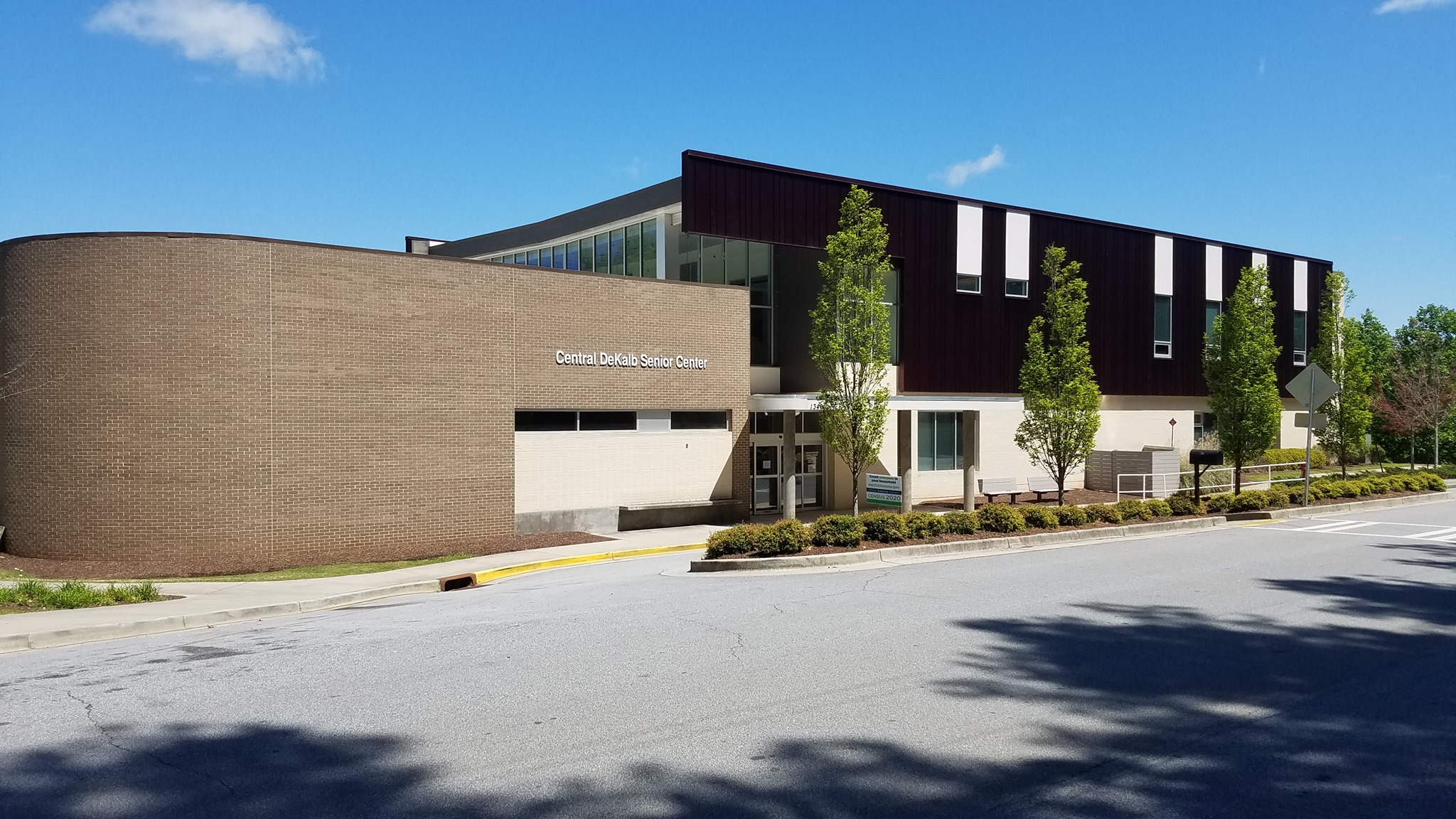
DeKalb Atlanta Senior Center
Atlanta, GA
 Senior Care
The Arbor Company
Atlanta, GA
 Senior Care
Somerby Sandy Springs
Atlanta, GA
 Senior Care
Peachtree Hills Place
Atlanta, GA
 Senior Care
Mt Vernon Village
Atlanta, GA
 Senior Care
Asbury Harris Epworth Towers
Atlanta, GA
 Senior Care
King'sBridge Retirement Community
Atlanta, GA
 Senior Care
Belmont Village Senior Living Buckhead
Atlanta, GA
Senior Care
Belmont Village Senior Living Buckhead
Atlanta, GA
 Senior Care
Azalea Health
Atlanta, GA
 Senior Care
Home Matters Caregiving, North Atlanta
Atlanta, GA
City Guide
Explore Atlanta
Free Quotes
Get quotes from local pros in Atlanta
Tell us what you need and we’ll pass it to companies that serve your area. It’s free, and there’s no obligation.

Compare Atlanta with any city
See how it stacks up on cost, income, and quality of life.
Start Comparing