



City Profile
Valdosta, Georgia
USA · Comprehensive city data and intelligence
Valdosta, known as the 'Azalea City', is located in south-central Georgia just north of the Florida border. Founded in 1860 along the Atlantic Coast Line Railroad, the city has grown into the principal commercial and educational hub of the region, anchored by Valdosta State University. The community blends rich historic architecture with a welcoming southern character, making it an attractive destination for families, professionals, and students alike.
Georgia, a southeastern U.S. state, is characterized by its Southern charm, diverse landscapes ranging from mountains to coastline, and a rich cultural blend of Native American, African American, and European influences. The state boasts a thriving and diverse economy with major industries including technology, manufacturing, logistics, agriculture (leading in pecans and blueberries, significant in peanuts and peaches), and a growing film and television production sector. Living in Georgia generally offers a lower cost of living compared to the national average, with mild winters and long, hot, humid summers, supporting a lifestyle that often includes abundant outdoor activities and a strong sense of community.
How this 56/100 was calculated five components, with every reading behind them
| Component | Readings used | Points | Weight | Contributes |
|---|---|---|---|---|
| Safety | Safety score: 58 / 100 | 58.0 | 30% | 17.4 |
| Affordability | Cost of living index (100 = national baseline): 88.0 | 58.8 | 25% | 14.7 |
| Economy & jobs | Median household income: $46,500 Income needed to live here: $45,000 Unemployment rate: 4.5% | 49.0 | 20% | 9.8 |
| Growth | Population growth rate: 0.8% Job growth rate: 1.8% | 50.5 | 15% | 7.6 |
| Business climate assessment | Business climate assessment: 65 / 100 | 65.0 | 10% | 6.5 |
| Overall score | 56.0 | |||
Provenance.
These figures were produced by the research pass recorded as
Tier 1 (fast) (q=52, partial — below threshold), last refreshed
15 October 2026.
They are researched estimates drawn from public sources, not a licensed data feed.
Each component is scored against fixed published endpoints, so this number is comparable with any other city and does not move as the dataset grows. Scoring framework 2026.10 — full methodology, weights and accepted ranges.

Featured Events
Happening in Valdosta
Featured and sponsored events in Valdosta.
Local Directory
Businesses in Valdosta
Featured local businesses in Valdosta.

Performance
Quality Scores
Expenses
Cost of Living
The cost of living in Valdosta remains notably lower than the national average, making it an affordable place for families and retirees. Housing expenses, including both renting and purchasing, are particularly budget-friendly compared to larger metropolitan areas in Georgia. Everyday goods, services, and utilities generally track below national benchmarks, allowing residents to enjoy a comfortable standard of living.
Income
Salary Insights
Valdosta's economy is anchored by education, healthcare, retail trade, and manufacturing, with major institutions like Valdosta State University and South Georgia Medical Center serving as leading employers. The region also benefits from its proximity to Moody Air Force Base, which contributes significantly to the local economy and workforce stability. Job growth remains steady, supported by local economic development initiatives focused on expanding commercial and industrial sectors.
The average salary in Valdosta is $52,000 per year. You would need approximately $45,000 to live comfortably.
Employment
Top Industries
Weather
Climate
Mobility
Transport
Getting around Valdosta is primarily automobile-dependent, with Interstate 75 serving as the major north-south corridor connecting the city to Atlanta and Florida. Public transit options are limited, though local bus services provide basic coverage for key urban areas. Walkability and bike infrastructure are concentrated mainly around the downtown district and the Valdosta State University campus.

At a Glance
Pros & Cons
Advantages
Drawbacks
Head to Head
Compare Valdosta
Community Q&A
Questions about Valdosta
What people ask about living in and moving to Valdosta, Georgia.
FAQ
Frequently Asked Questions
Featured Businesses for Sale in Georgia
Explore active acquisition & franchise opportunities featured across Georgia — none listed in Valdosta yet@else in Valdosta, Georgia.
Senior Care in Valdosta
17 assisted living, nursing & memory care facilities in Valdosta.
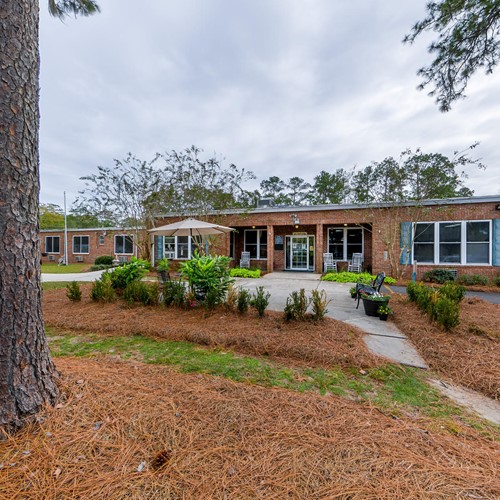 Assisted Living
Pruitthealth-Holly Hill
Valdosta, GA
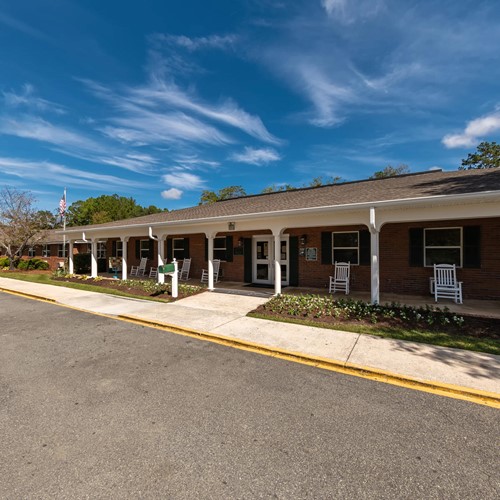 Assisted Living
Pruitthealth - Valdosta
Valdosta, GA
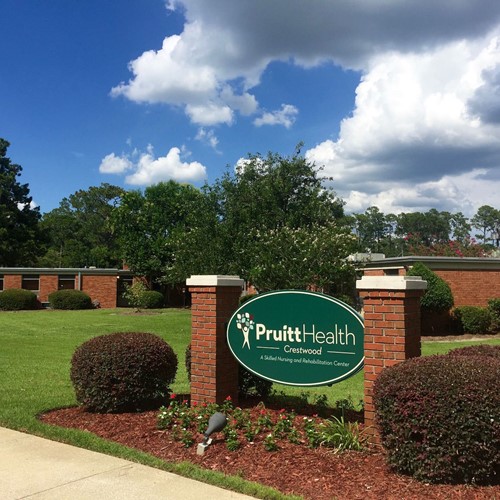 Assisted Living
Pruitthealth - Crestwood
Valdosta, GA
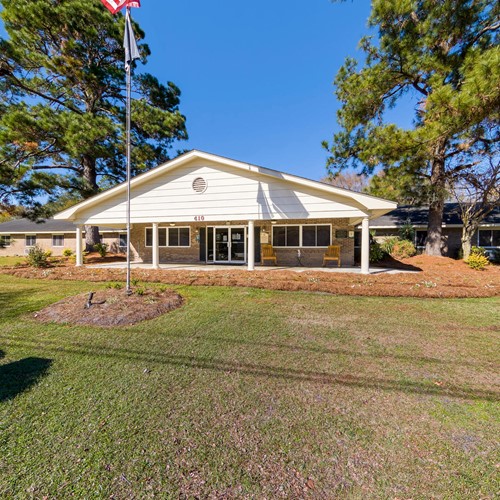 Assisted Living
Pruitthealth - Lakehaven
Valdosta, GA
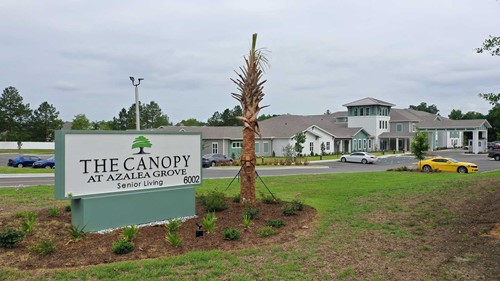 Assisted Living
Canopy at Azalea Grove
Valdosta, GA
Halcyon Hospice
Valdosta, GA
All Ways Caring HomeCare - Valdosta
Valdosta, GA
Bethany Hospice And Palliative Care
Valdosta, GA
Pruitthealth Hospice-Valdosta
Valdosta, GA
Hospice Of South Georgia
Valdosta, GA
Autumn Summers Valdosta
Valdosta, GA
Intrepid USA Healthcare Services
Valdosta, GA
Free Quotes
Get quotes from local pros in Valdosta
Tell us what you need and we’ll pass it to companies that serve your area. It’s free, and there’s no obligation.

Compare Valdosta with any city
See how it stacks up on cost, income, and quality of life.
Start Comparing