



City Profile
Albany, Georgia
USA · Comprehensive city data and intelligence
Albany, Georgia, situated along the banks of the Flint River in Southwest Georgia, is a historic hub known as the 'Good Life City.' Founded in 1836 and named after Albany, New York, the city grew as a vital agricultural and trading center for the region. Today, Albany serves as the economic and cultural anchor of Southwest Georgia, blending rich Civil Rights history—highlighted by the Albany Movement—with Southern charm and outdoor recreation. People are drawn to Albany for its affordable cost of living, tight-knit community feel, and rich heritage in arts and culture.
The city boasts significant historical and cultural landmarks, including the Albany Civil Rights Institute and the Ray Charles Plaza, honoring the legendary musician who spent his formative years in the city. The surrounding natural landscape, featuring the Flint River and Radium Springs Gardens, provides residents with ample opportunities for fishing, hiking, and wildlife viewing. Albany’s character is defined by its resilient spirit, diverse cultural traditions, and warm hospitality, making it a distinct place to live in the Deep South.
Georgia, a southeastern U.S. state, is characterized by its Southern charm, diverse landscapes ranging from mountains to coastline, and a rich cultural blend of Native American, African American, and European influences. The state boasts a thriving and diverse economy with major industries including technology, manufacturing, logistics, agriculture (leading in pecans and blueberries, significant in peanuts and peaches), and a growing film and television production sector. Living in Georgia generally offers a lower cost of living compared to the national average, with mild winters and long, hot, humid summers, supporting a lifestyle that often includes abundant outdoor activities and a strong sense of community.
How this 51/100 was calculated five components, with every reading behind them
| Component | Readings used | Points | Weight | Contributes |
|---|---|---|---|---|
| Safety | Safety score: 45 / 100 | 45.0 | 30% | 13.5 |
| Affordability | Cost of living index (100 = national baseline): 82.0 | 66.3 | 25% | 16.6 |
| Economy & jobs | Median household income: $43,500 Income needed to live here: $42,000 Unemployment rate: 5.2% | 44.7 | 20% | 8.9 |
| Growth | Population growth rate: no usable reading Job growth rate: 1.1% | 42.0 | 15% | 6.3 |
| Business climate assessment | Business climate assessment: 58 / 100 | 58.0 | 10% | 5.8 |
| Overall score | 51.1 | |||
Provenance.
These figures were produced by the research pass recorded as
Tier 1 (fast) (q=52, partial — below threshold), last refreshed
15 October 2026.
They are researched estimates drawn from public sources, not a licensed data feed.
Each component is scored against fixed published endpoints, so this number is comparable with any other city and does not move as the dataset grows. Scoring framework 2026.10 — full methodology, weights and accepted ranges.

Featured Events
Happening in Albany
Featured and sponsored events in Albany.
Local Directory
Businesses in Albany
Featured local businesses in Albany.

Performance
Quality Scores
Expenses
Cost of Living
Albany features a cost of living that is notably lower than the national average, making it an attractive destination for retirees, families, and budget-conscious professionals. Housing costs in particular are exceptionally affordable compared to major metropolitan areas across the United States, allowing residents to secure spacious homes or rentals for a fraction of national median prices. Utilities, groceries, and transportation expenses also track below typical U.S. benchmarks, reducing overall monthly financial pressures.
Lower everyday expenses are balanced by regional economic factors, including median household incomes that lag behind national figures. While affordable housing and everyday goods provide substantial purchasing power, residents must navigate a local job market that has historically experienced slower wage growth than booming coastal metros. Overall, the city's financial climate offers high relative value for those seeking budget-friendly Southern living without sacrificing essential urban amenities.
Income
Salary Insights
Albany’s economy is anchored by healthcare, education, manufacturing, and government services, serving as the primary commercial hub for Southwest Georgia. Major employers such as Phoebe Putney Health System, the Marine Corps Logistics Base Albany, and various public school districts drive regional employment stability. Additionally, the surrounding Dougherty County agricultural sector remains a foundational pillar of the local economy, supporting food processing and supply chain operations.
While traditional sectors dominate, the city has pursued economic diversification initiatives to attract small businesses, technology startups, and remote workers looking for affordable lifestyles. The presence of Albany State University injects a steady stream of young talent and educational programming into the local workforce. Entrepreneurial support networks and regional development authorities continue working to expand commercial opportunities and foster modern industry growth.
The average salary in Albany is $48,000 per year. You would need approximately $42,000 to live comfortably.
Employment
Top Industries
Weather
Climate
Mobility
Transport
Transportation in Albany is heavily centered around personal automobile travel, as the city's layout and suburban expansion make cars the most practical mode of getting around. The Albany Transit System provides public bus routes across key commercial and residential corridors, though service frequencies are limited compared to major metropolitan transit networks. Major thoroughfares like U.S. Route 19 and Interstate 33 nearby facilitate smooth regional driving and commuting.
Walkability and bikeability are generally concentrated in specific commercial strips and downtown districts rather than city-wide, making a vehicle necessary for most daily errands. Average commute times remain relatively short compared to national congested traffic standards, reducing daily transit stress. Albany Northwest Georgia Airport also connects the region with commercial air service to major hubs.

At a Glance
Pros & Cons
Advantages
Drawbacks
Head to Head
Compare Albany
Community Q&A
Questions about Albany
What people ask about living in and moving to Albany, Georgia.
How does the cost of living in Albany compare to the national average?
Albany’s cost‑of‑living index is 82, meaning overall expenses are about 18 % lower than the national average of 100. Housing is a major factor: the average rent for a one‑bedroom unit is $950 per month, which is well below many larger markets. Groceries, utilities, and transportation also tend to be cheaper, though exact savings depend on your lifestyle. With an average local salary of $48,000 per year, many resident...
What is the typical rent for a one‑bedroom apartment in Albany?
The average rent for a one‑bedroom apartment in Albany is $950 per month. This figure reflects a range of options, from older units in established neighborhoods to newer developments closer to the city center. When searching, consider factors such as proximity to major employers, public transit routes, and local amenities like grocery stores and parks. Online rental listings, local property management firms, and the...
What are the main industries hiring in Albany?
Albany’s job market is anchored by healthcare, education, manufacturing, and retail sectors. The city hosts several large hospitals and clinics, which regularly seek nurses, technicians, and support staff. Retail opportunities are plentiful in shopping districts and regional malls, offering positions from sales associate to management. Manufacturing plants and distribution centers also provide skilled‑trade and logis...
How are the public schools rated in Albany?
Albany’s public schools are administered by the local school district, which provides performance data on its website, including test scores, graduation rates, and student‑to‑teacher ratios. Overall ratings vary by individual school, with some elementary campuses receiving higher marks for community involvement and extracurricular programs. Middle schools tend to focus on core academics and offer a range of clubs and...
Is Albany a safe place to live?
Albany’s safety score is 45 out of 100, indicating higher crime levels than the national average. Crime tends to be concentrated in specific areas, while many residential neighborhoods experience relatively low incident rates. The city’s police department publishes monthly crime statistics and community safety reports on its website, which can help you identify safer zones. Consider factors such as lighting, neighbor...
What public transportation options exist in Albany?
Albany is served by a city‑run transit authority that operates fixed‑route bus services across the urban core and surrounding suburbs. Routes typically connect residential areas with major employment centers, shopping districts, and medical facilities. Schedules and fare information are posted on the transit authority’s website and at major bus stops. For areas not covered by bus routes, the city offers paratransit s...
What healthcare facilities are available in Albany?
Albany has several hospitals and medical centers that provide emergency, inpatient, and outpatient services. Primary care physicians operate in private practices throughout the city, often located near commercial corridors or within larger health‑system clinics. The local health department’s website lists licensed providers, specialty clinics, and hospital locations, along with patient satisfaction scores and accredi...
What are the top recreational activities in Albany?
Albany offers a range of family‑friendly recreation, including parks with playgrounds, walking trails, and sports fields. The city maintains several community centers that host swimming pools, fitness classes, and seasonal events. Cultural attractions feature museums and historic sites that provide educational programs for children. Outdoor enthusiasts can explore nearby lakes and nature preserves for fishing, kayaki...
What should I know about utilities when moving to Albany?
When you move to Albany, you’ll need to arrange for electricity, water, natural gas (if applicable), and broadband internet. The city’s utility providers are listed on the municipal website, which includes contact numbers, service plans, and typical connection fees. Most utilities require a short lead‑time for activation, so it’s advisable to set up accounts at least two weeks before your move‑in date. Some providers...
What’s the climate like in Albany throughout the year?
Albany has a humid subtropical climate, characterized by hot, humid summers and mild winters. Summer daytime highs frequently reach the low 90s °F (32‑34 °C) with high humidity, while evenings provide some relief. Spring and fall are generally pleasant, with temperatures ranging from the 60s to 80s °F (15‑27 °C). Winters are mild; average lows hover in the 30s °F (0‑4 °C) and snowfall is rare. The area receives moder...
Some answers here were drafted as a starting point and may be out of date. Live in Albany? Add your own.
FAQ
Frequently Asked Questions
Businesses for Sale in Albany
Explore active acquisition & franchise opportunities .

Senior Care in Albany
12 assisted living, nursing & memory care facilities in Albany.
 Assisted Living
The Phoenix at Albany
Albany, GA
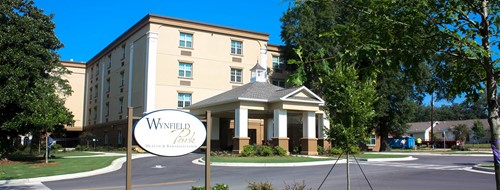 Assisted Living
Wynfield Park Health And Rehabilitation
Albany, GA
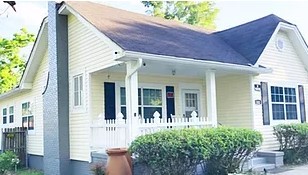 Assisted Living
David & Ametra Berry
Albany, GA
Phoebe Hospice
Albany, GA
ROSEGREEN HEALTH CARE SERVICES
Albany, GA
Intrepid USA Healthcare Services
Albany, GA
Integrity Hospice
Albany, GA
All Ways Caring HomeCare - Albany
Albany, GA
Affinis Hospice, LLC
Albany, GA
Chsga Home Health
Albany, GA
Pruitthealth - Palmyra
Albany, GA
Phoebe Home Health
Albany, GA
City Guide
Explore Albany
Free Quotes
Get quotes from local pros in Albany
Tell us what you need and we’ll pass it to companies that serve your area. It’s free, and there’s no obligation.

Compare Albany with any city
See how it stacks up on cost, income, and quality of life.
Start Comparing