



City Profile
Idaho Falls, Idaho
USA · Comprehensive city data and intelligence
Idaho Falls serves as the economic and cultural hub of eastern Idaho, nestled along the banks of the Snake River. Originally established as a toll bridge crossing and agricultural trading post, the city has evolved into a vibrant regional center driven by proximity to the Idaho National Laboratory and a booming technology and energy sector. Residents and newcomers are drawn to Idaho Falls for its unique combination of urban amenities, historic downtown charm, and immediate access to world-class outdoor recreation like Yellowstone National Park and Grand Teton National Park. The community maintains a welcoming, family-friendly atmosphere while experiencing steady population growth and economic expansion.
Over recent years, Idaho Falls has successfully diversified its economy beyond traditional agriculture and energy research. The historic downtown district has undergone a significant revitalization, featuring local boutiques, craft breweries, art galleries, and farm-to-table dining establishments along the scenic River Walk. Neighborhoods range from historic homes with mature tree-lined streets to modern suburban developments offering stunning views of the surrounding mountains. This balance of professional opportunity and high quality of life makes it one of the most desirable mid-sized cities in the Intermountain West.
Idaho, known as the "Gem State," is characterized by its vast natural beauty, including mountains, forests, and rivers, fostering a community-oriented and slower-paced lifestyle. The economy is diverse, with major industries including agriculture (especially potatoes), food processing, lumber and wood products, manufacturing, technology, mining, and a growing tourism sector. The cost of living in Idaho is generally below the national average, though housing costs in popular areas are rising. The climate varies across the state, with cold winters and warm, dry summers, and significant regional differences in precipitation and temperature due to elevation.
How this 71/100 was calculated five components, with every reading behind them
| Component | Readings used | Points | Weight | Contributes |
|---|---|---|---|---|
| Safety | Safety score: 78 / 100 | 78.0 | 30% | 23.4 |
| Affordability | Cost of living index (100 = national baseline): 93.0 | 52.5 | 25% | 13.1 |
| Economy & jobs | Median household income: $74,500 Income needed to live here: $52,000 Unemployment rate: 3.2% | 82.0 | 20% | 16.4 |
| Growth | Population growth rate: 1.8% Job growth rate: 2.8% | 73.0 | 15% | 11.0 |
| Business climate assessment | Business climate assessment: 72 / 100 | 72.0 | 10% | 7.2 |
| Overall score | 71.1 | |||
Provenance.
These figures were produced by the research pass recorded as
Tier 1 (fast) (q=52, partial — below threshold), last refreshed
16 October 2026.
They are researched estimates drawn from public sources, not a licensed data feed.
Each component is scored against fixed published endpoints, so this number is comparable with any other city and does not move as the dataset grows. Scoring framework 2026.10 — full methodology, weights and accepted ranges.
Featured Events
Happening in Idaho Falls
Featured and sponsored events in Idaho Falls.
Local Directory
Businesses in Idaho Falls
Featured local businesses in Idaho Falls.

Performance
Quality Scores
Expenses
Cost of Living
The cost of living in Idaho Falls generally hovers slightly below the national average, making it an attractive destination for families, remote workers, and retirees looking to stretch their budgets. Housing costs, while having risen significantly over recent years due to high demand and regional migration, remain more affordable compared to larger metropolitan areas in neighboring states like Utah and Washington. Everyday expenses such as groceries, utilities, and local services are competitively priced, though transportation costs can fluctuate based on regional fuel prices and vehicle maintenance required for winter driving.
Utility costs in Idaho Falls are notably lower than the national average, largely due to abundant regional hydroelectric power provided by the Snake River and surrounding regional energy infrastructure. While housing demand has driven up average rent and home purchase prices, property taxes remain relatively moderate compared to coastal states. Overall, residents find that the local wage-to-cost ratio provides a comfortable standard of living, particularly for professionals employed in the STEM, healthcare, and energy sectors.
Income
Salary Insights
The job market in Idaho Falls is anchored heavily by the Idaho National Laboratory (INL), a premier nuclear research facility operated by the Department of Energy that employs thousands of scientists, engineers, and support staff. Beyond government research, healthcare systems such as Mountain View Hospital and Eastern Idaho Regional Medical Center serve as major regional employers. Agriculture, food processing, and construction also contribute significantly to the local economy, while a growing community of tech startups and remote professionals continues to diversify the commercial landscape.
Economic growth in Idaho Falls has remained resilient, supported by low state corporate tax rates and a pro-business regulatory environment overseen by local municipal leadership. Job growth rates consistently outpace the national average, driven by expansions in clean energy technology, advanced manufacturing, and professional services. While traditional industries still form the backbone of employment, remote workers have increasingly settled in the area to take advantage of high-speed municipal broadband and proximity to outdoor recreation.
The average salary in Idaho Falls is $72,000 per year. You would need approximately $52,000 to live comfortably.
Employment
Top Industries
Weather
Climate
Mobility
Transport
Transportation in Idaho Falls is predominantly automobile-centric, with a well-designed grid system that keeps average commute times relatively short compared to major urban centers. The city is bisected by Interstate 15 and US Highway 20, providing efficient regional connectivity to Boise, Salt Lake City, and Yellowstone National Park. Public transit is available via TRPTA (Snake River Transit), offering fixed bus routes and demand-response services, though most residents rely on personal vehicles for daily commuting and errands.
Walkability is high in the historic downtown core and immediate surrounding residential neighborhoods, featuring pedestrian-friendly streetscapes and access to the River Walk. However, outlying residential and commercial strips require driving. The Idaho Falls Regional Airport (IDA) provides convenient commercial air service with direct flights to major Western hubs, minimizing the need for lengthy drives to catch flights.

At a Glance
Pros & Cons
Advantages
Drawbacks
Head to Head
Compare Idaho Falls
Community Q&A
Questions about Idaho Falls
What people ask about living in and moving to Idaho Falls, Idaho.
How does Idaho Falls compare to the national average on living expenses?
Idaho Falls generally has a cost of living that is slightly below the national average. Housing, groceries, and utilities tend to be more affordable compared to larger urban centers. Transportation costs are moderate, with moderate fuel prices and a limited but functional public transit system. Overall, residents often find that their purchasing power is higher than in many coastal or major metropolitan areas, allowi...
What industries are most common for employment in Idaho Falls?
Healthcare, education, and public services are major employers in Idaho Falls. The region also hosts manufacturing, retail, and logistics companies that provide a range of positions from entry‑level to skilled trades. The local economy benefits from a mix of small businesses and regional corporate offices. Job seekers can explore opportunities through state labor resources, local business directories, and industry‑sp...
How are the public schools in Idaho Falls rated?
Public schools in Idaho Falls generally receive solid ratings, with many schools earning above‑average performance on state assessments. The district offers a range of programs, including advanced placement and special education services. Parent reviews often highlight supportive staff and community involvement. For detailed ratings, exam results, and program descriptions, consult the state education department’s sch...
Is Idaho Falls a safe place to live?
Idaho Falls has crime rates that are below the national average, with most incidents being non‑violent property crimes. Neighborhoods tend to be family‑friendly, and local law enforcement maintains a visible presence. Community watch programs and neighborhood associations contribute to a sense of safety. For the most current crime statistics, review the city’s annual safety reports or consult the state’s crime data p...
What healthcare facilities are in Idaho Falls?
Idaho Falls hosts several hospitals and medical centers that provide general and specialty services, including emergency care, surgery, and outpatient clinics. The region also offers diagnostic imaging, rehabilitation, and mental health services. For a comprehensive list of providers, check the state health department’s facility directory or the city’s health services page. Visiting local medical centers for a tour c...
What should I know about moving into Idaho Falls from out of state?
Plan your move by researching local utility providers, setting up a new address with the postal service, and registering for local services such as waste collection. Consider the climate—wet winters and warm summers—when packing. Familiarize yourself with the city’s zoning and building codes if you plan to renovate. Joining community groups or online forums can provide tips on settling in, finding local services, and...
What outdoor activities can I enjoy near Idaho Falls?
The area around Idaho Falls offers abundant outdoor recreation. Nearby rivers and lakes support fishing, kayaking, and boating. Trails along the Snake River and surrounding foothills provide hiking, biking, and wildlife observation opportunities. Seasonal activities include cross‑country skiing and snowshoeing in the winter months. Local parks and nature preserves offer picnic areas and educational programs, making t...
What are the typical home prices in Idaho Falls?
Single‑family homes in Idaho Falls usually range from the mid‑$200,000s to the low‑$400,000s, depending on size, location, and condition. Condominiums and townhomes can be found in the $150,000 to $250,000 range. Prices vary across neighborhoods; waterfront or newer developments command higher values, while older homes in established areas may be more affordable. Checking local real‑estate listings and recent sales d...
What public transportation options are available in Idaho Falls?
The city offers a modest bus network that connects residential areas with downtown, commercial centers, and nearby medical facilities. The transit system operates weekday routes with a few extended hours on weekends. For schedules, fare information, and route maps, visit the city’s transportation department website or use the local transit app. Additionally, ride‑share services and bike lanes are available for shorte...
What is the climate like in Idaho Falls throughout the year?
Idaho Falls experiences a semi‑arid climate with four distinct seasons. Winters are cold, with average lows around 10°F and occasional snowfall, while summers are warm, averaging highs in the 80s°F. Spring and fall are mild and relatively dry. Precipitation is moderate, mostly falling as rain in spring and early summer, and as snow during winter months. Seasonal weather patterns influence outdoor activities and seaso...
Some answers here were drafted as a starting point and may be out of date. Live in Idaho Falls? Add your own.
FAQ
Frequently Asked Questions
Businesses for Sale in Idaho Falls
Explore active acquisition & franchise opportunities .
Senior Care in Idaho Falls
34 assisted living, nursing & memory care facilities in Idaho Falls.
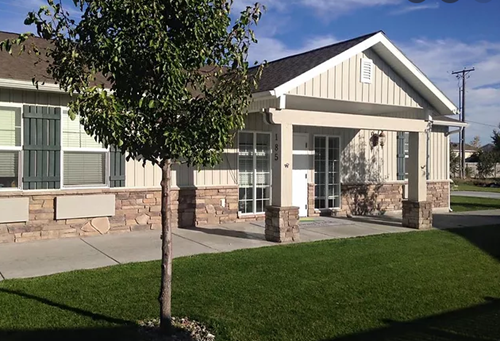 Assisted Living
Broadway Hills
Idaho Falls, ID
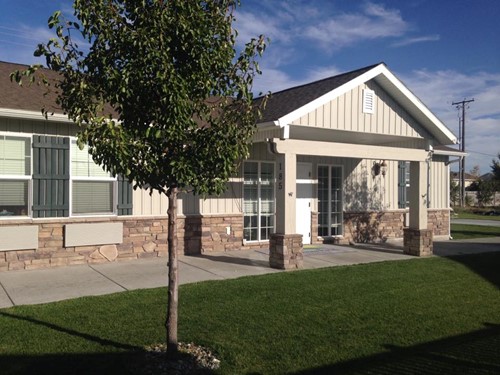 Assisted Living
Broadway Fields Assisted Living
Idaho Falls, ID
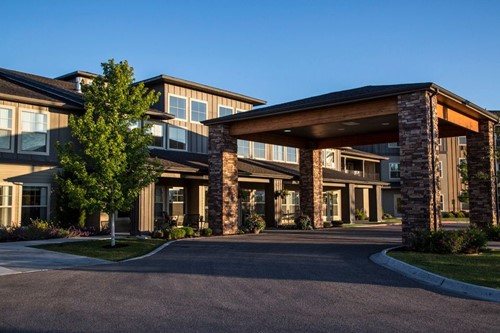 Senior Care
Idaho Falls
Idaho Falls, ID
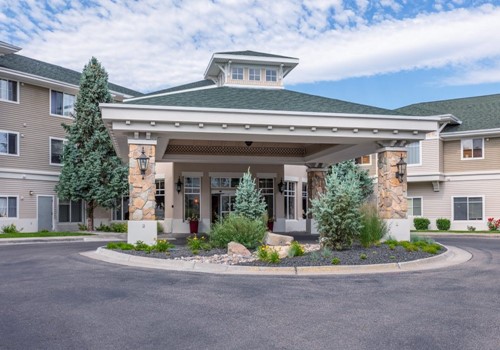 Senior Care
Fairwinds - Sand Creek
Idaho Falls, ID
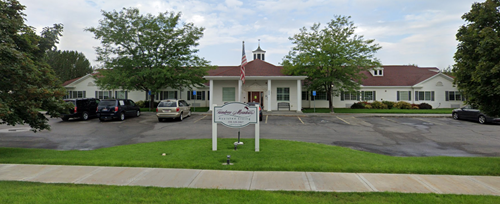 Assisted Living
Tambree Meadows Assisted Living and Memory Care
Idaho Falls, ID
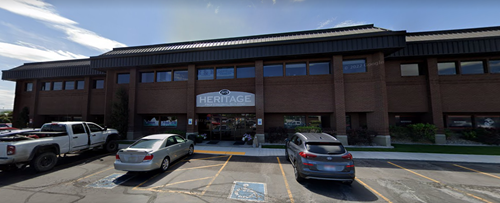 Assisted Living
Visiting Angels
Idaho Falls, ID
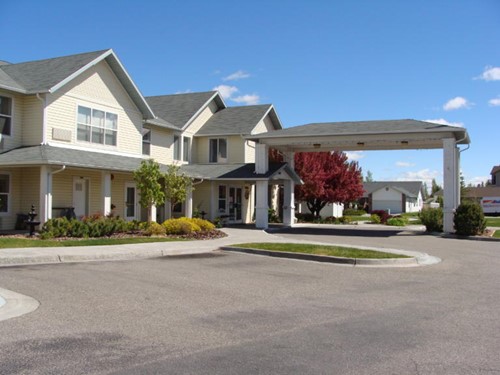 Assisted Living
Parkwood Meadows Assisted Living
Idaho Falls, ID
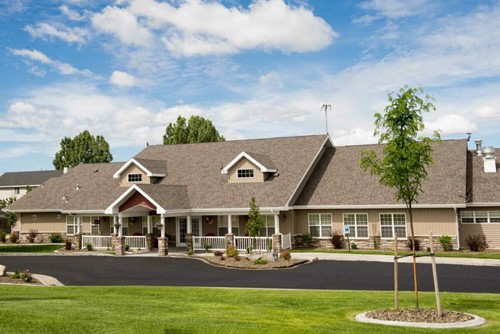 Assisted Living
Gables of Idaho Falls Assisted Living & Memory Care
Idaho Falls, ID
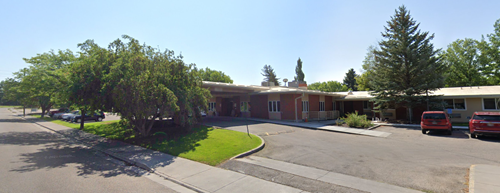 Assisted Living
Good Samaritan Society - Idaho Falls Village
Idaho Falls, ID
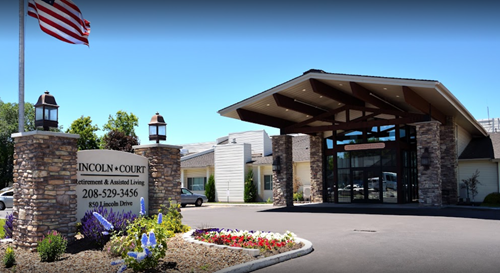 Senior Care
Lincoln Court
Idaho Falls, ID
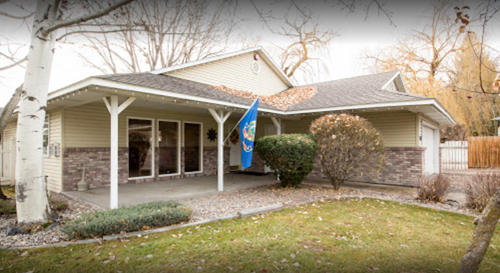 Assisted Living
Lily and Syringa Assisted Living
Idaho Falls, ID
Eden Home Health -Idahofalls
Idaho Falls, ID
Free Quotes
Get quotes from local pros in Idaho Falls
Tell us what you need and we’ll pass it to companies that serve your area. It’s free, and there’s no obligation.

Compare Idaho Falls with any city
See how it stacks up on cost, income, and quality of life.
Start Comparing