



Aurora, Illinois, located primarily in Kane and DuPage counties, is the second-most populous city in the state and holds a rich industrial history as the 'City of Lights' for being one of the first in the US to adopt electric street lighting. Situated along the Fox River, the city has evolved from a manufacturing powerhouse into a diverse, sprawling suburban hub that blends historic charm with modern residential and commercial developments. People are drawn to Aurora for its excellent schools, vibrant downtown arts scene, and relatively accessible proximity to Chicago while retaining its own distinct identity.
Illinois, known as the "Prairie State," offers a diverse character ranging from the bustling metropolis of Chicago to expansive farmlands. Its economy is among the largest and most diversified in the U.S., with major industries including advanced manufacturing, agriculture and food processing, life sciences, technology, and transportation and logistics. While the cost of living statewide is generally considered moderate, housing costs in Chicago can be higher than the national average. Illinois experiences all four seasons, with hot, humid summers and cold, snowy winters, and is susceptible to severe storms and tornadoes, particularly in spring. Residents enjoy a lifestyle that balances world-class cultural amenities and career opportunities with challenges such as high taxes and urban congestion.
How this 63/100 was calculated five components, with every reading behind them
| Component | Readings used | Points | Weight | Contributes |
|---|---|---|---|---|
| Safety | Safety score: 70 / 100 | 70.0 | 30% | 21.0 |
| Affordability | Cost of living index (100 = national baseline): 96.0 | 48.8 | 25% | 12.2 |
| Economy & jobs | Median household income: $84,500 Income needed to live here: $58,000 Unemployment rate: 4.3% | 76.7 | 20% | 15.3 |
| Growth | Population growth rate: 0.5% Job growth rate: 1.9% | 47.8 | 15% | 7.2 |
| Business climate assessment | Business climate assessment: 72 / 100 | 72.0 | 10% | 7.2 |
| Overall score | 62.9 | |||
Provenance.
These figures were produced by the research pass recorded as
Tier 1 (fast) (q=52, partial — below threshold), last refreshed
16 October 2026.
They are researched estimates drawn from public sources, not a licensed data feed.
Each component is scored against fixed published endpoints, so this number is comparable with any other city and does not move as the dataset grows. Scoring framework 2026.10 — full methodology, weights and accepted ranges.

Featured Events
Happening in Aurora
Featured and sponsored events in Aurora.
Local Directory
Businesses in Aurora
Featured local businesses in Aurora.

Performance
Quality Scores
Expenses
Cost of Living
The cost of living in Aurora is generally on par with or slightly below the national metropolitan average, making it an attractive alternative to living directly in downtown Chicago. Housing costs, while rising over recent years, remain significantly more affordable than in Cook County and the immediate western suburbs like Naperville, allowing families to secure more space for their investment. Everyday expenses such as groceries, utilities, and transportation track closely with typical Illinois economic indexes, though property taxes remain a notable consideration for homeowners across the region.
Income
Salary Insights
Aurora boasts a robust and diversified economy anchored by healthcare, education, logistics, and advanced manufacturing sectors. Major employers like Rush Copley Medical Center and Advocate Aurora Health provide substantial employment in the medical field, while the city's strategic location along the Interstate 88 corridor has fostered a thriving tech and corporate logistics presence. Additionally, the downtown area continues to see revitalization efforts, encouraging local entrepreneurship, retail growth, and a steady influx of remote workers seeking suburban comfort.
The average salary in Aurora is $74,000 per year. You would need approximately $58,000 to live comfortably.
Employment
Top Industries
Weather
Climate
Mobility
Transport
Getting around Aurora relies heavily on personal vehicles, supported by major thoroughfares like I-88 and Route 59, though public transit options connect commuters directly to Chicago. The Metra BNSF Railway line provides reliable commuter rail service from two downtown stations directly into Chicago's Union Station, making it a viable hub for downtown workers. Pace bus services operate local routes throughout the city, and walkability is moderate to high specifically within the historic downtown and surrounding transit-oriented neighborhoods.

At a Glance
Pros & Cons
Advantages
Drawbacks
Community Q&A
Questions about Aurora
What people ask about living in and moving to Aurora, Illinois.
FAQ
Frequently Asked Questions
Businesses for Sale in Aurora
Explore active acquisition & franchise opportunities .
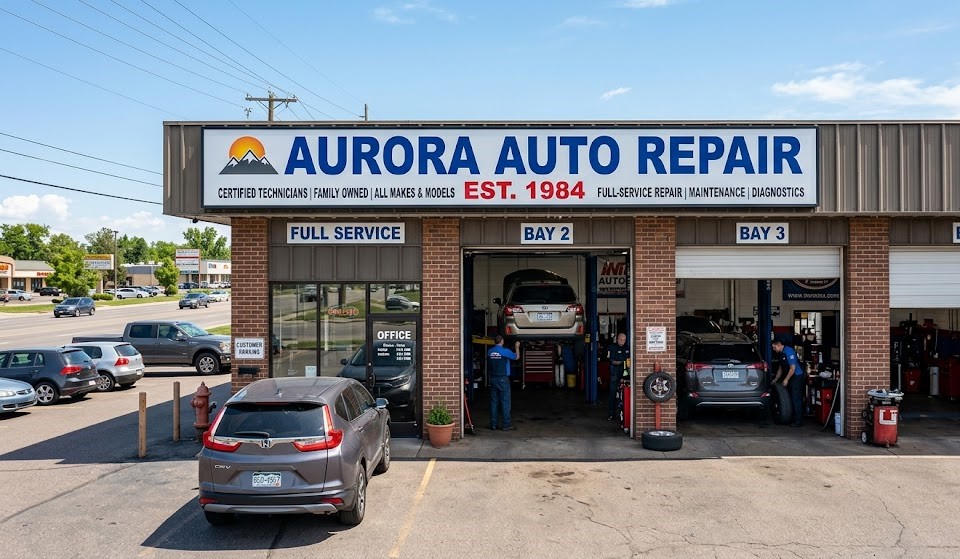

Senior Care in Aurora
28 assisted living, nursing & memory care facilities in Aurora.
 Senior Care
Alden of Waterford Rehabilitation and Health Care Center
Aurora, IL
 Senior Care
Downer Place I of LSSI
Aurora, IL
 Senior Care
Associate Senior Services
Aurora, IL
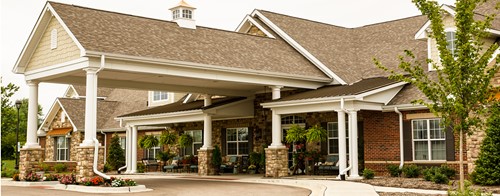 Assisted Living
Bickford of Aurora
Aurora, IL
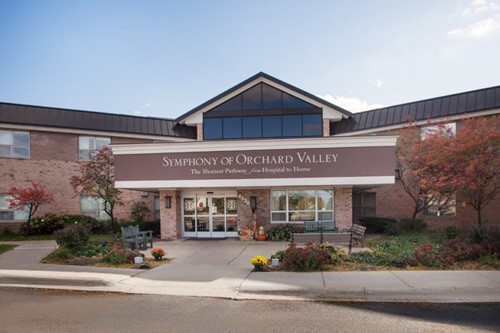 Assisted Living
Symphony of Orchard Valley
Aurora, IL
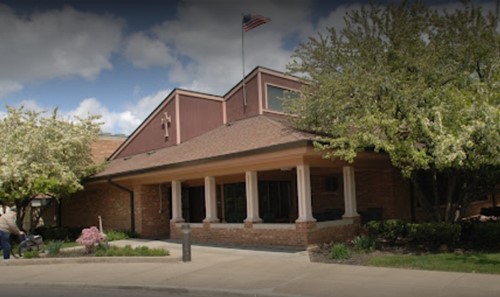 Assisted Living
Avantara Aurora
Aurora, IL
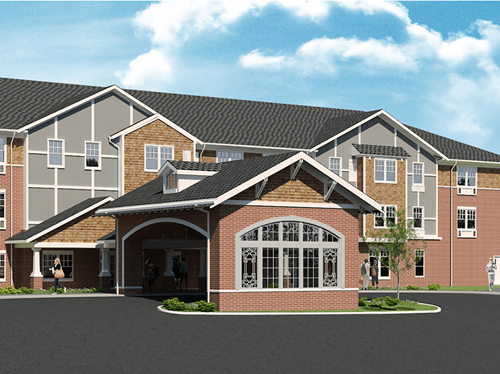 Senior Care
Bright Oaks of Aurora
Aurora, IL
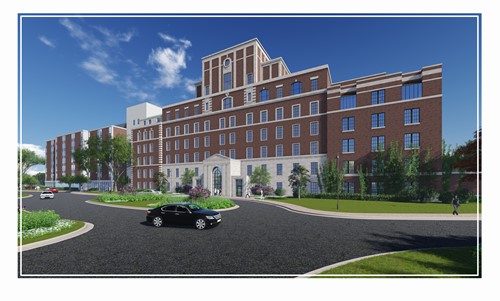 Senior Care
Bardwell Residences
Aurora, IL
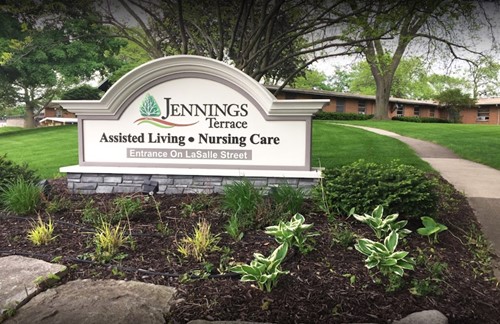 Senior Care
Jennings Terrace
Aurora, IL
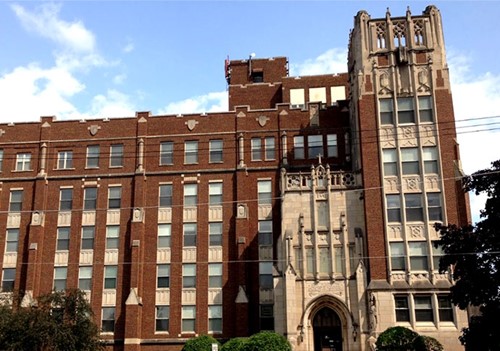 Senior Care
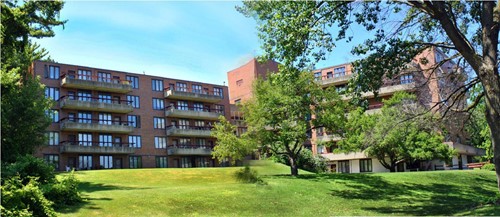
Ascension Living Fox Knoll Village
Aurora, IL
 Senior Care
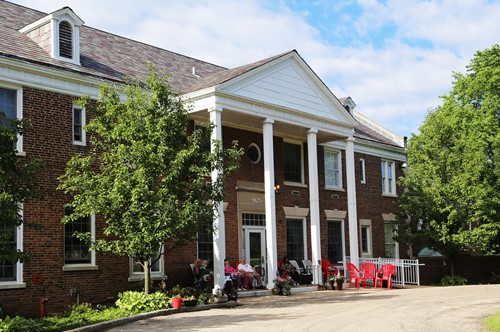
Plum Landing Retirement Community
Aurora, IL
 Senior Care
Sunnymere
Aurora, IL
City Guide
Explore Aurora
Free Quotes
Get quotes from local pros in Aurora
Tell us what you need and we’ll pass it to companies that serve your area. It’s free, and there’s no obligation.

Compare Aurora with any city
See how it stacks up on cost, income, and quality of life.
Start Comparing