



City Profile
Joliet, Illinois
USA · Comprehensive city data and intelligence
Joliet, Illinois, located about 30 miles southwest of Chicago, is a historic canal town that has evolved into a major logistics and industrial hub in Will and Kendall counties. Founded along the Des Plaines River, the city honors its heritage through landmarks like the Rialto Square Theatre while continuously adapting to modern economic demands. Today, Joliet serves as a vibrant, growing community that blends its industrial roots with sprawling residential neighborhoods, a diverse population, and expanding commercial corridors.
People are drawn to Joliet for its strategic geographic location, which offers convenient access to major interstate highways, freight rail networks, and commuter rail services connecting directly to downtown Chicago. The city provides a suburban lifestyle with urban amenities, featuring local parks, cultural festivals, and recreational opportunities along the Des Plaines River and Illinois and Michigan Canal. With a mix of historic homes, mid-century subdivisions, and newer developments, Joliet accommodates a wide range of residents seeking relative affordability within the Chicago metropolitan area.
Illinois, known as the "Prairie State," offers a diverse character ranging from the bustling metropolis of Chicago to expansive farmlands. Its economy is among the largest and most diversified in the U.S., with major industries including advanced manufacturing, agriculture and food processing, life sciences, technology, and transportation and logistics. While the cost of living statewide is generally considered moderate, housing costs in Chicago can be higher than the national average. Illinois experiences all four seasons, with hot, humid summers and cold, snowy winters, and is susceptible to severe storms and tornadoes, particularly in spring. Residents enjoy a lifestyle that balances world-class cultural amenities and career opportunities with challenges such as high taxes and urban congestion.
How this 64/100 was calculated five components, with every reading behind them
| Component | Readings used | Points | Weight | Contributes |
|---|---|---|---|---|
| Safety | Safety score: 62 / 100 | 62.0 | 30% | 18.6 |
| Affordability | Cost of living index (100 = national baseline): 92.0 | 53.8 | 25% | 13.4 |
| Economy & jobs | Median household income: $81,200 Income needed to live here: $52,000 Unemployment rate: 4.6% | 81.3 | 20% | 16.3 |
| Growth | Population growth rate: 0.8% Job growth rate: 1.9% | 51.5 | 15% | 7.7 |
| Business climate assessment | Business climate assessment: 75 / 100 | 75.0 | 10% | 7.5 |
| Overall score | 63.5 | |||
Provenance.
These figures were produced by the research pass recorded as
Tier 1 (fast) (q=52, partial — below threshold), last refreshed
16 October 2026.
They are researched estimates drawn from public sources, not a licensed data feed.
Each component is scored against fixed published endpoints, so this number is comparable with any other city and does not move as the dataset grows. Scoring framework 2026.10 — full methodology, weights and accepted ranges.

Featured Events
Happening in Joliet
Featured and sponsored events in Joliet.
Local Directory
Businesses in Joliet
Featured local businesses in Joliet.

Performance
Quality Scores
Expenses
Cost of Living
The cost of living in Joliet is generally slightly below the national average and notably lower than Chicago proper, making it an attractive destination for families and professionals seeking budget-friendly housing. Expenses such as groceries, utilities, and transportation hover close to standard regional benchmarks, while local services remain competitively priced compared to northern Cook County suburbs. Property taxes in Will County, however, can exert upward pressure on homeownership costs, requiring careful budgeting for buyers navigating the local real estate market.
Downward pressure on everyday expenses comes from affordable retail options, moderately priced dining, and reasonable healthcare services accessible throughout the region. While housing costs have appreciated in recent years alongside broader national trends, Joliet still offers more square footage per dollar than many inner-ring Chicago suburbs. This favorable balance between income potential and household expenditures allows residents to enjoy a comfortable standard of living without the steep overhead typically found closer to major metropolitan centers.
Income
Salary Insights
Joliet's economy is anchored by logistics, warehousing, manufacturing, healthcare, and retail trade, capitalizing on its designation as a premier national inland port. Major employers include healthcare systems like Ascension Saint Joseph, regional school districts, and massive distribution centers for Fortune 500 companies situated in the city's expansive industrial parks. The city's strategic placement at the intersection of I-80 and I-55 continues to attract supply chain and transportation investments, generating steady employment opportunities across various skill levels.
In addition to traditional blue-collar and logistics sectors, Joliet features a growing professional services market and a robust remote work community supported by accessible high-speed internet infrastructure. The local workforce benefits from proximity to higher education institutions like Joliet Junior College and University of St. Francis, which help align workforce training with regional employer needs. While traditional industries dominate local payrolls, entrepreneurship is supported through local chamber initiatives and business development resources designed to foster small business growth.
The average salary in Joliet is $68,500 per year. You would need approximately $52,000 to live comfortably.
Employment
Top Industries
Weather
Climate
Mobility
Transport
Transportation in Joliet is heavily automobile-dependent, with major thoroughfares like Interstate 80, Interstate 55, and U.S. Route 30 facilitating regional travel and commuting. The average commute time reflects regional patterns, as many residents travel to surrounding industrial parks or commute into Chicago for work. Traffic congestion can peak during traditional rush hours, particularly around major highway interchanges and freight-heavy distribution corridors.
Public transportation is supported by Pace suburban bus routes and Metra rail service via the Rock Island District line, which provides direct commuter connections to downtown Chicago. While parts of the historic downtown area offer pedestrian-friendly layouts, most modern residential subdivisions require a car for daily errands, resulting in moderate walkability and transit scores typical of outer-ring metropolitan suburbs.

At a Glance
Pros & Cons
Advantages
Drawbacks
Head to Head
Compare Joliet
Community Q&A
Questions about Joliet
What people ask about living in and moving to Joliet, Illinois.
FAQ
Frequently Asked Questions
Featured Businesses for Sale in Illinois
Explore active acquisition & franchise opportunities featured across Illinois — none listed in Joliet yet@else in Joliet, Illinois.
Senior Care in Joliet
26 assisted living, nursing & memory care facilities in Joliet.
 Senior Care
Ascension Living Villa Franciscan Place
Joliet, IL
 Senior Care
Autumn Country Club
Joliet, IL
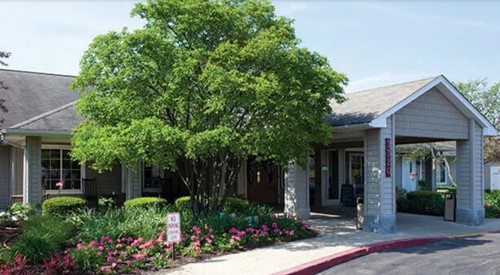 Assisted Living
Rock Run Place - Assisted Living
Joliet, IL
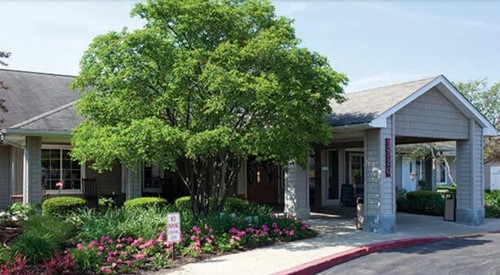 Assisted Living
Rock Run Place - Memory Care
Joliet, IL
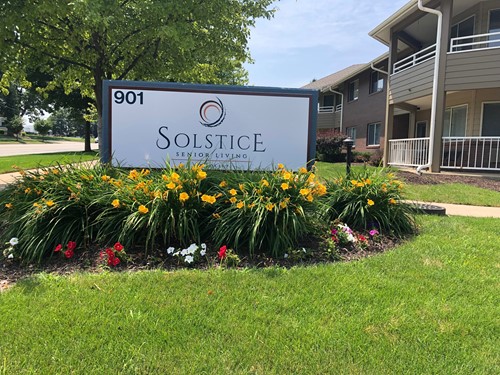 Senior Care
Solstice Senior Living at Joliet
Joliet, IL
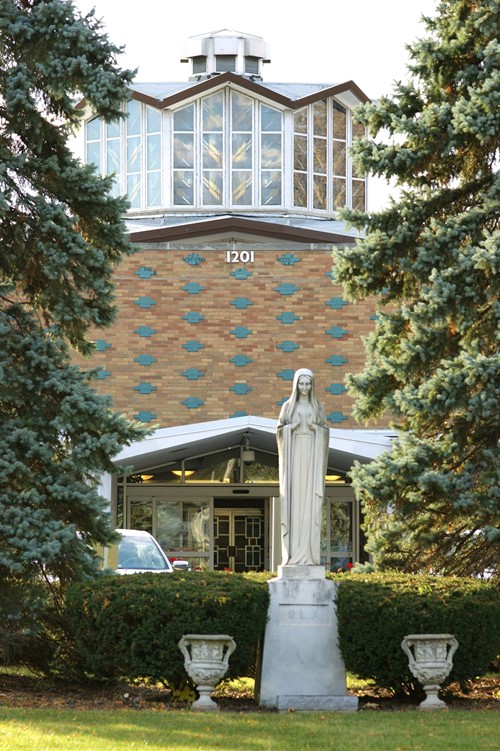 Senior Care
Our Lady of Angels Retirement Home - Independent & Assisted...
Joliet, IL
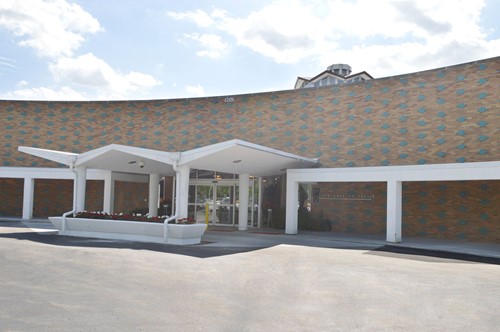 Assisted Living
Our Lady of Angels Retirement Home
Joliet, IL
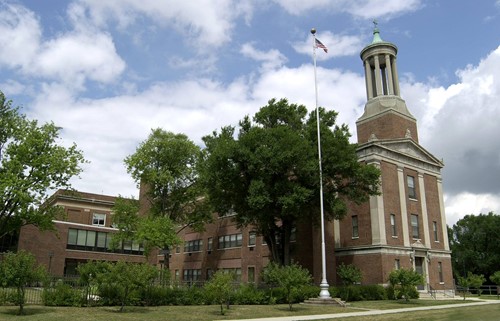 Senior Care
Victory Centre of Joliet
Joliet, IL
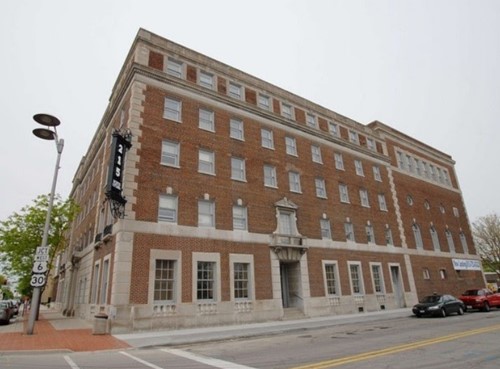 Senior Care
Senior Suites of Joliet
Joliet, IL
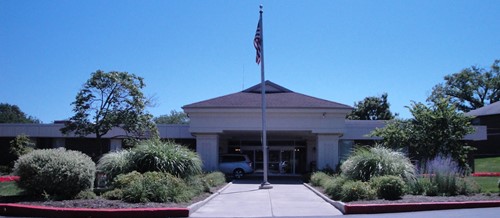 Assisted Living
Sunny Hill Nursing Home Of Will County
Joliet, IL
Lightways Hospice And Serious Illness Care
Joliet, IL
Centered Care Hospice And Palliative, LLC
Joliet, IL
City Guide
Explore Joliet
Free Quotes
Get quotes from local pros in Joliet
Tell us what you need and we’ll pass it to companies that serve your area. It’s free, and there’s no obligation.

Compare Joliet with any city
See how it stacks up on cost, income, and quality of life.
Start Comparing