



City Profile
Orland Park, Illinois
USA · Comprehensive city data and intelligence
Orland Park is a prominent southwestern suburb of Chicago, located in Cook County, Illinois. Established as a village in 1892, it has evolved from a rural farming community into a thriving regional hub characterized by master-planned residential areas, extensive retail developments, and abundant green spaces. Families and professionals are drawn to the area for its exceptional public schools, safe neighborhoods, and strategic location offering convenient access to downtown Chicago.
Illinois, known as the "Prairie State," offers a diverse character ranging from the bustling metropolis of Chicago to expansive farmlands. Its economy is among the largest and most diversified in the U.S., with major industries including advanced manufacturing, agriculture and food processing, life sciences, technology, and transportation and logistics. While the cost of living statewide is generally considered moderate, housing costs in Chicago can be higher than the national average. Illinois experiences all four seasons, with hot, humid summers and cold, snowy winters, and is susceptible to severe storms and tornadoes, particularly in spring. Residents enjoy a lifestyle that balances world-class cultural amenities and career opportunities with challenges such as high taxes and urban congestion.
How this 66/100 was calculated five components, with every reading behind them
| Component | Readings used | Points | Weight | Contributes |
|---|---|---|---|---|
| Safety | Safety score: 88 / 100 | 88.0 | 30% | 26.4 |
| Affordability | Cost of living index (100 = national baseline): 112.0 | 28.8 | 25% | 7.2 |
| Economy & jobs | Median household income: $105,000 Income needed to live here: $65,000 Unemployment rate: 4% | 87.5 | 20% | 17.5 |
| Growth | Population growth rate: 0.5% Job growth rate: 1.8% | 46.8 | 15% | 7.0 |
| Business climate assessment | Business climate assessment: 76 / 100 | 76.0 | 10% | 7.6 |
| Overall score | 65.7 | |||
Provenance.
These figures were produced by the research pass recorded as
Tier 1 (fast) (q=54, partial — below threshold), last refreshed
16 October 2026.
They are researched estimates drawn from public sources, not a licensed data feed.
Each component is scored against fixed published endpoints, so this number is comparable with any other city and does not move as the dataset grows. Scoring framework 2026.10 — full methodology, weights and accepted ranges.

Featured Events
Happening in Orland Park
Featured and sponsored events in Orland Park.
Local Directory
Businesses in Orland Park
Featured local businesses in Orland Park.

Performance
Quality Scores
Expenses
Cost of Living
The cost of living in Orland Park is moderately higher than the national average, largely driven by housing costs, property taxes, and general affluent suburban demand. While everyday goods and services align closely with regional trends, upscale retail centers and desirable residential real estate push overall expenses above typical U.S. benchmarks. However, residents generally find the premium justified by the quality of local infrastructure, municipal services, and community amenities.
Income
Salary Insights
Orland Park boasts a robust local economy anchored by retail trade, healthcare services, professional business services, and manufacturing. Major commercial corridors along 159th Street and LaGrange Road provide abundant employment opportunities in retail and hospitality, while proximity to the broader Chicagoland employment market allows for diverse career paths. The village actively supports local enterprise through targeted economic development initiatives and business-friendly zoning policies.
The average salary in Orland Park is $78,000 per year. You would need approximately $65,000 to live comfortably.
Employment
Top Industries
Weather
Climate
Mobility
Transport
Transportation in Orland Park is heavily car-centric, with major arterial roads like U.S. Route 45 and Interstate 80 providing regional connectivity. Commuters also benefit from multiple Metra commuter rail stations on the SouthWest Service line, offering direct access to downtown Chicago. While walkability varies by neighborhood, ongoing municipal planning efforts continue to improve pedestrian and cycling infrastructure.

At a Glance
Pros & Cons
Advantages
Drawbacks
Head to Head
Compare Orland Park
Community Q&A
Questions about Orland Park
What people ask about living in and moving to Orland Park, Illinois.
FAQ
Frequently Asked Questions
Featured Businesses for Sale in Illinois
Explore active acquisition & franchise opportunities featured across Illinois — none listed in Orland Park yet@else in Orland Park, Illinois.
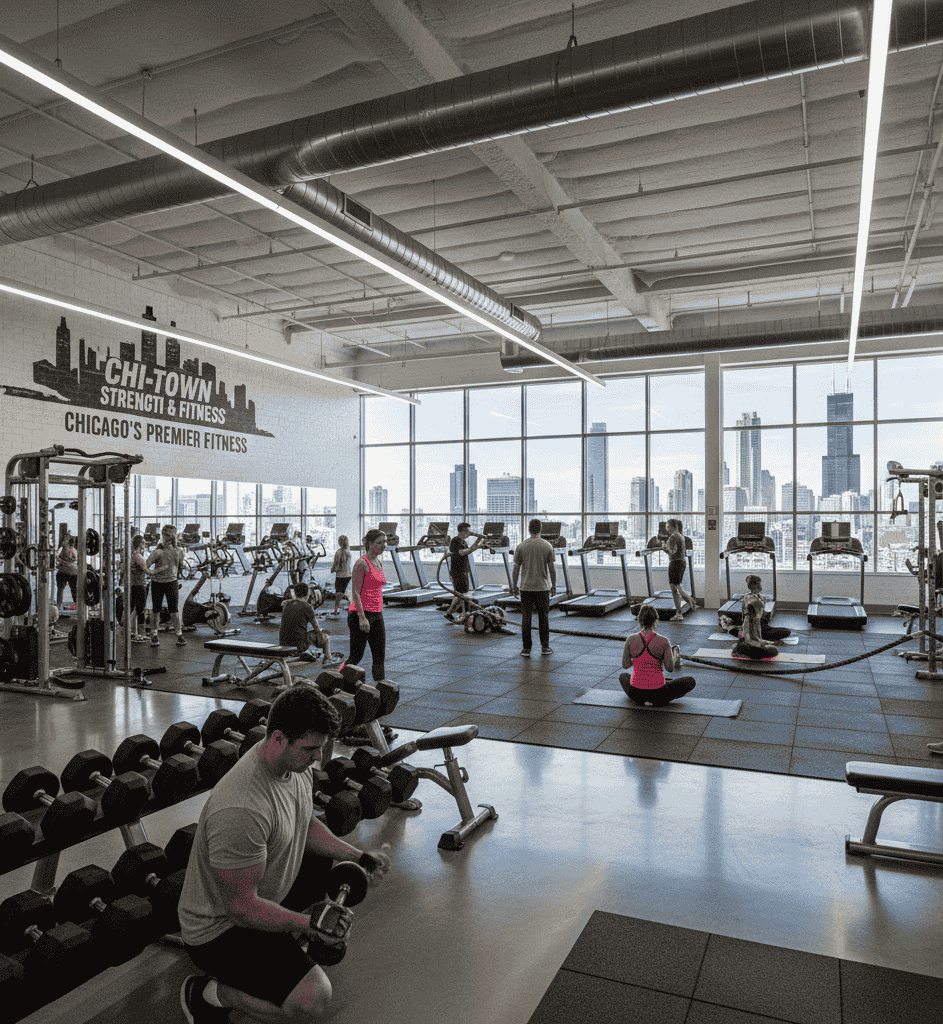
Senior Care in Orland Park
19 assisted living, nursing & memory care facilities in Orland Park.
 Assisted Living
Heartis Orland Park
Orland Park, IL
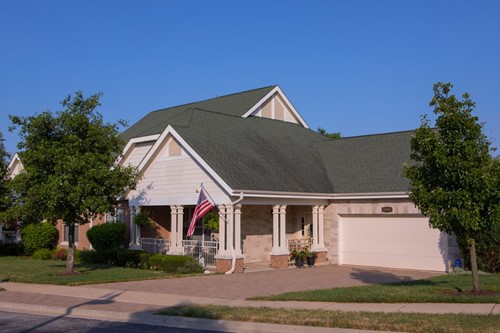 Senior Care
Independent and Assisted Living at Smith Crossing
Orland Park, IL
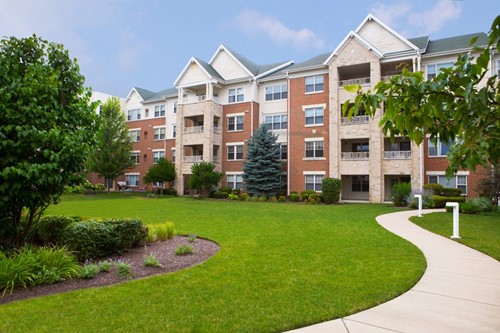 Assisted Living
Smith Crossing
Orland Park, IL
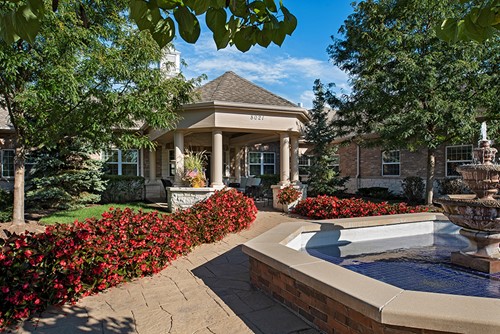 Assisted Living
Charter Senior Living of Orland Park
Orland Park, IL
Visiting Angels - Orland Park
Orland Park, IL
Have A Heart Health Care, Ltd
Orland Park, IL
Evergreen Senior Living Orland Park
Orland Park, IL
Platinum Home Health Care, Inc
Orland Park, IL
Maxim Healthcare Services - Orland Park
Orland Park, IL
Alden Estates of Orland Park
Orland Park, IL
Senior Helpers - Orland Park
Orland Park, IL
Brookdale Orland Park
Orland Park, IL
City Guide
Explore Orland Park
Free Quotes
Get quotes from local pros in Orland Park
Tell us what you need and we’ll pass it to companies that serve your area. It’s free, and there’s no obligation.

Compare Orland Park with any city
See how it stacks up on cost, income, and quality of life.
Start Comparing