



City Profile
Carmel, Indiana
USA · Comprehensive city data and intelligence
Carmel, Indiana, is a vibrant and affluent city known for its meticulously planned urban design, including a prominent Arts & Design District and numerous roundabouts that enhance traffic flow and aesthetics. The city consistently ranks high for its quality of life, attracting residents with its thriving economy, top-rated schools, and excellent healthcare facilities. Carmel has experienced significant growth, transforming from a quiet suburb into a bustling hub that balances residential charm with robust business opportunities.
Indiana, known as the "Hoosier State," offers a practical and community-oriented lifestyle with a cost of living generally below the national average. Its economy is diverse, with major industries including advanced manufacturing (automotive, steel, pharmaceuticals, medical devices), agriculture (corn, soybeans, hogs), life sciences, and logistics. The state experiences a humid continental climate, characterized by hot, muggy summers and cold, snowy winters, with spring and fall offering more moderate temperatures. Residents often value a relaxed pace of life, strong community ties, and access to outdoor activities and major metropolitan areas.
How this 74/100 was calculated five components, with every reading behind them
| Component | Readings used | Points | Weight | Contributes |
|---|---|---|---|---|
| Safety | Safety score: 96 / 100 | 96.0 | 30% | 28.8 |
| Affordability | Cost of living index (100 = national baseline): 96.0 | 48.8 | 25% | 12.2 |
| Economy & jobs | Median household income: $141,505 Income needed to live here: $63,207 Unemployment rate: 3% | 93.8 | 20% | 18.8 |
| Growth | Population growth rate: 0.88% Job growth rate: 1.34% | 46.9 | 15% | 7.0 |
| Business climate assessment | Business climate assessment: 75 / 100 | 75.0 | 10% | 7.5 |
| Overall score | 74.3 | |||
Provenance.
These figures were produced by the research pass recorded as
Gemini (Tier 2 (reasoned), q=96 ✓ perfect), last refreshed
24 September 2026.
They are researched estimates drawn from public sources, not a licensed data feed.
Each component is scored against fixed published endpoints, so this number is comparable with any other city and does not move as the dataset grows. Scoring framework 2026.10 — full methodology, weights and accepted ranges.

Featured Events
Happening in Carmel
Featured and sponsored events in Carmel.
Local Directory
Businesses in Carmel
Featured local businesses in Carmel.

Performance
Quality Scores
Expenses
Cost of Living
The cost of living in Carmel is slightly higher than the national average, with a cost of living index of 96, meaning it is 4% less expensive than the national average according to one source, while another indicates it is 1% higher. Housing is identified as the largest single cost for residents, with median home values significantly above the national average. While food and transportation costs are generally more affordable than the national average, the overall expense of living in Carmel is driven up by its desirable housing market.
Income
Salary Insights
Carmel boasts a robust job market, with an average salary of approximately $67,750 per year as of July-September 2026. The city's economy is primarily driven by industries such as Health Care & Social Assistance, Professional, Scientific, & Technical Services, and Manufacturing. Many corporate headquarters and regional offices are concentrated along the Meridian Corridor, contributing to a strong entrepreneurial climate. The area has seen a job growth rate of 1.34% in 2024, indicating a healthy and expanding employment landscape.
The average salary in Carmel is $67,750 per year. You would need approximately $63,207 to live comfortably.
Employment
Top Industries
Weather
Climate
Mobility
Transport
Transportation in Carmel is largely car-dependent, though the city has made significant efforts to improve walkability and bicycle infrastructure, notably with the Monon Trail. Carmel is famous for its extensive use of roundabouts, which were implemented to enhance traffic efficiency and safety. While public transit options are limited, the city's design aims to create a more pedestrian-friendly environment, particularly in areas like the City Center and Arts & Design District.

At a Glance
Pros & Cons
Advantages
Drawbacks
Head to Head
Compare Carmel
Community Q&A
Questions about Carmel
What people ask about living in and moving to Carmel, Indiana.
What makes Carmel a desirable place to live?
Carmel offers a blend of safe, well‑planned neighborhoods, strong public schools, and a low cost of living relative to the national average. The community hosts a variety of cultural events, has ample parks and recreational facilities, and maintains a clean, organized cityscape. Its proximity to major employment centers and a robust local economy make it appealing for families and professionals alike.
How does Carmel's cost of living compare to the national average?
Carmel's cost of living index is 96, which is slightly below the national average of 100. This means everyday expenses such as groceries, utilities, and transportation are a bit cheaper than in many parts of the country. With an average salary of $67,750 per year, you should find that your income covers typical living costs comfortably, especially when combined with the modest rent levels in the area.
What are typical rent prices for a two-bedroom apartment in Carmel?
The average rent for a two-bedroom unit in Carmel is about $2,450 per month. This figure reflects the current market for mid-range apartments and condominiums. If you’re looking for a more affordable option, you might consider studios or smaller units, whereas larger family homes will generally cost more. Checking local rental listings will give you a clearer idea of the range and availability.
Where can I find quality healthcare services in Carmel?
Carmel hosts several medical facilities that provide primary care, specialty services, and emergency care. These include clinics, urgent care centers, and hospitals that offer a full range of services from routine checkups to advanced treatments. You can locate the nearest facility by using the city’s health services directory or by searching online for providers in the area.
What is the quality of public schools in Carmel?
Public schools in Carmel are known for strong academic programs and high student achievement. They offer a range of extracurricular activities and support services. Parents can review school performance reports, visit school websites, and attend open houses to assess factors such as class sizes, teacher qualifications, and community involvement before making a decision.
What public transportation options are available for commuting?
The city offers a local transit system that includes bus routes connecting residential areas to commercial centers and nearby employment hubs. Buses run regularly during peak hours and have routes that serve major thoroughfares. For schedules, route maps, and fare information, check the city’s transit authority website or mobile app, which also provides real‑time tracking.
What should I know about moving my household to Carmel?
When moving to Carmel, consider the local housing market, average rent, and cost of living to budget appropriately. Plan your move by securing a reputable moving company, scheduling utilities to start on arrival, and registering with the city’s resident portal for services like trash pickup and local voting. It’s also wise to explore local neighborhoods early to find the best fit for your lifestyle and commute.
Is there a strong job market in Carmel for tech professionals?
Carmel has a growing economy with several businesses in technology and related fields. The local employment scene offers roles in software development, data analysis, and IT support. Job seekers can browse online job boards and local business directories to find openings. Networking through community events or industry meetups can also help uncover opportunities that may not be widely advertised.
How safe is Carmel compared to other suburbs?
Carmel scores 96.0 out of 100 on safety metrics, indicating a very low crime rate compared to many other suburbs. Residents frequently cite well-maintained streets, active neighborhood watch programs, and a strong police presence as contributing factors. For up-to-date crime statistics, you can consult local law enforcement reports or community safety dashboards.
What are popular outdoor activities in Carmel?
The area features numerous parks, trails, and green spaces suitable for hiking, biking, and picnicking. Many parks have well-maintained paths, playgrounds, and community gardens. Visitors can also enjoy seasonal events, farmers markets, and outdoor concerts hosted in these public spaces. Checking the city’s parks and recreation webpage will give you a schedule of upcoming activities.
Some answers here were drafted as a starting point and may be out of date. Live in Carmel? Add your own.
FAQ
Frequently Asked Questions
Businesses for Sale in Carmel
Explore active acquisition & franchise opportunities .

Senior Care in Carmel
26 assisted living, nursing & memory care facilities in Carmel.
 Senior Care
Independence Village Carmel
Carmel, IN
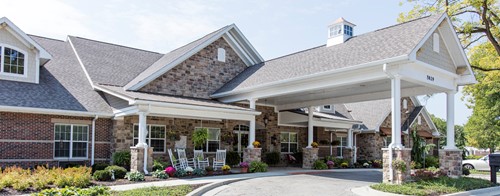 Assisted Living
Bickford of Carmel
Carmel, IN
 Assisted Living
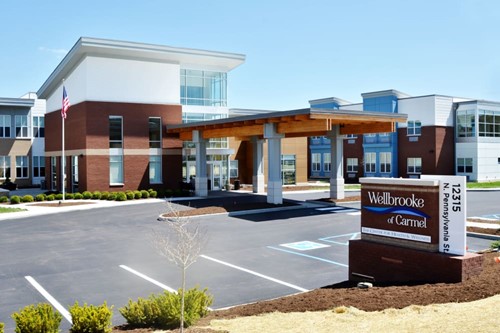
Wellbrooke of Carmel Assisted Living
Carmel, IN
 Assisted Living
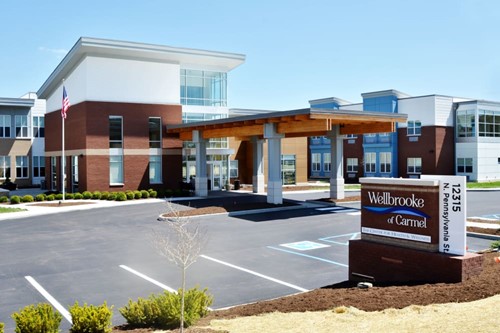
Wellbrooke Of Carmel
Carmel, IN
 Senior Care
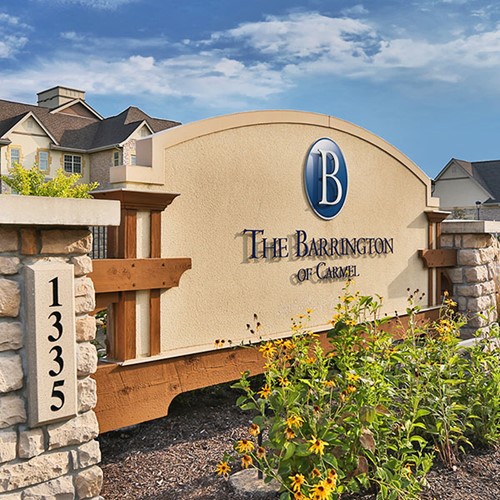
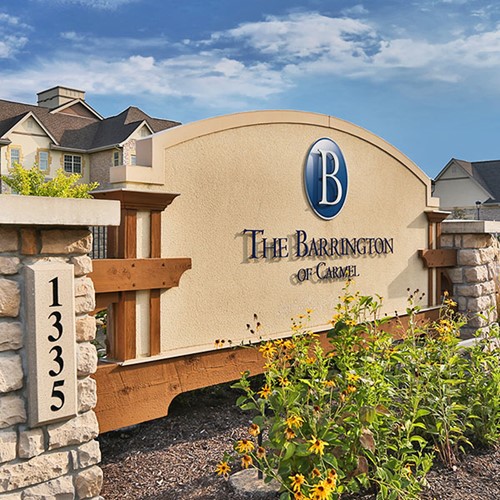
The Barrington of Carmel - Independent and Assisted Living
Carmel, IN
 Assisted Living
The Barrington of Carmel
Carmel, IN
 Assisted Living
Premier Home Health Indiana
Carmel, IN
 Assisted Living
Premier Hospice & Palliative Care - Indiana
Carmel, IN
Magnolia Springs Bridgewater
Carmel, IN
Bridgewater Healthcare Center
Carmel, IN
Mcgivney Health Care Center
Carmel, IN
Carmel Senior Living
Carmel, IN
Free Quotes
Get quotes from local pros in Carmel
Tell us what you need and we’ll pass it to companies that serve your area. It’s free, and there’s no obligation.

Compare Carmel with any city
See how it stacks up on cost, income, and quality of life.
Start Comparing