



City Profile
Emporia, Kansas
USA · Comprehensive city data and intelligence
Emporia, Kansas, located along the Cottonwood and Neosho rivers in Lyon County, is a historic Midwestern community founded in 1857 and famously named by U.S. Senator Preston King after the ancient North African trading city. Known as the founding home of the National Teachers Hall of Fame and Emporia State University, the city balances a rich academic tradition with deep agricultural roots. It offers residents a quintessential small-town Kansas feel combined with a vibrant cultural scene, prominently highlighted by its status as a major destination for disc golf enthusiasts hosting the annual Disc Golf World Championships.
Kansas, known as the "Sunflower State," offers a blend of rural charm and urban development, characterized by friendly communities and a relaxed pace of life. Its economy is diverse, with major industries including agriculture (a leading producer of wheat, corn, and sorghum), aerospace, advanced manufacturing, and professional services. Living in Kansas is generally affordable, with a cost of living approximately 10-15% lower than the national average, particularly for housing. The state experiences four distinct seasons with warm to hot summers, mild to cold winters, and moderate humidity, though it is prone to severe weather like thunderstorms and tornadoes, especially in spring and early summer.
How this 63/100 was calculated five components, with every reading behind them
| Component | Readings used | Points | Weight | Contributes |
|---|---|---|---|---|
| Safety | Safety score: 70 / 100 | 70.0 | 30% | 21.0 |
| Affordability | Cost of living index (100 = national baseline): 86.0 | 61.3 | 25% | 15.3 |
| Economy & jobs | Median household income: $53,500 Income needed to live here: $42,000 Unemployment rate: 3.2% | 72.1 | 20% | 14.4 |
| Growth | Population growth rate: 0.2% Job growth rate: 1.5% | 40.0 | 15% | 6.0 |
| Business climate assessment | Business climate assessment: 67 / 100 | 67.0 | 10% | 6.7 |
| Overall score | 63.4 | |||
Provenance.
These figures were produced by the research pass recorded as
Tier 1 (fast) (q=54, partial — below threshold), last refreshed
16 October 2026.
They are researched estimates drawn from public sources, not a licensed data feed.
Each component is scored against fixed published endpoints, so this number is comparable with any other city and does not move as the dataset grows. Scoring framework 2026.10 — full methodology, weights and accepted ranges.

Featured Events
Happening in Emporia
Featured and sponsored events in Emporia.
Local Directory
Businesses in Emporia
Featured local businesses in Emporia.

Performance
Quality Scores
Expenses
Cost of Living
The cost of living in Emporia is notably lower than the national average, driven largely by affordable housing and modest utility and grocery expenses. Residents benefit from property values and rental rates that remain well below metropolitan medians, allowing for a comfortable lifestyle on a typical Midwestern income. While certain specialized goods and services align with broader state trends, everyday expenditures remain highly accessible for families, students, and retirees alike.
Income
Salary Insights
Emporia's economy is anchored by education, healthcare, manufacturing, and agriculture, providing a stable employment base for Lyon County. Major employers include Emporia State University, Newman Regional Health, Tyson Foods, and Hostess Brands, creating a diverse mix of public sector, medical, and food processing jobs. The city serves as a regional commercial hub for east-central Kansas, fostering a supportive environment for small businesses and entrepreneurial ventures.
The average salary in Emporia is $52,000 per year. You would need approximately $42,000 to live comfortably.
Employment
Top Industries
Weather
Climate
Mobility
Transport
Getting around Emporia is primarily car-dependent, though the city's compact grid layout and manageable traffic make commuting straightforward and stress-free. Average commute times are well below the national average, allowing residents to spend less time in transit and more time enjoying their community. While public transit options are limited, the area offers good walkability within the downtown core and around the university campus.

At a Glance
Pros & Cons
Advantages
Drawbacks
Head to Head
Compare Emporia
Community Q&A
Questions about Emporia
What people ask about living in and moving to Emporia, Kansas.
How does the cost of living in Emporia compare to the national average?
Emporia’s cost‑of‑living index is 86, meaning expenses are about 14 % lower than the national average of 100. Housing is a major factor: the average rent is $850 per month, which is well below the U.S. median. Groceries, utilities, and health care also tend to be modestly cheaper. While salaries are lower than in larger metros, the average yearly income in Emporia is $52,000, which comfortably covers typical expenses...
What is the typical rent for a one‑bedroom apartment in Emporia?
The average rent across all housing types in Emporia is $850 per month, and one‑bedroom units in central areas usually fall close to that figure, often ranging from $750 to $900 depending on condition and amenities. Rental listings are posted on regional online platforms and through local property management firms. When searching, consider factors such as proximity to the university district, utilities included, and...
What are the main industries hiring in Emporia?
Emporia’s job market is anchored by education, health care, manufacturing, and retail. The presence of a regional university and community college creates many teaching, administrative, and support positions. Health‑care facilities and related services also employ a sizable workforce. Manufacturing plants and distribution centers in the surrounding area often look for skilled labor. Retail stores and service business...
How are the public schools rated in Emporia?
Emporia’s public schools are overseen by a unified school district that publishes performance reports on its website. Test scores and graduation rates are generally around state averages, with some schools showing stronger results in math and reading. The district offers extracurricular programs, special education services, and gifted‑talent options. To gauge fit for your children, review the district’s annual report...
Is Emporia considered a safe place to live?
Emporia’s safety score is 70 out of 100, indicating a moderate level of safety compared with other U.S. communities. Property crime is more common than violent crime, which aligns with national patterns for similarly sized cities. The city police department publishes monthly crime statistics on its website, and neighborhoods near the university tend to have higher foot traffic and lighting. Residents often participat...
What public transportation options exist in Emporia?
Emporia is served by a city transit authority that operates fixed‑route bus service throughout the downtown core, residential neighborhoods, and the university campus. Buses run on a regular schedule during weekdays, with reduced service on weekends. The system offers discounted fares for students, seniors, and low‑income riders. In addition, the city maintains a network of bike lanes and pedestrian pathways that con...
Where can I find primary care doctors and hospitals in Emporia?
Emporia has a regional medical center that provides emergency services, inpatient care, and a range of specialty clinics. Primary‑care physicians operate in several offices throughout the city, often located near shopping districts or the university area. The city’s health department website lists licensed providers, their specialties, and patient‑review resources. For urgent care, there are walk‑in clinics that hand...
What recreational activities are available for families in Emporia?
Emporia offers a variety of family‑friendly recreation. The city maintains several parks with playgrounds, walking trails, and sports fields, as well as a community recreation department that runs seasonal programs such as swimming, youth sports leagues, and arts workshops. Indoor options include a public library with events, a community center with fitness classes, and a performing arts venue that hosts concerts and...
What should I know about utility setup when moving to Emporia?
When you relocate to Emporia, you’ll need to arrange for water, electricity, natural gas (if applicable), trash collection, and internet service. The city’s public works department provides information on the local water and sewer providers, while the regional electric utility handles power. Gas service is offered by a regional supplier. For broadband, several providers operate in the area; you can compare plans and...
How does the average salary in Emporia compare to the cost of living?
The average annual salary in Emporia is $52,000, which aligns well with the city’s lower cost‑of‑living index of 86. With housing costs averaging $850 per month for rent, a typical household can allocate a reasonable portion of income to housing, utilities, and transportation while still covering groceries, health care, and discretionary spending. Financial planners often suggest keeping housing expenses below 30 % o...
Some answers here were drafted as a starting point and may be out of date. Live in Emporia? Add your own.
FAQ
Frequently Asked Questions
Senior Care in Emporia
9 assisted living, nursing & memory care facilities in Emporia.
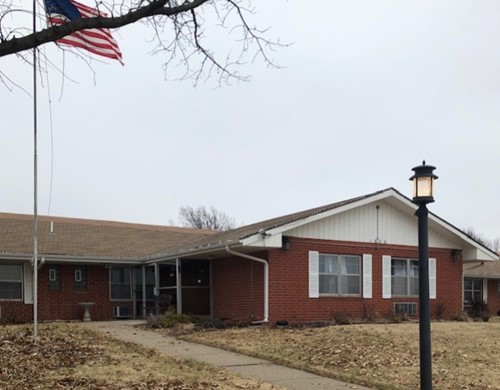 Assisted Living
Flint Hills Care And Rehabilitation Center
Emporia, KS
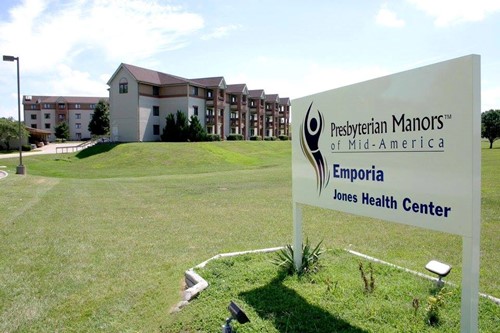 Senior Care
Emporia Presbyterian Manor - Independent, Assisted Living &...
Emporia, KS
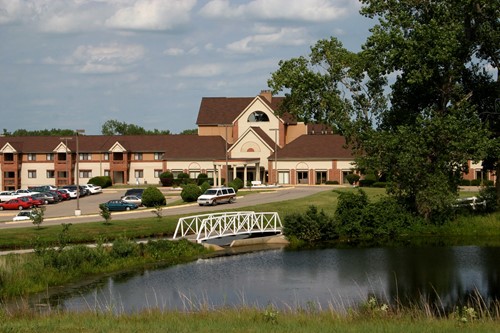 Assisted Living
Emporia Presbyterian Manor
Emporia, KS
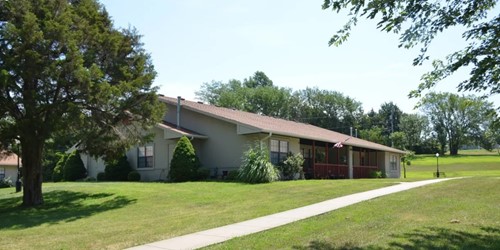 Senior Care
Holiday Estates Emporia
Emporia, KS
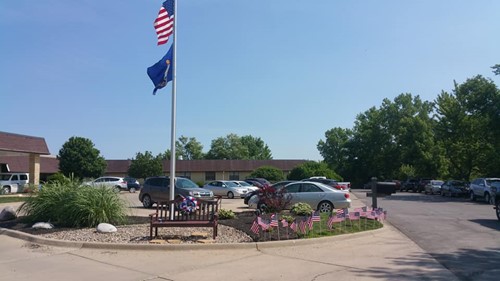 Assisted Living
Holiday Resort
Emporia, KS
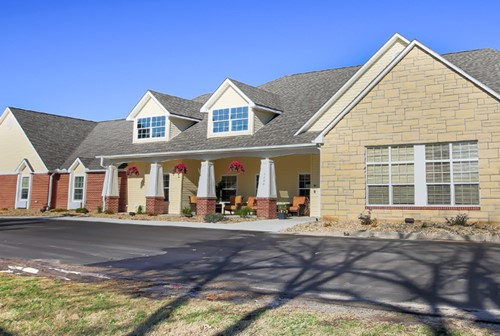 Assisted Living
Emporia Place
Emporia, KS
Hand In Hand Hospice
Emporia, KS
Broadview Towers
Emporia, KS
Horizon Plaza Apartments
Emporia, KS
Free Quotes
Get quotes from local pros in Emporia
Tell us what you need and we’ll pass it to companies that serve your area. It’s free, and there’s no obligation.

Compare Emporia with any city
See how it stacks up on cost, income, and quality of life.
Start Comparing