



City Profile
Topeka, Kansas
USA · Comprehensive city data and intelligence
Topeka, the capital city of Kansas, is situated along the Kansas River and is known for its rich history, particularly its pivotal role in the Civil Rights Movement, highlighted by the landmark Supreme Court case Brown v. Board of Education. Founded in 1854, the city blends historical significance with a strong sense of community. People are often drawn to Topeka for its affordability, manageable size, and a lifestyle that offers a balance between urban amenities and a slower pace of life. The city is surrounded by natural landscapes, including state forests and lakes, providing residents with various outdoor recreational opportunities.
Kansas, known as the "Sunflower State," offers a blend of rural charm and urban development, characterized by friendly communities and a relaxed pace of life. Its economy is diverse, with major industries including agriculture (a leading producer of wheat, corn, and sorghum), aerospace, advanced manufacturing, and professional services. Living in Kansas is generally affordable, with a cost of living approximately 10-15% lower than the national average, particularly for housing. The state experiences four distinct seasons with warm to hot summers, mild to cold winters, and moderate humidity, though it is prone to severe weather like thunderstorms and tornadoes, especially in spring and early summer.
How this 49/100 was calculated five components, with every reading behind them
| Component | Readings used | Points | Weight | Contributes |
|---|---|---|---|---|
| Safety | Safety score: 35 / 100 | 35.0 | 30% | 10.5 |
| Affordability | Cost of living index (100 = national baseline): 86.0 | 61.3 | 25% | 15.3 |
| Economy & jobs | Median household income: $69,888 Income needed to live here: $55,000 Unemployment rate: 4.1% | 66.3 | 20% | 13.3 |
| Growth | Population growth rate: no usable reading Job growth rate: 0.4% | 28.0 | 15% | 4.2 |
| Business climate assessment | Business climate assessment: 60 / 100 | 60.0 | 10% | 6.0 |
| Overall score | 49.3 | |||
Provenance.
These figures were produced by the research pass recorded as
Gemini (Tier 2 (reasoned), q=89), last refreshed
21 August 2026.
They are researched estimates drawn from public sources, not a licensed data feed.
Each component is scored against fixed published endpoints, so this number is comparable with any other city and does not move as the dataset grows. Scoring framework 2026.10 — full methodology, weights and accepted ranges.

Featured Events
Happening in Topeka
Featured and sponsored events in Topeka.
Local Directory
Businesses in Topeka
Featured local businesses in Topeka.

Performance
Quality Scores
Expenses
Cost of Living
Topeka offers a refreshingly accessible lifestyle, with a cost of living that is notably lower than the national average. The overall cost of living in Topeka is approximately 14% lower than the U.S. average, making it an attractive option for individuals and families seeking financial relief. Housing costs are a significant driver of this affordability, with both median home values and average rents being considerably lower than in many other U.S. cities. While housing is more affordable, healthcare costs in Topeka can be higher than the national average, with monthly health insurance premiums for certain plans being about 13% above the national average. Utility and grocery costs, however, tend to be slightly below the national average, further contributing to the city's overall affordability.
Income
Salary Insights
Topeka's job market is characterized by a diverse array of sectors, with healthcare and social assistance, manufacturing, public administration, and banking, finance, and insurance identified as leading industries. Major employers in the city include the state government, Stormont Vail Health, and the University of Kansas Health System St. Francis Campus, alongside companies like Goodyear Tire & Rubber and Mars. The city is projected to experience modest job growth, with a forecasted rate of 0.4% in 2024, though this pace is expected to be slower than national and regional averages. The unemployment rate in Topeka stood at 4.1% as of May 2026, indicating a relatively stable job market. While a dedicated remote work scene isn't explicitly detailed, the city's short commute times and lower cost of living could appeal to remote workers seeking a more balanced lifestyle.
The average salary in Topeka is $63,547 per year. You would need approximately $55,000 to live comfortably.
Employment
Top Industries
Weather
Climate
Mobility
Transport
Getting around Topeka primarily relies on personal vehicles, as indicated by a high car dependency. The average commute time for workers is 16.7 minutes. While public transportation is available through Topeka Metro, which operates 12 bus routes, it is considered minimal. The city has an average Walk Score of 37, suggesting that most errands require a car. The Transit Score is 43, further reflecting limited public transit options. Despite this, Topeka is recognized as somewhat bikeable, with a bike score of 86 in some areas, offering alternative modes of transport for some residents.

At a Glance
Pros & Cons
Advantages
Drawbacks
Head to Head
Compare Topeka
Community Q&A
Questions about Topeka
What people ask about living in and moving to Topeka, Kansas.
FAQ
Frequently Asked Questions
Businesses for Sale in Topeka
Explore active acquisition & franchise opportunities .
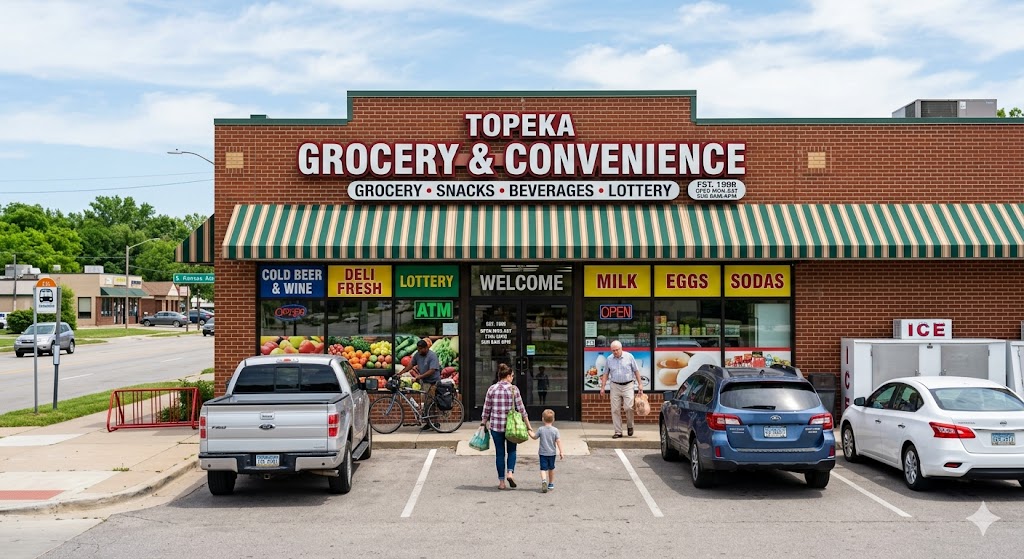
Senior Care in Topeka
55 assisted living, nursing & memory care facilities in Topeka.
 Senior Care
Autumn Home Plus
Topeka, KS
 Senior Care
Midland Care Connection
Topeka, KS
 Senior Care
Aldersgate Village Recovery Center
Topeka, KS
 Senior Care
Advena Living on Tenth
Topeka, KS
 Senior Care
A & A Medical Transportation
Topeka, KS
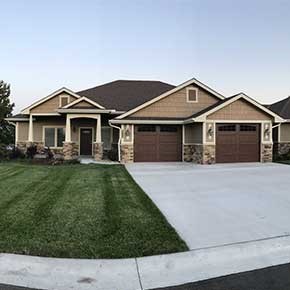 Senior Care
Aldersgate Village - Life Plan Community
Topeka, KS
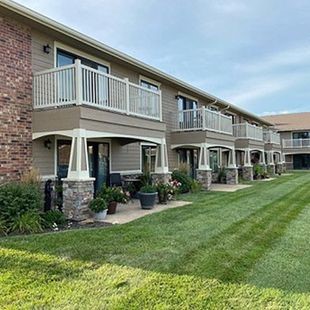 Assisted Living
Aldersgate Village
Topeka, KS
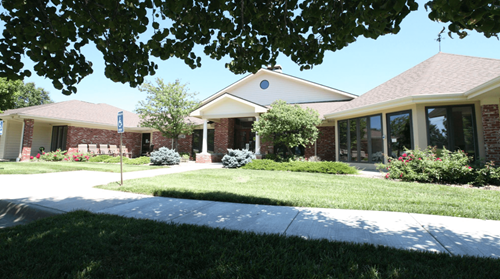 Assisted Living
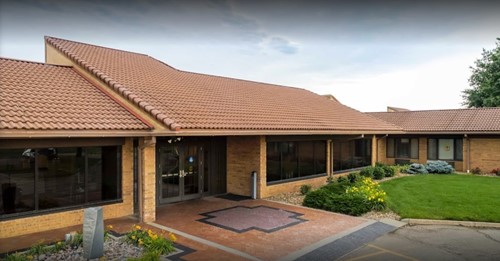
Rolling Hills Assisted Living
Topeka, KS
 Assisted Living
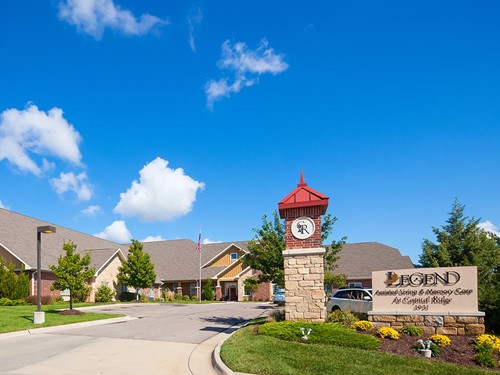
Rolling Hills Health & Rehab
Topeka, KS
 Assisted Living
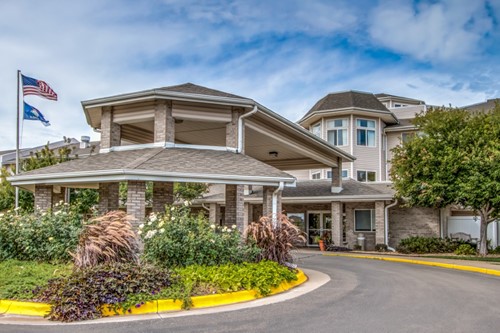
Legend at Capital Ridge
Topeka, KS
 Senior Care
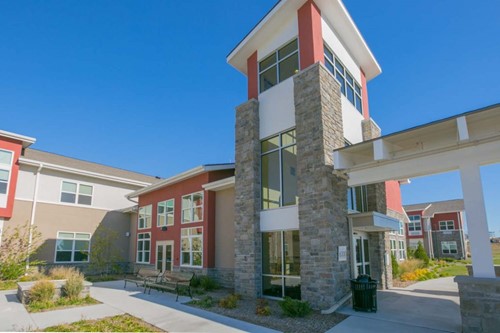
Thornton Place
Topeka, KS
 Assisted Living
The Healthcare Resort Of Topeka - Assisted Living
Topeka, KS
City Guide
Explore Topeka
Free Quotes
Get quotes from local pros in Topeka
Tell us what you need and we’ll pass it to companies that serve your area. It’s free, and there’s no obligation.

Compare Topeka with any city
See how it stacks up on cost, income, and quality of life.
Start Comparing