



City Profile
Olathe, Kansas
USA · Comprehensive city data and intelligence
Olathe, Kansas, founded in 1857 along the Santa Fe Trail, is the fourth-most populous city in the state and a thriving part of the Kansas City metropolitan area. Known historically as a vital trade and pioneer hub, the city has evolved into a dynamic, family-oriented community characterized by master-planned neighborhoods, extensive parks, and a robust economic base. People are drawn to Olathe for its exceptional blend of suburban tranquility, top-tier public school districts, and proximity to urban amenities without the congestion of a major metropolis.
Kansas, known as the "Sunflower State," offers a blend of rural charm and urban development, characterized by friendly communities and a relaxed pace of life. Its economy is diverse, with major industries including agriculture (a leading producer of wheat, corn, and sorghum), aerospace, advanced manufacturing, and professional services. Living in Kansas is generally affordable, with a cost of living approximately 10-15% lower than the national average, particularly for housing. The state experiences four distinct seasons with warm to hot summers, mild to cold winters, and moderate humidity, though it is prone to severe weather like thunderstorms and tornadoes, especially in spring and early summer.
How this 71/100 was calculated five components, with every reading behind them
| Component | Readings used | Points | Weight | Contributes |
|---|---|---|---|---|
| Safety | Safety score: 82 / 100 | 82.0 | 30% | 24.6 |
| Affordability | Cost of living index (100 = national baseline): 98.0 | 46.3 | 25% | 11.6 |
| Economy & jobs | Median household income: $95,500 Income needed to live here: $58,000 Unemployment rate: 3.1% | 93.1 | 20% | 18.6 |
| Growth | Population growth rate: 1.1% Job growth rate: 2.2% | 58.3 | 15% | 8.7 |
| Business climate assessment | Business climate assessment: 76 / 100 | 76.0 | 10% | 7.6 |
| Overall score | 71.1 | |||
Provenance.
These figures were produced by the research pass recorded as
Tier 1 (fast) (q=52, partial — below threshold), last refreshed
16 October 2026.
They are researched estimates drawn from public sources, not a licensed data feed.
Each component is scored against fixed published endpoints, so this number is comparable with any other city and does not move as the dataset grows. Scoring framework 2026.10 — full methodology, weights and accepted ranges.

Featured Events
Happening in Olathe
Featured and sponsored events in Olathe.
Local Directory
Businesses in Olathe
Featured local businesses in Olathe.

Performance
Quality Scores
Expenses
Cost of Living
The cost of living in Olathe generally tracks slightly below or near the national average, making it an attractive destination for families and professionals seeking value for their money. While housing costs have appreciated in line with broader regional trends, everyday goods, utilities, and transportation expenses remain relatively reasonable compared to coastal metropolitan areas. Property taxes in Kansas are a factor to consider for homeowners, but the overall economic value is bolstered by competitive regional wage growth and a strong local tax base supporting high-end municipal services.
Income
Salary Insights
Olathe boasts a diverse and resilient economy driven by sectors such as technology, logistics, healthcare, manufacturing, and education. Major corporate employers and logistics hubs take advantage of the city's strategic central location in the United States, excellent highway access, and a well-educated local workforce. The presence of specialized business parks and active local economic development initiatives continues to attract new startups and expanding corporations, fostering a steady local job market and robust remote work infrastructure.
The average salary in Olathe is $74,000 per year. You would need approximately $58,000 to live comfortably.
Employment
Top Industries
Weather
Climate
Mobility
Transport
Olathe is primarily a car-dependent community, where the vast majority of residents rely on personal vehicles to navigate the city and commute to employment centers across the Kansas City metro. Major thoroughfares, including Interstate 35 and Kansas Highway 10, provide efficient regional connectivity, while local transit options are supplemented by specialized local services. Walkability and bikeability vary by neighborhood, with newer developments increasingly incorporating integrated trail networks and pedestrian-friendly designs.

At a Glance
Pros & Cons
Advantages
Drawbacks
Head to Head
Compare Olathe
Community Q&A
Questions about Olathe
What people ask about living in and moving to Olathe, Kansas.
FAQ
Frequently Asked Questions
Senior Care in Olathe
33 assisted living, nursing & memory care facilities in Olathe.
 Senior Care
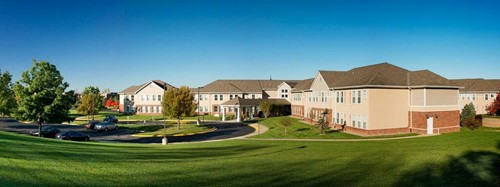
Evergreen Community Johnson County Nursing Center
Olathe, KS
 Senior Care
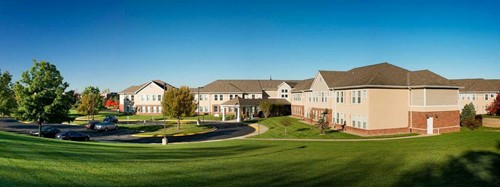
Aberdeen Village - Independent Living
Olathe, KS
 Assisted Living
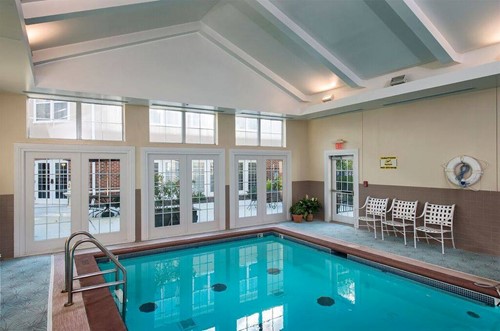
Aberdeen Village - Assisted Living
Olathe, KS
 Assisted Living
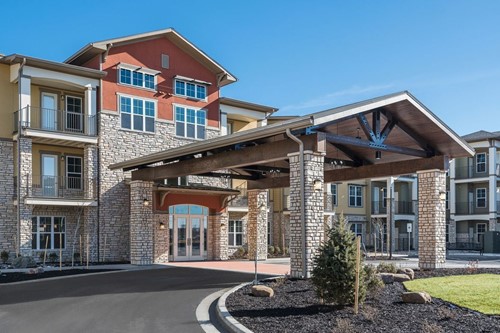
Aberdeen Village - Healthcare (Rehab, Long-Term Care, Memory...
Olathe, KS
 Senior Care
Aspen Ridge
Olathe, KS
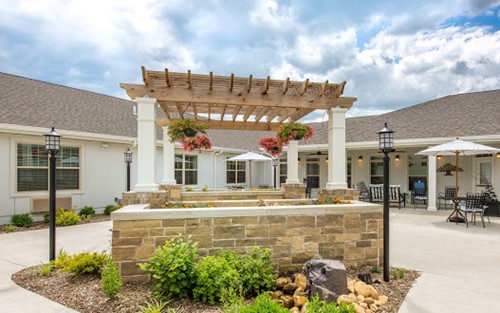 Assisted Living
Benton House of Olathe
Olathe, KS
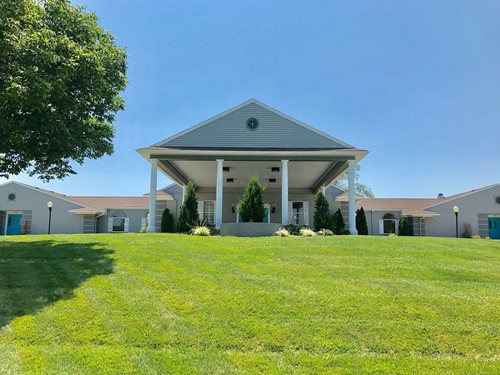 Assisted Living
Azria Health Olathe
Olathe, KS
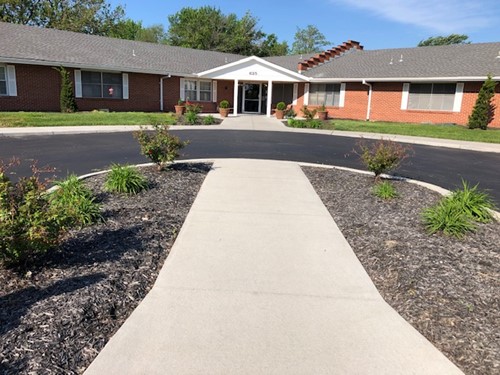 Assisted Living
Heritage Avonlea of Olathe
Olathe, KS
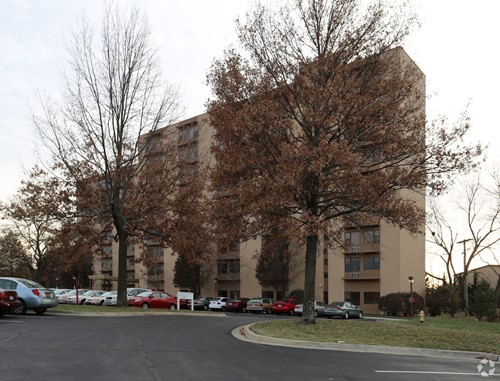 Senior Care
Olathe Towers and College Way Village
Olathe, KS
 Assisted Living
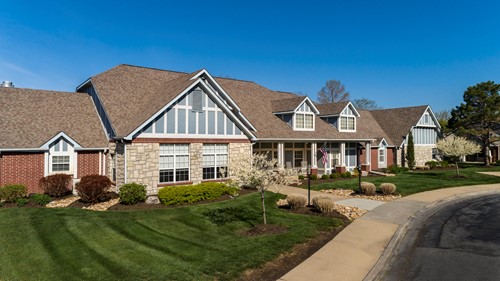
Homestead of Olathe
Olathe, KS
 Senior Care
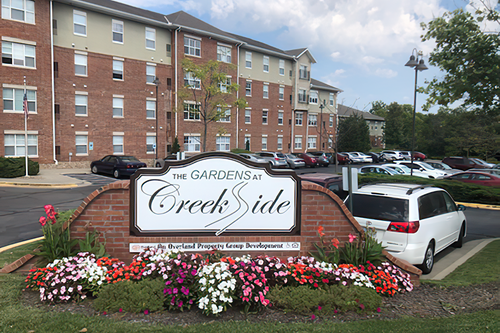
The Gardens at Creekside
Olathe, KS
 Assisted Living
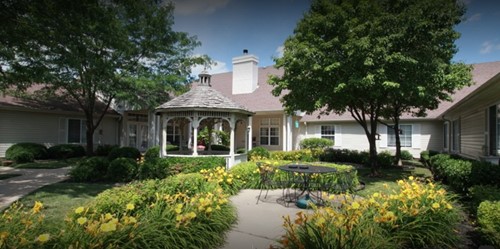
Homestead of Olathe Memory Care
Olathe, KS
City Guide
Explore Olathe
Free Quotes
Get quotes from local pros in Olathe
Tell us what you need and we’ll pass it to companies that serve your area. It’s free, and there’s no obligation.

Compare Olathe with any city
See how it stacks up on cost, income, and quality of life.
Start Comparing