



City Profile
Lenexa, Kansas
USA · Comprehensive city data and intelligence
Lenexa, Kansas, is a thriving suburban city located in Johnson County, within the Kansas City metropolitan area. Established in 1869, it has evolved from a small agricultural town into a well-planned community known for its blend of suburban comfort and urban convenience. Residents are drawn to Lenexa for its high quality of life, robust job market, and family-friendly atmosphere, all while maintaining close ties to the cultural and economic opportunities of the larger Kansas City region. The city's strategic location, coupled with its commitment to development and community engagement, makes it a desirable place to live and work.
Lenexa strikes an ideal balance between tranquil suburban living and vibrant community energy. It offers well-maintained parks, extensive trail systems, and bustling commercial districts that cater to everyday errands and weekend outings. Vibrant gathering places like Lenexa City Center and historic Old Town Lenexa host seasonal events, fostering community connection through restaurants, retail, and public spaces. This thoughtful planning provides residents with a high degree of livability and access to amenities without sacrificing the peace of a suburban setting.
The city plays a significant role in the strong Kansas City regional economy, featuring a diverse mix of office, industrial, and commercial spaces that support a wide array of employers. Lenexa is also recognized for its unique underground business parks, contributing to its commercial landscape. Living in Lenexa means being part of a dynamic job market with excellent access to employment hubs throughout Johnson County and the broader metro area, making it an attractive location for professionals seeking career growth and stability.
Kansas, known as the "Sunflower State," offers a blend of rural charm and urban development, characterized by friendly communities and a relaxed pace of life. Its economy is diverse, with major industries including agriculture (a leading producer of wheat, corn, and sorghum), aerospace, advanced manufacturing, and professional services. Living in Kansas is generally affordable, with a cost of living approximately 10-15% lower than the national average, particularly for housing. The state experiences four distinct seasons with warm to hot summers, mild to cold winters, and moderate humidity, though it is prone to severe weather like thunderstorms and tornadoes, especially in spring and early summer.
How this 61/100 was calculated five components, with every reading behind them
| Component | Readings used | Points | Weight | Contributes |
|---|---|---|---|---|
| Safety | Safety score: 75 / 100 | 75.0 | 30% | 22.5 |
| Affordability | Cost of living index (100 = national baseline): 111.0 | 30.0 | 25% | 7.5 |
| Economy & jobs | Median household income: $103,239 Income needed to live here: $65,000 Unemployment rate: 3.8% | 88.0 | 20% | 17.6 |
| Growth | Population growth rate: 1.6% Job growth rate: 0.11% | 43.6 | 15% | 6.5 |
| Business climate assessment | Business climate assessment: 68 / 100 | 68.0 | 10% | 6.8 |
| Overall score | 60.9 | |||
Provenance.
These figures were produced by the research pass recorded as
Gemini (Tier 2 (reasoned), q=74), last refreshed
20 September 2026.
They are researched estimates drawn from public sources, not a licensed data feed.
Each component is scored against fixed published endpoints, so this number is comparable with any other city and does not move as the dataset grows. Scoring framework 2026.10 — full methodology, weights and accepted ranges.

Featured Events
Happening in Lenexa
Featured and sponsored events in Lenexa.
Local Directory
Businesses in Lenexa
Featured local businesses in Lenexa.

Performance
Quality Scores
Expenses
Cost of Living
The cost of living in Lenexa, Kansas, is generally considered to be slightly above the national average, primarily driven by housing expenses. While overall costs are 11% higher than the U.S. average, this figure is influenced by various factors, including housing, groceries, transportation, healthcare, and utilities. Despite being higher than the national average, Lenexa's cost of living is often viewed as reasonable given the city's amenities, quality of life, and proximity to the Kansas City metropolitan area.
Housing costs are a significant component of Lenexa's cost of living, with median home values and rental rates reflecting the city's well-maintained infrastructure and desirable location within Johnson County. While specific data points vary, sources indicate that housing expenses can be higher than both state and national averages. However, other essential expenses such as groceries and transportation tend to be more affordable, helping to balance the overall cost for residents.
Income
Salary Insights
Lenexa boasts a robust economy, serving as a vital hub within the Kansas City regional job market. The city's diverse commercial and industrial landscape supports a wide range of employers, offering ample opportunities for residents. Key sectors driving employment include healthcare, professional services, and finance, with a notable presence of technology and manufacturing firms. The city's strategic location and well-developed infrastructure, including unique underground business parks, contribute to its economic vitality and appeal to businesses.
The job market in Lenexa is characterized by steady growth and a strong employment base. The city's employed population is substantial, and residents benefit from excellent access to major employment centers throughout Johnson County and the wider metropolitan area. This economic strength translates into a stable job market, with a low unemployment rate, providing professionals with security and opportunities for career advancement. The city's commitment to economic development further supports a thriving business environment.
The average salary in Lenexa is $58,657 per year. You would need approximately $65,000 to live comfortably.
Employment
Top Industries
Weather
Climate
Mobility
Transport
Transportation in Lenexa is primarily car-dependent, reflecting its suburban nature, though efforts are made to provide alternative options. The city is well-connected by major roadways, including I-35, I-435, and Highway 10, facilitating easy commutes to Kansas City and surrounding areas. The average commute time for residents is around 19.4 minutes, which is shorter than the national average, allowing for more time spent on personal activities.
While public transit options exist, such as the RideKC bus service, they are not as extensive as in larger urban centers. Walkability and transit scores are moderate, suggesting that personal vehicles are the most common and convenient mode of transportation for most residents. The city's infrastructure is designed to accommodate drivers, with ample parking available in commercial and residential areas.

At a Glance
Pros & Cons
Advantages
Drawbacks
Head to Head
Compare Lenexa
Community Q&A
Questions about Lenexa
What people ask about living in and moving to Lenexa, Kansas.
What is the typical rent for a two‑bedroom apartment in Lenexa?
The average rent across all unit sizes in Lenexa is $1,890 per month. Two‑bedroom apartments generally fall near that average, though exact prices vary by neighborhood, age of the building, and amenities. Newer complexes or those close to major retail corridors may be a bit higher, while older units or those farther from the city center can be lower. To find current listings, check regional rental websites, local cla...
How are the public schools rated in Lenexa?
Lenexa is served by a public school district that includes several elementary, middle, and high schools. Overall district performance is generally above state averages, with many schools receiving favorable ratings on state assessment scores. For specific school ratings, test scores, and program offerings, visit the state department of education’s website or the district’s own portal, where report cards and school co...
What recreational activities are popular in Lenexa?
Lenexa offers a variety of outdoor and indoor recreation. The city maintains several parks with playgrounds, walking trails, and sports fields, as well as a community center that hosts classes, fitness programs, and seasonal events. There are also local libraries that provide family programs and a modest cultural scene with art exhibits and performances. For a full calendar of events and a list of facilities, check t...
What utilities should I set up before moving to Lenexa?
When moving to Lenexa, you’ll need to arrange for electricity, natural gas (if applicable), water and sewer, trash collection, and internet/phone service. The city’s utility providers are listed on the municipal website, which also provides contact numbers and online sign‑up forms. It’s a good idea to schedule activation at least a week before your move‑in date to ensure service continuity. If you’re renting, your le...
How does the cost of living in Lenexa compare to the national average?
Lenexa's cost of living index is 111, meaning it is about 11% higher than the U.S. national average of 100. This reflects slightly higher prices for housing, groceries, transportation, and health care. Your overall expenses will be modestly above what you might pay in a lower‑cost area, but the difference is not extreme. To get a detailed picture, you can use online cost‑of‑living calculators that let you input your...
What are the average salaries like in Lenobra?
The median annual salary in Lenexa is $58,657. This figure includes all occupations, so salaries in specialized fields such as technology, engineering, or finance may be higher than the median. To gauge competitiveness, compare your salary to industry‑specific salary surveys or use online compensation tools that let you filter by city and job title. The city’s economic development office also publishes reports on maj...
Is Lenexa considered a safe place to live?
Lenexa has a safety score of 75 out of 100, indicating a relatively safe environment compared with many U.S. cities. The city’s law‑enforcement agency reports lower rates of violent crime than the national average, while property crime is modestly above average. For the most current crime statistics, you can consult the city’s public safety dashboard or the state’s crime reporting website, which break down incidents...
What public transportation options are available in Lenexa?
Lenexa is served by the regional transit authority, which operates bus routes connecting the city to nearby suburbs and the larger metropolitan area. There are also commuter rail stations within a short drive that provide access to downtown destinations. For detailed route maps, schedules, and fare information, visit the transit authority’s website or download its mobile app. If you prefer biking, the city maintains...
Where can I find hospitals or urgent care in Lenexa?
Lenexa has several medical facilities, including a major hospital that offers emergency services, surgery, and specialty care, as well as multiple urgent‑care centers and primary‑care clinics scattered throughout the city. To locate the nearest provider, use the state health department’s facility finder or the city’s health services directory, which lists locations, hours, and contact numbers. Many facilities also pr...
What’s the overall quality of life like in Lenexa?
Lenexa ranks as a mid‑size suburban community with a cost‑of‑living index slightly above the national average and a safety score of 75, indicating a generally safe environment. The median salary of $58,657 suggests a stable local economy, and the city offers a range of schools, healthcare facilities, parks, and recreational programs. Transportation options include regional bus service and nearby commuter rail, while...
Some answers here were drafted as a starting point and may be out of date. Live in Lenexa? Add your own.
FAQ
Frequently Asked Questions
Senior Care in Lenexa
21 assisted living, nursing & memory care facilities in Lenexa.
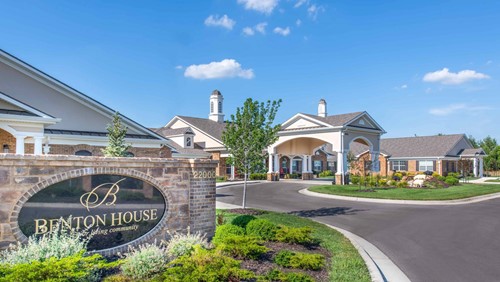 Assisted Living
Benton House of Lenexa
Lenexa, KS
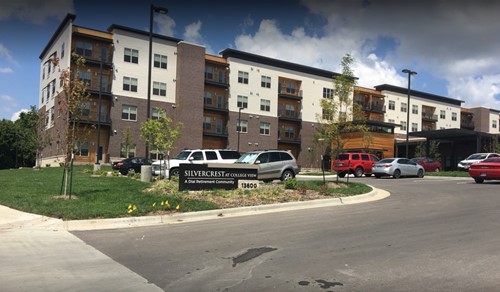 Senior Care
Silvercrest at College View
Lenexa, KS
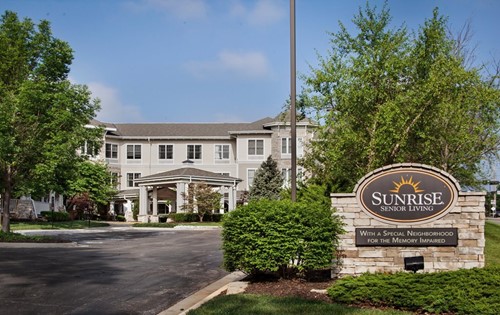 Assisted Living
Sunrise of Lenexa
Lenexa, KS
 Assisted Living
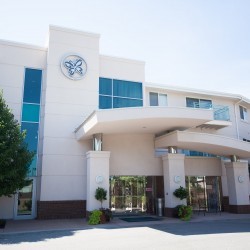
Lakeview Village
Lenexa, KS
 Senior Care
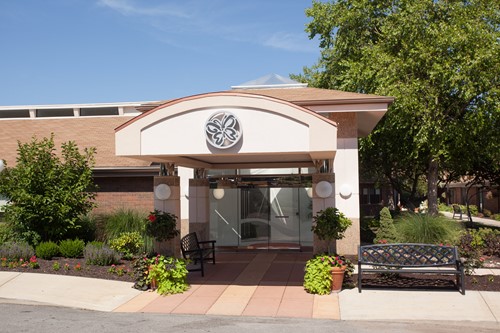
Garden Villas of Lenexa
Lenexa, KS
 Assisted Living
Delmar Gardens of Lenexa
Lenexa, KS
 Senior Care
Lakeview Village - Independent & Assisted Living
Lenexa, KS
 Senior Care
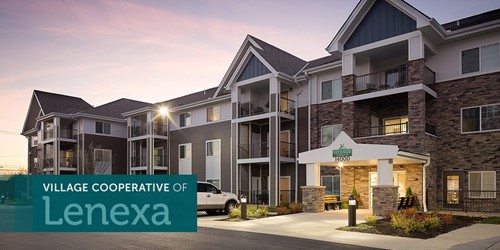
Village Cooperative of Lenexa, KS
Lenexa, KS
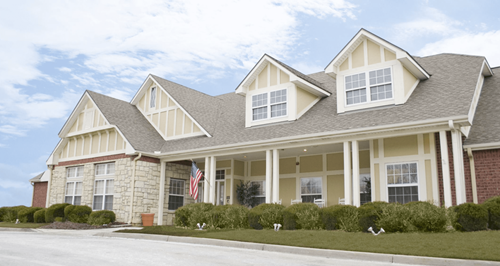 Assisted Living
Homestead of Lenexa
Lenexa, KS
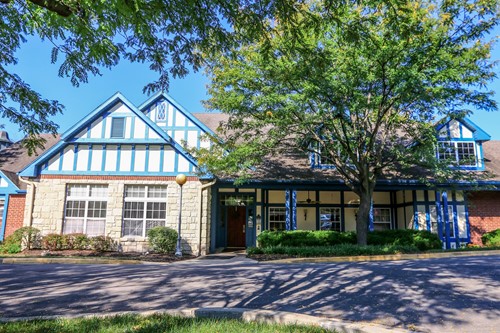 Assisted Living
Vintage Park at Lenexa
Lenexa, KS
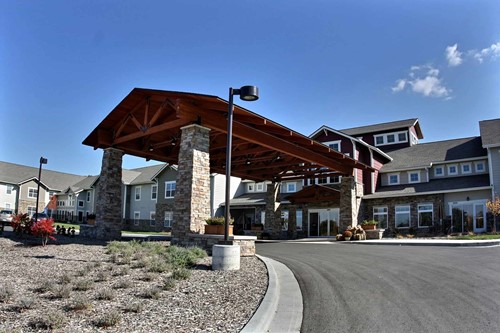 Senior Care
Westchester Village of Lenexa - Assisted & Independent Livin...
Lenexa, KS
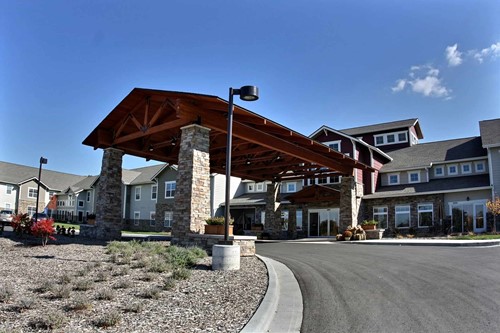 Assisted Living
Westchester Village Of Lenexa
Lenexa, KS
Free Quotes
Get quotes from local pros in Lenexa
Tell us what you need and we’ll pass it to companies that serve your area. It’s free, and there’s no obligation.

Compare Lenexa with any city
See how it stacks up on cost, income, and quality of life.
Start Comparing