



City Profile
Kansas City, Kansas
USA · Comprehensive city data and intelligence
Kansas City, Kansas, often referred to as KCK, is a vibrant city with a rich history and a distinct character, forming part of the larger Kansas City metropolitan area. Situated at the confluence of the Kansas and Missouri Rivers, the city boasts a blend of Midwestern charm and urban amenities. People are drawn to KCK for its relatively affordable cost of living, diverse job opportunities, and strong sense of community. The city has a growing economy and is recognized for its contributions to various industries, making it an attractive destination for individuals and families seeking a balanced lifestyle. Its unique position on the state line offers residents access to the broader metropolitan area's cultural and economic offerings while maintaining its own identity.
Kansas, known as the "Sunflower State," offers a blend of rural charm and urban development, characterized by friendly communities and a relaxed pace of life. Its economy is diverse, with major industries including agriculture (a leading producer of wheat, corn, and sorghum), aerospace, advanced manufacturing, and professional services. Living in Kansas is generally affordable, with a cost of living approximately 10-15% lower than the national average, particularly for housing. The state experiences four distinct seasons with warm to hot summers, mild to cold winters, and moderate humidity, though it is prone to severe weather like thunderstorms and tornadoes, especially in spring and early summer.
How this 56/100 was calculated five components, with every reading behind them
| Component | Readings used | Points | Weight | Contributes |
|---|---|---|---|---|
| Safety | Safety score: 60 / 100 | 60.0 | 30% | 18.0 |
| Affordability | Cost of living index (100 = national baseline): 89.0 | 57.5 | 25% | 14.4 |
| Economy & jobs | Median household income: $56,120 Income needed to live here: $50,000 Unemployment rate: 4.5% | 54.5 | 20% | 10.9 |
| Growth | Population growth rate: 0.8% Job growth rate: 0.5% | 37.5 | 15% | 5.6 |
| Business climate assessment | Business climate assessment: 75 / 100 | 75.0 | 10% | 7.5 |
| Overall score | 56.4 | |||
Provenance.
These figures were produced by the research pass recorded as
Gemini (Tier 2 (reasoned), q=75), last refreshed
4 August 2026.
They are researched estimates drawn from public sources, not a licensed data feed.
Each component is scored against fixed published endpoints, so this number is comparable with any other city and does not move as the dataset grows. Scoring framework 2026.10 — full methodology, weights and accepted ranges.

Featured Events
Happening in Kansas City
Featured and sponsored events in Kansas City.
Local Directory
Businesses in Kansas City
Featured local businesses in Kansas City.

Performance
Quality Scores
Expenses
Cost of Living
The cost of living in Kansas City, Kansas, is notably more affordable than the national average, making it an attractive option for many. The city's cost of living index is 89, indicating it is 11% lower than the national average. This affordability is particularly evident in housing, groceries, and healthcare expenses, which generally remain below national benchmarks. For instance, the average rent for an apartment in KCK is $1,231 per month as of July 2026. While utilities, such as electricity, average around $196 per month in KCK, the overall lower costs across various categories allow residents to stretch their budgets further compared to larger U.S. metropolitan areas.
Income
Salary Insights
Kansas City, Kansas, is part of a dynamic metropolitan economy that offers a diverse range of job opportunities. Key industries driving the region's economy include healthcare, manufacturing and logistics, shared services and operational centers, financial services, and technology. The University of Kansas Health System is a major employer and a significant contributor to the healthcare sector. While the Kansas City metro area experienced a 1.7% growth in nonfarm jobs from August 2023 to August 2024, the region also saw some job losses in specific sectors between December 2024 and December 2025, indicating a mixed but generally resilient job market. The entrepreneurial climate is robust, with Kansas City being part of a national trend of increased business startups, and local organizations reporting significant growth in entrepreneur engagement.
The average salary in Kansas City is $78,000 per year. You would need approximately $50,000 to live comfortably.
Employment
Top Industries
Weather
Climate
Mobility
Transport
Getting around Kansas City, Kansas, largely relies on personal vehicles, as the city has limited public transportation options. The average commute time in the Kansas City metro area is approximately 22 minutes. While efforts are being made to improve transit and pedestrian infrastructure, the city's walkability score is relatively low, averaging 32, though some neighborhoods like Riverview, Armourdale, and Kensington are more pedestrian-friendly. This reliance on cars means that traffic congestion, while generally lower than in many larger urban areas, can still be a factor during peak hours.

At a Glance
Pros & Cons
Advantages
Drawbacks
Head to Head
Compare Kansas City
Community Q&A
Questions about Kansas City
What people ask about living in and moving to Kansas City, Kansas.
How does the cost of living in Kansas City, KS compare to the national average?
Kansas City, Kansas has a cost‑of‑living index of 89, meaning it is about 11 % cheaper than the U.S. average (which is set at 100). Everyday expenses such as groceries, utilities, and transportation tend to be lower, while salaries are roughly in line with national figures. With an average household salary of $78,000 per year, many residents find their purchasing power stronger than in higher‑cost metros. To get a pe...
How are the public schools rated in Kansas City, KS?
Public education in Kansas City, Kansas is administered by the unified school district that serves the entire city and surrounding areas. Schools are evaluated by the state’s department of education, and most receive ratings that reflect average to above‑average performance on standardized tests. The district offers a range of programs, including early‑learning, special education, and extracurricular activities. For...
What are the main industries hiring in Kansas City, KS?
Kansas City, Kansas hosts a diversified job market anchored by logistics, manufacturing, healthcare, and education. The city’s proximity to major interstates and a large freight hub makes logistics and distribution a strong sector, with many employers ranging from national carriers to regional warehouses. Manufacturing plants and food‑processing facilities also contribute significant employment. Healthcare and educat...
Is Kansas City, KS safe for families?
Kansas City, Kansas has a safety score of 60 out of 100, indicating moderate safety levels compared with other U.S. cities. Crime tends to be concentrated in specific neighborhoods, while many residential areas experience low rates of violent and property crime. The city’s police department publishes annual crime statistics and community safety reports, which can help you assess particular districts. You can also use...
What is the typical rent for a one‑bedroom apartment in Kansas City, KS?
The average rent in Kansas City, Kansas is $1,231 per month. This figure reflects a range of unit sizes, but a one‑bedroom apartment in a central or well‑connected area will often be close to that average. Prices can vary by neighborhood, building age, and amenities, so you may find cheaper options farther from the downtown core or newer complexes with higher rates. To see current listings, check regional rental webs...
What public transportation options exist in Kansas City, KS?
Kansas City, Kansas is served by a regional transit authority that operates bus routes throughout the city and connects to neighboring municipalities. The system includes fixed‑route buses, express services for commuters, and paratransit options for those with mobility needs. Schedules and route maps are available on the transit authority’s website, and you can plan trips using their online trip planner tool. For lon...
Where can I find hospitals and clinics in Kansas City, KS?
The city contains several major hospitals, community health centers, and urgent‑care clinics that serve residents across the metropolitan area. The county health department’s website lists licensed facilities, their specialties, and locations. For primary care, you can search the state medical board’s provider directory, which lets you filter by insurance acceptance, language, and patient‑rating scores. Urgent‑care c...
What should I know about utility setup when moving to Kansas City, KS?
When you relocate to Kansas City, Kansas, you’ll need to establish service for electricity, natural gas, water, trash, and internet. The city’s utility providers are listed on the municipal website, which includes contact numbers and online sign‑up forms. Most companies require a short credit check and a deposit if you have no prior service history in the state. It’s advisable to schedule activation at least a week b...
How does the climate affect daily life in Kansas City, KS?
Kansas City, Kansas experiences a humid continental climate with four distinct seasons. Summers are hot and humid, often reaching the high 80s °F, while winters are cold with occasional snow and temperatures in the 20s °F. Spring and fall are mild but can bring severe thunderstorms, including the occasional tornado. Residents typically prepare by insulating homes, using programmable thermostats, and keeping an emerge...
What free or low‑cost activities are popular in Kansas City, KS?
Kansas City, Kansas offers a variety of affordable leisure options. The city maintains several public parks with walking trails, playgrounds, and seasonal festivals. Cultural institutions such as museums and historic sites often have free admission days or discounted family passes. The riverfront area provides opportunities for boating, fishing, and riverside concerts during the summer. Community calendars posted on...
Some answers here were drafted as a starting point and may be out of date. Live in Kansas City? Add your own.
FAQ
Frequently Asked Questions
Businesses for Sale in Kansas City
Explore active acquisition & franchise opportunities .

Senior Care in Kansas City
14 assisted living, nursing & memory care facilities in Kansas City.
 Senior Care
Midland Care Kansas City PACE Center
Kansas City, KS
 Assisted Living
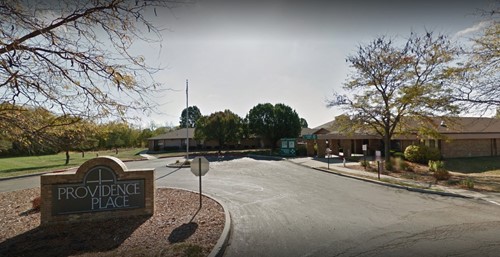
Providence Place Ltcu
Kansas City, KS
 Assisted Living
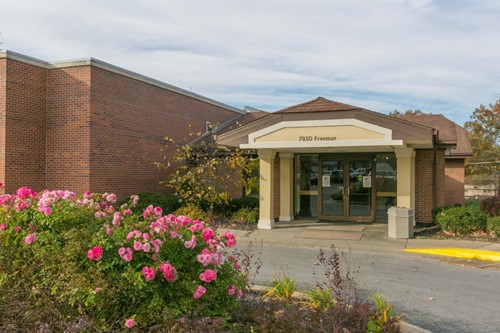
Riverbend Post Acute Rehabilitation - Assisted Living
Kansas City, KS
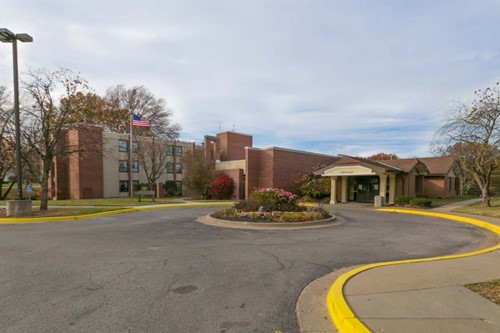 Assisted Living
Riverbend Post Acute Rehabilitation
Kansas City, KS
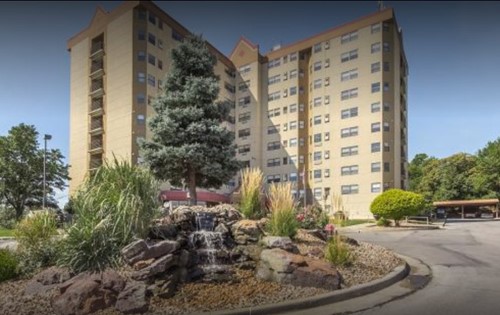 Senior Care
Victory Hills Senior Living Community
Kansas City, KS
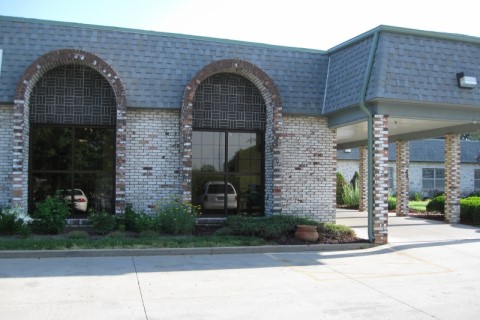 Assisted Living
Medicalodges Post Acute Care Center
Kansas City, KS
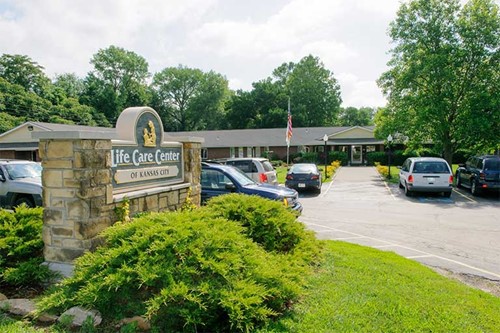 Assisted Living
Life Care Center Of Kansas City
Kansas City, KS
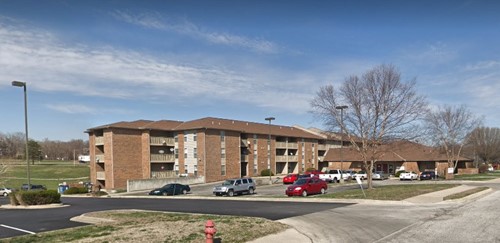 Senior Care
Mt. Carmel Place
Kansas City, KS
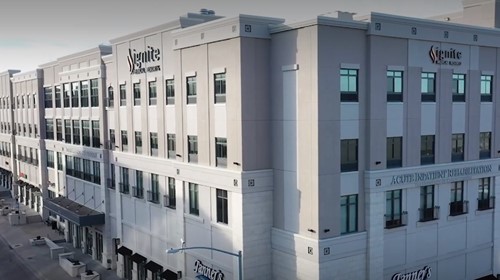 Assisted Living
Ignite Medical Resort - Rainbow Blvd
Kansas City, KS
Delaware Highlands
Kansas City, KS
The Healthcare Resort Of Kansas City
Kansas City, KS
Faith Home Healthcare, Inc
Kansas City, KS
Free Quotes
Get quotes from local pros in Kansas City
Tell us what you need and we’ll pass it to companies that serve your area. It’s free, and there’s no obligation.

Compare Kansas City with any city
See how it stacks up on cost, income, and quality of life.
Start Comparing