



City Profile
Portland, Maine
USA · Comprehensive city data and intelligence
Portland, Maine, is a historic coastal city and the state's most populous municipality, serving as a vital economic and cultural hub for Northern New England. Originally settled by English colonists in 1633, its history is deeply intertwined with maritime trade, fishing, and light industry, evolving significantly in the 21st century to rely heavily on the service sector. Today, Portland is recognized for its vibrant food scene, picturesque Old Port district with cobblestone streets, and a growing reputation as a center for innovation in healthcare and technology, attracting residents with its blend of urban amenities and coastal charm. The city's strategic location on the Atlantic coast, coupled with its rich history and developing economy, makes it a unique destination for both residents and visitors.
Portland's character is defined by its distinct neighborhoods, from the bustling waterfront of the Old Port to the residential streets of Munjoy Hill and the West End, each offering a unique atmosphere. The city has seen a resurgence driven by its thriving arts and culture scene, a nationally acclaimed culinary landscape, and a commitment to preserving its historic architecture while embracing modern development. This combination of historical preservation and forward-looking growth contributes to Portland's appeal as a desirable place to live, work, and explore, fostering a strong sense of community and a high quality of life for its residents.
Maine, known for its rugged coastline and vast forests, offers a lifestyle that prioritizes a slower pace and access to nature. The economy is diverse, with major industries including forest products, marine/aquaculture, food/agriculture, outdoor recreation, and manufacturing, alongside growing sectors like life sciences. While the cost of living is generally moderate compared to other New England states, housing costs can be higher in popular coastal areas like Portland. The climate features warm, sometimes humid summers and long, cold, and very snowy winters, especially inland, with coastal areas experiencing slightly milder temperatures.
How this 55/100 was calculated five components, with every reading behind them
| Component | Readings used | Points | Weight | Contributes |
|---|---|---|---|---|
| Safety | Safety score: 54 / 100 | 54.0 | 30% | 16.2 |
| Affordability | Cost of living index (100 = national baseline): 114.0 | 26.3 | 25% | 6.6 |
| Economy & jobs | Median household income: $79,540 Income needed to live here: no usable reading Unemployment rate: 2.7% | 91.3 | 20% | 18.3 |
| Growth | Population growth rate: 0.51% Job growth rate: 1.85% | 47.4 | 15% | 7.1 |
| Business climate assessment | Business climate assessment: 70 / 100 | 70.0 | 10% | 7.0 |
| Overall score | 55.1 | |||
Provenance.
These figures were produced by the research pass recorded as
Gemini (Tier 2 (reasoned), q=90 ✓ perfect), last refreshed
12 September 2026.
They are researched estimates drawn from public sources, not a licensed data feed.
Each component is scored against fixed published endpoints, so this number is comparable with any other city and does not move as the dataset grows. Scoring framework 2026.10 — full methodology, weights and accepted ranges.

Featured Events
Happening in Portland
Featured and sponsored events in Portland.
Local Directory
Businesses in Portland
Featured local businesses in Portland.

Performance
Quality Scores
Expenses
Cost of Living
The cost of living in Portland, Maine, is notably higher than the national average, with housing being a primary driver of this expense. Overall, Portland's cost of living index stands at 114, meaning it is 14% more expensive than the U.S. average. This elevated cost is reflected across various categories, including housing, utilities, and transportation, which are all priced above the national median. While the city offers a high quality of life and economic opportunities, prospective residents should be prepared for a higher financial commitment compared to many other U.S. cities.
Factors contributing to Portland's higher cost of living include its desirable coastal location, a robust job market in key sectors, and a strong demand for housing. The median household income in Portland is $79,540 as of 2024, which helps to offset some of the increased expenses, but the affordability score remains relatively low at 45. This suggests that while salaries may be competitive, the cost of essential goods and services, particularly housing, presents a significant challenge for many.
Weather
Climate
Mobility
Transport
Portland provides a good range of transportation options, with a notable emphasis on walkability and public transit, particularly within its core areas. The city has an average Walk Score of 62, indicating that most errands can be accomplished on foot, and the peninsula neighborhoods score even higher, often in the 90s, earning them the 'Walker's Paradise' designation. This makes it feasible for residents to live car-free, especially in central districts, with numerous bus lines serving the city.
The average commute time in Portland is approximately 19.4 minutes, which is relatively efficient. While public transit is available and walkability is high in key areas, car dependency can increase in the suburban edges of the city. The city's infrastructure supports both pedestrian and vehicular traffic, though traffic can be a consideration during peak hours.

At a Glance
Pros & Cons
Advantages
Drawbacks
Head to Head
Compare Portland
Community Q&A
Questions about Portland
What people ask about living in and moving to Portland, Maine.
What’s the overall vibe of living in Portland?
Portland blends a historic New England charm with a vibrant cultural scene. The city is known for its walkable downtown, active arts community, and strong emphasis on local food and craft beverages. Residents often cite a strong sense of community, with frequent farmers’ markets, festivals, and neighborhood gatherings. While the cost of living is modestly above the national average, the quality of life is supported b...
How are public schools rated in Portland?
Portland’s public schools are administered by a single district that offers K‑12 education across several campuses. Performance metrics generally place the district at or slightly above state averages, with particular strengths in early literacy and community involvement. The district website provides school report cards, enrollment procedures, and information on special programs such as gifted education and language...
What industries are strongest for job seekers in Portland?
Portland's economy is anchored by a mix of healthcare, education, tourism, and a growing tech sector. The city also has a notable food‑service and maritime industry due to its coastal location. For tech professionals, look for opportunities with startups, software firms, and remote‑work positions that are increasingly common in the region. Hospitality jobs are plentiful in hotels, restaurants, and event venues, espec...
What public transportation options are available in Portland?
Portland is served by a city transit authority that operates bus routes covering the downtown core, surrounding suburbs, and key employment centers. The system also includes a seasonal ferry service for waterfront travel. Passes can be purchased for unlimited rides on a monthly basis, which is cost‑effective for daily commuters. For longer trips, regional rail and intercity bus services connect Portland to other part...
Where can I find hospitals and clinics in Portland?
Portland hosts several major hospitals and a network of outpatient clinics offering primary care, specialty services, and emergency treatment. The city’s health‑care system includes both teaching hospitals and community health centers. To locate a provider, use the state health department’s provider directory or the hospital system’s online locator tool, which lets you filter by specialty, insurance acceptance, and d...
What should I know about moving costs to Portland?
Moving to Portland typically involves higher housing costs than many West Coast cities, with average rent at $2,088 per month. Shipping household goods can be pricey due to the distance, so request quotes from several moving companies and consider a DIY truck rental if you have few items. Utility activation fees, internet installation, and a security deposit for rental units add to upfront expenses. Additionally, fac...
How does Portland's cost of living compare to the national average?
Portland's cost‑of‑living index is 114, meaning overall expenses are about 14 % higher than the U.S. average. Housing is the biggest driver, with average rent around $2,088 per month for a typical apartment. Groceries, utilities, and transportation also run above the national average, though health care costs are roughly in line with the rest of the country. To plan your budget, start with the rent figure, add roughl...
What outdoor activities are popular for newcomers?
Portland’s coastal setting provides ample opportunities for outdoor recreation. The city maintains a network of bike lanes and multi‑use paths that connect neighborhoods to the waterfront and nearby parks. There are several public trails that lead into surrounding hills and forests, offering moderate hikes with scenic views of the Atlantic. The harbor area features walking promenades, kayaking rentals, and seasonal s...
What is the typical rent for a one‑bedroom apartment in Portland?
The average rent in Portland is $2,088 per month across all unit sizes. One‑bedroom apartments in central areas tend to be close to that average, while smaller units or those farther from the core may be slightly lower. When searching, use local rental listings and filter by size and proximity to the waterfront or historic district to gauge exact prices. Keep in mind that utilities are often separate, so factor an ad...
Is Portland considered a safe city to live in?
Portland’s safety score is 54 out of 100, indicating a moderate level of crime relative to other U.S. cities. Most incidents are property‑related, such as theft or vandalism, and tend to cluster in higher‑traffic tourist zones. Residential neighborhoods generally experience lower rates of violent crime. For a family, it’s wise to review the city’s crime maps, which are available through the municipal police departmen...
Some answers here were drafted as a starting point and may be out of date. Live in Portland? Add your own.
FAQ
Frequently Asked Questions
Businesses for Sale in Portland
Explore active acquisition & franchise opportunities .


Senior Care in Portland
11 assisted living, nursing & memory care facilities in Portland.
 Senior Care
Seaside Skilled Rehabilitation Center
Portland, ME
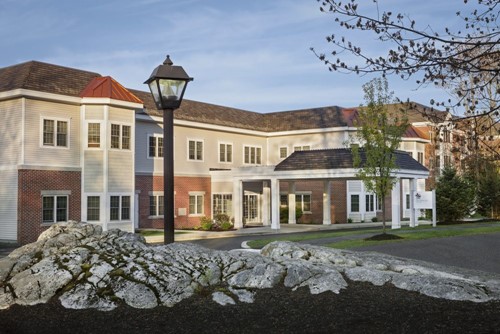 Senior Care
Osher Inn at The Cedars
Portland, ME
 Assisted Living
Cedars Nursing Care Center
Portland, ME
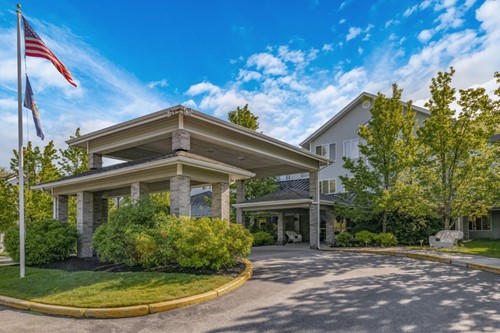 Senior Care
The Woods at Canco
Portland, ME
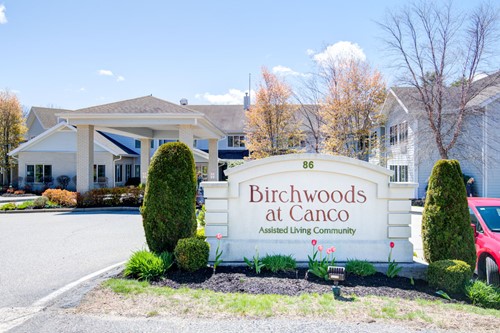 Assisted Living
Birchwoods at Canco Assisted Living
Portland, ME
 Assisted Living
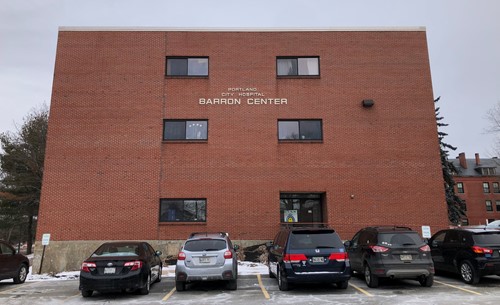
Barron Center
Portland, ME
Senior Care
Osher Inn at The Cedars
Portland, ME
Assisted Living
Cedars Nursing Care Center
Portland, ME
Senior Care
The Woods at Canco
Portland, ME
Assisted Living
Birchwoods at Canco Assisted Living
Portland, ME
Assisted Living
Barron Center
Portland, ME
City Guide
Explore Portland
Free Quotes
Get quotes from local pros in Portland
Tell us what you need and we’ll pass it to companies that serve your area. It’s free, and there’s no obligation.

Compare Portland with any city
See how it stacks up on cost, income, and quality of life.
Start Comparing