


City Profile
Flint, Michigan
USA · Comprehensive city data and intelligence
Flint, Michigan, once a booming hub of the American automotive industry, is a city with a rich industrial past and a resilient spirit. Known historically as 'Vehicle City' due to its deep ties with General Motors, Flint played a pivotal role in shaping the nation's manufacturing landscape. While the city has faced significant economic and social challenges since the late 1960s, including a substantial downsizing of the auto workforce, it continues to be a community focused on revitalization and community-led initiatives. People are drawn to Flint for its affordable cost of living, strong community institutions like the Flint Cultural Center, and the presence of several higher education institutions, including Kettering University, which is experiencing growth. The city is located along the Flint River, approximately 66 miles northwest of Detroit, serving as a principal city within the Central Michigan region.
Michigan, known as "The Great Lakes State," offers a diverse landscape with extensive freshwater coastlines and a distinct four-season climate, featuring warm summers and cold, snowy winters. Its economy, historically driven by the automotive industry, is diversifying into advanced manufacturing, healthcare, life sciences, and technology. The cost of living in Michigan is generally lower than the national average, particularly for housing, making it an affordable option for many. Residents enjoy a lifestyle that often includes abundant outdoor recreation opportunities, from water sports on the Great Lakes to winter activities and extensive trail systems.
Performance
Quality Scores
Expenses
Cost of Living
The cost of living in Flint, Michigan, is notably lower than the national average, making it an attractive option for those seeking affordability. Residents benefit from a cost of living that is approximately 21.63% below the national average, with housing, utilities, transportation, and healthcare expenses all contributing to this favorable positioning. This affordability allows residents' financial resources to extend further, supporting an economical and sustainable lifestyle. For instance, the average rent in Flint is significantly lower than the national median, positioning it as an accessible market for renters seeking value.
Income
Salary Insights
Flint's economy has undergone significant transformation, moving away from its heavy reliance on automotive manufacturing. While manufacturing remains a key sector, the city's employment landscape in 2024 also saw substantial contributions from Health Care & Social Assistance and Retail Trade. From 2023 to 2024, employment in Flint experienced a growth rate of 2.45%. Despite these positive shifts in employment, the city faces challenges, with an unemployment rate of 13.1% in 2026, which is higher than the national average. The job market continues to evolve, with ongoing efforts to diversify the economic base and increase access to employment opportunities for residents.
The average salary in Flint is $23,997 per year. You would need approximately $35,000 to live comfortably.
Employment
Top Industries
Weather
Climate
Mobility
Transport
Getting around Flint primarily relies on personal vehicles, as indicated by the average commute time of 22.7 minutes in 2024, with most people driving alone to work. Car ownership in Flint averages one car per household, which is lower than the national average. While public transportation options exist, the city's transit score is 50 out of 100, suggesting some public transit availability but not extensive coverage. Similarly, Flint has a walkability score of 50 out of 100, indicating it is fairly walkable in some areas. Given these scores and commuter habits, Flint exhibits a high degree of car dependency for daily travel.
At a Glance
Pros & Cons
Advantages
Drawbacks
Head to Head
Compare Flint
More in Flint
Do business & find care in Flint
Business & Franchises
Ready to buy, franchise, or launch a business in Flint, Michigan?
Powered by AziBizSenior Care
51 senior care facilities in Flint — assisted living, nursing & memory care.
Powered by FindCarezBusinesses for Sale in Michigan
Explore active acquisition & franchise opportunities across Michigan.
 Independent
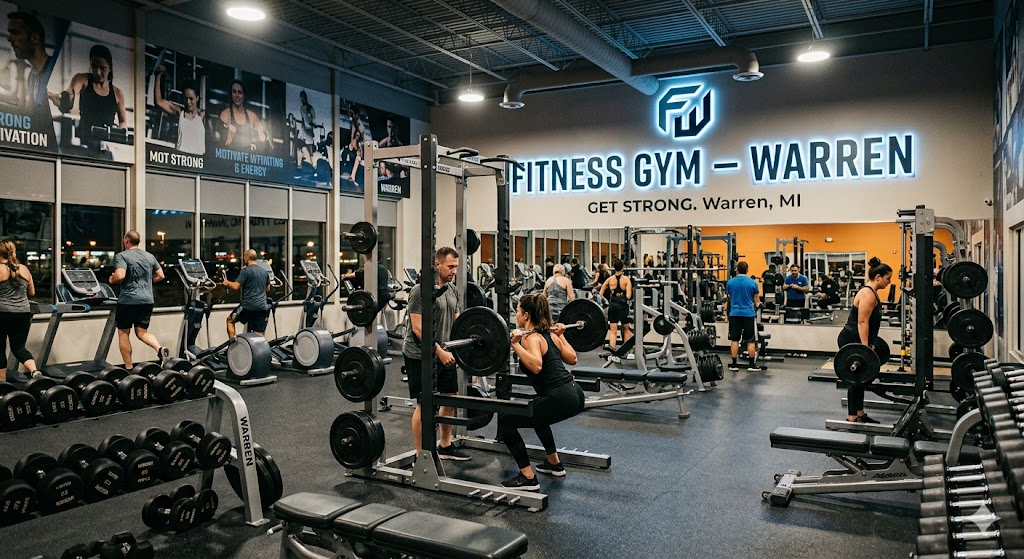
Fitness Gym for Sale – Warren
Warren, Michigan
 Independent
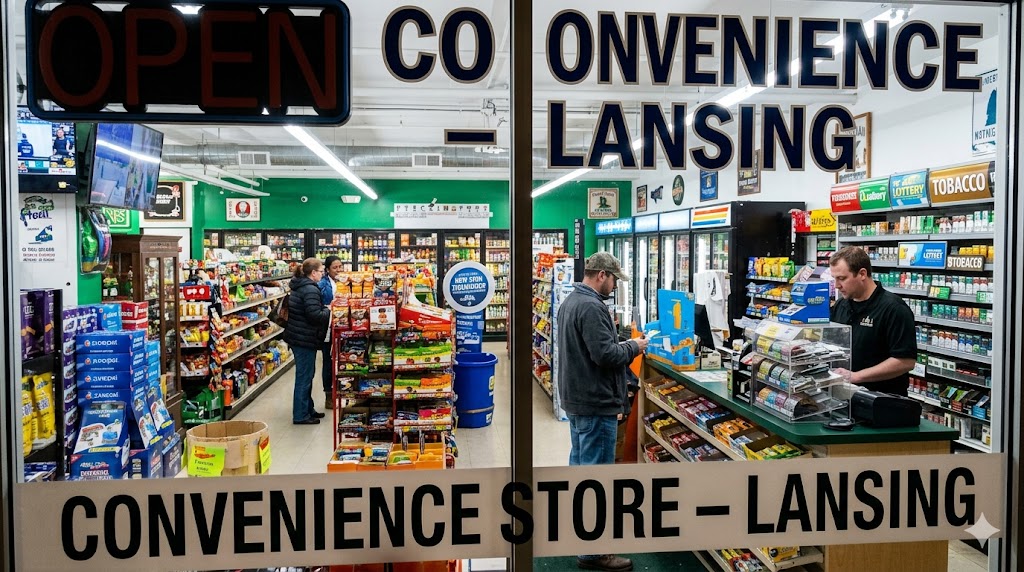
Retail Convenience Store for Sale – Lansing
Lansing, Michigan
 : Independent
Successful Café for Sale – Ann Arbor
Ann Arbor, Michigan
 Independent
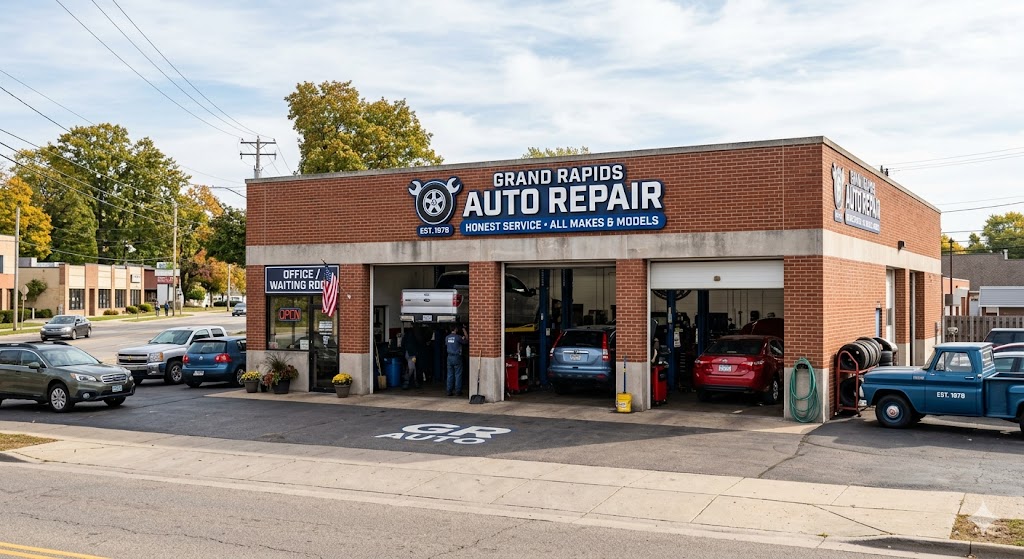
Established Auto Repair Shop for Sale – Grand Rapids
Grand Rapids, Michigan
 Independent
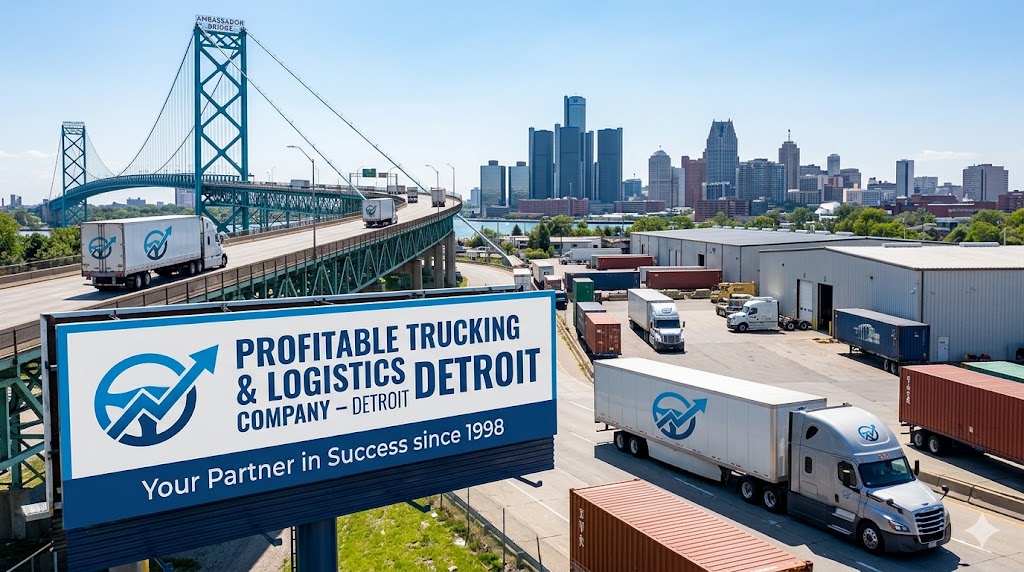
Profitable Trucking & Logistics Company for Sale – Detroit
Detroit, Michigan
Local Directory
Businesses in Flint
No businesses listed in Flint yet — be the first to get in front of people moving here.
Add your business — free
Compare Flint with any city
See how it stacks up on cost, income, and quality of life.
Start Comparing