



City Profile
Grand Rapids, Michigan
USA · Comprehensive city data and intelligence
Grand Rapids, Michigan, is a vibrant city situated along the Grand River, approximately 25 miles east of Lake Michigan. Known historically as the "Furniture City" due to its prominent manufacturing sector, it has evolved into a diverse economic and cultural hub for West Michigan. The city attracts new residents with its strong job market, a growing healthcare sector, and a relatively affordable cost of living compared to national averages. Grand Rapids is recognized for its blend of urban amenities and access to natural beauty, offering a dynamic environment for both professionals and families.
Michigan, known as "The Great Lakes State," offers a diverse landscape with extensive freshwater coastlines and a distinct four-season climate, featuring warm summers and cold, snowy winters. Its economy, historically driven by the automotive industry, is diversifying into advanced manufacturing, healthcare, life sciences, and technology. The cost of living in Michigan is generally lower than the national average, particularly for housing, making it an affordable option for many. Residents enjoy a lifestyle that often includes abundant outdoor recreation opportunities, from water sports on the Great Lakes to winter activities and extensive trail systems.
How this 61/100 was calculated five components, with every reading behind them
| Component | Readings used | Points | Weight | Contributes |
|---|---|---|---|---|
| Safety | Safety score: 65 / 100 | 65.0 | 30% | 19.5 |
| Affordability | Cost of living index (100 = national baseline): 95.0 | 50.0 | 25% | 12.5 |
| Economy & jobs | Median household income: $69,108 Income needed to live here: $41,000 Unemployment rate: 3.6% | 90.0 | 20% | 18.0 |
| Growth | Population growth rate: 0.09% Job growth rate: 0.2% | 25.6 | 15% | 3.8 |
| Business climate assessment | Business climate assessment: 70 / 100 | 70.0 | 10% | 7.0 |
| Overall score | 60.8 | |||
Provenance.
These figures were produced by the research pass recorded as
Gemini (Tier 2 (reasoned), q=82), last refreshed
2 July 2026.
They are researched estimates drawn from public sources, not a licensed data feed.
Each component is scored against fixed published endpoints, so this number is comparable with any other city and does not move as the dataset grows. Scoring framework 2026.10 — full methodology, weights and accepted ranges.

Featured Events
Happening in Grand Rapids
Featured and sponsored events in Grand Rapids.
Local Directory
Businesses in Grand Rapids
Featured local businesses in Grand Rapids.

Performance
Quality Scores
Expenses
Cost of Living
The cost of living in Grand Rapids is generally more affordable than the national average, estimated to be about 5% lower overall. Housing costs, in particular, are a significant factor in this affordability, being approximately 15% lower than the national average. While groceries are slightly less expensive, healthcare costs are noted to be about 4.1% higher than the U.S. average. Utility expenses are comparable to the national baseline, though seasonal variations, especially for heating in winter and cooling in summer, can influence monthly bills.
Income
Salary Insights
Grand Rapids boasts a robust and diversified economy, driven by several key industries. Manufacturing remains a cornerstone, with the city being a national leader in furniture, automotive, medical devices, and advanced production technology, accounting for 19% of all regional jobs. The healthcare and life sciences sectors are also significant, with major hospital networks and medical device creators contributing to a thriving "Medical Mile." Furthermore, the information technology sector is experiencing substantial growth, attracting tech talent and new startups. The region added 2,000 new jobs in 2025 and is actively attracting younger workers, positioning Grand Rapids as a strong market for career development.
The average salary in Grand Rapids is $49,334 per year. You would need approximately $41,000 to live comfortably.
Employment
Top Industries
Weather
Climate
Mobility
Transport
Getting around Grand Rapids primarily involves driving, though efforts are being made to enhance public transit and walkability. The average commute time for residents is around 19 minutes. While specific walkability and transit scores are not readily available, the city experiences relatively moderate traffic congestion compared to larger U.S. cities, with a traffic index of 21% in 2025. Public transportation is provided by The Rapid, offering bus services throughout the metropolitan area. However, many residents still rely on personal vehicles for daily commuting and errands.

At a Glance
Pros & Cons
Advantages
Drawbacks
Head to Head
Compare Grand Rapids
Community Q&A
Questions about Grand Rapids
What people ask about living in and moving to Grand Rapids, Michigan.
FAQ
Frequently Asked Questions
Businesses for Sale in Grand Rapids
Explore active acquisition & franchise opportunities .
Senior Care in Grand Rapids
20 assisted living, nursing & memory care facilities in Grand Rapids.
 Senior Care
Care Resources - PACE
Grand Rapids, MI
 Senior Care
Holland Home Breton Terrace
Grand Rapids, MI
 Senior Care
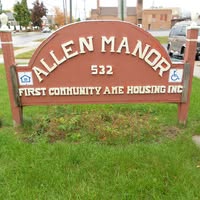
Allen Manor Senior Housing
Grand Rapids, MI
 Senior Care
Spectrum Health Hospice & Palliative Care
Grand Rapids, MI
 Senior Care
AgeWise Eldercare Solutions
Grand Rapids, MI
 Senior Care
Benson Group Home
Grand Rapids, MI
 Senior Care
Ada House AFC
Grand Rapids, MI
 Senior Care
A Grand Rapids Senior Social Exchange and Adult Day Center
Grand Rapids, MI
Samaritas Senior Living Grand Rapids Lodge
Grand Rapids, MI
Cook Valley Estates
Grand Rapids, MI
Green House Homes - Valley Health Center
Grand Rapids, MI
Clark at Franklin Skilled Nursing
Grand Rapids, MI
City Guide
Explore Grand Rapids
Free Quotes
Get quotes from local pros in Grand Rapids
Tell us what you need and we’ll pass it to companies that serve your area. It’s free, and there’s no obligation.

Compare Grand Rapids with any city
See how it stacks up on cost, income, and quality of life.
Start Comparing