



City Profile
Kalamazoo, Michigan
USA · Comprehensive city data and intelligence
Kalamazoo, Michigan, is a vibrant city nestled in Southwest Michigan, known for its rich history and strong community ties. Originally a hub for the fur trade and later a significant milling center, Kalamazoo has evolved into a diverse urban area with a strong emphasis on education, healthcare, and manufacturing. The city's character is shaped by its numerous parks, cultural institutions, and the presence of Western Michigan University, which contributes to a youthful and dynamic atmosphere. People are drawn to Kalamazoo for its blend of urban amenities and access to natural beauty, offering a quality of life that balances career opportunities with a welcoming, small-city feel.
Michigan, known as "The Great Lakes State," offers a diverse landscape with extensive freshwater coastlines and a distinct four-season climate, featuring warm summers and cold, snowy winters. Its economy, historically driven by the automotive industry, is diversifying into advanced manufacturing, healthcare, life sciences, and technology. The cost of living in Michigan is generally lower than the national average, particularly for housing, making it an affordable option for many. Residents enjoy a lifestyle that often includes abundant outdoor recreation opportunities, from water sports on the Great Lakes to winter activities and extensive trail systems.
How this 53/100 was calculated five components, with every reading behind them
| Component | Readings used | Points | Weight | Contributes |
|---|---|---|---|---|
| Safety | Safety score: 45 / 100 | 45.0 | 30% | 13.5 |
| Affordability | Cost of living index (100 = national baseline): 86.0 | 61.3 | 25% | 15.3 |
| Economy & jobs | Median household income: $52,272 Income needed to live here: $55,000 Unemployment rate: 4.1% | 46.3 | 20% | 9.3 |
| Growth | No usable reading — dataset average used | 56.4 | 15% | 8.5 |
| Business climate assessment | Business climate assessment: 68 / 100 | 68.0 | 10% | 6.8 |
| Overall score | 53.3 | |||
Provenance.
These figures were produced by the research pass recorded as
Gemini (Tier 1 (fast), q=78), last refreshed
31 August 2026.
They are researched estimates drawn from public sources, not a licensed data feed.
Each component is scored against fixed published endpoints, so this number is comparable with any other city and does not move as the dataset grows. Scoring framework 2026.10 — full methodology, weights and accepted ranges.

Featured Events
Happening in Kalamazoo
Featured and sponsored events in Kalamazoo.
Local Directory
Businesses in Kalamazoo
Featured local businesses in Kalamazoo.

Performance
Quality Scores
Expenses
Cost of Living
Kalamazoo offers a cost of living that is notably lower than the national average, making it an attractive option for those seeking affordability. Housing costs, in particular, are significantly lower than the U.S. average, with both rental prices and home values being considerably less expensive. This affordability extends to other essential expenses such as utilities, transportation, and groceries, which are also priced below the national benchmarks. While some goods and services might be comparable to national averages, the overall lower cost of living allows residents to maintain a comfortable lifestyle without the financial strain often associated with larger metropolitan areas.
Income
Salary Insights
The economy of Kalamazoo is anchored by a diverse range of industries, with healthcare, pharmaceuticals, higher education, and manufacturing forming its core. Major employers like Bronson Healthcare Group and Western Michigan University provide a stable job market, complemented by significant contributions from companies such as Stryker and Pfizer. While recent employment figures show a slight decline, the city's economic resilience is bolstered by its diversified industrial base. The presence of a major university also fosters a growing sector in research and development, and the city is actively working to support new business growth.
The average salary in Kalamazoo is $65,000 per year. You would need approximately $55,000 to live comfortably.
Employment
Top Industries
Weather
Climate
Mobility
Transport
Getting around Kalamazoo is generally convenient, with an average commute time of around 18.5 minutes, which is shorter than the national average. While most residents rely on cars, the city does offer public transportation through Metro Kalamazoo, which operates 21 fixed bus routes. Walkability is a key feature in certain neighborhoods, particularly the Central Business District, which has a high Walk Score, allowing residents to access amenities on foot. However, for most errands, a car is still the preferred mode of transport.

At a Glance
Pros & Cons
Advantages
Drawbacks
Head to Head
Compare Kalamazoo
Community Q&A
Questions about Kalamazoo
What people ask about living in and moving to Kalamazoo, Michigan.
FAQ
Frequently Asked Questions
Senior Care in Kalamazoo
19 assisted living, nursing & memory care facilities in Kalamazoo.
 Senior Care
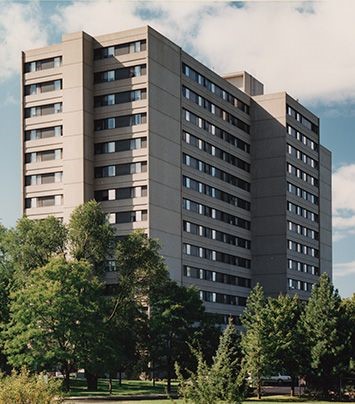
City View in the Square Apartments
Kalamazoo, MI
 Assisted Living
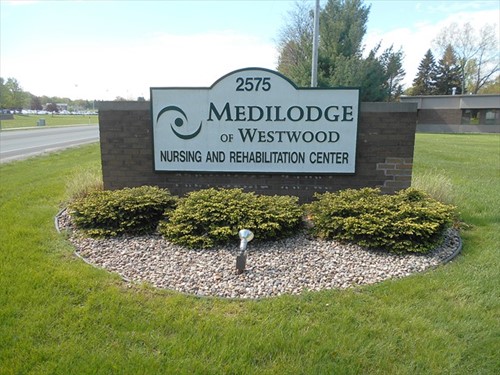
Medilodge Of Westwood
Kalamazoo, MI
 Senior Care
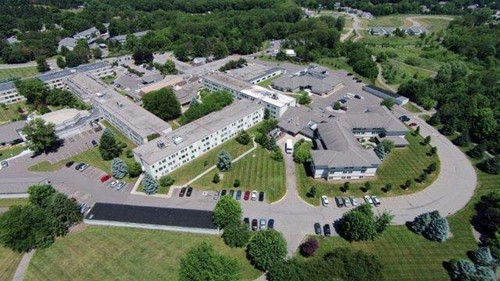
Friendship Village Kalamazoo - Independent and Assisted Livi...
Kalamazoo, MI
 Assisted Living
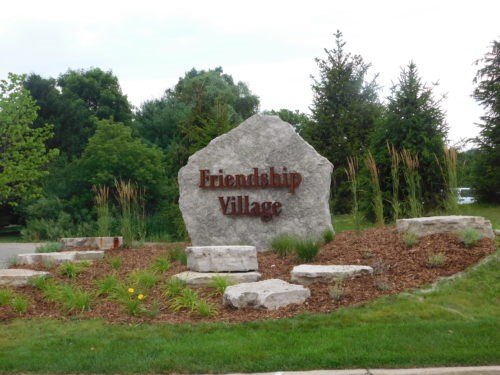
Friendship Village
Kalamazoo, MI
 Senior Care
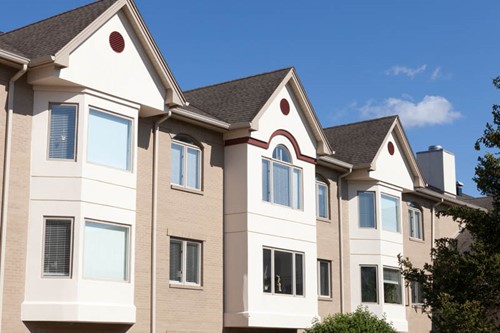
The Fountains at Bronson Place Senior Living
Kalamazoo, MI
 Senior Care
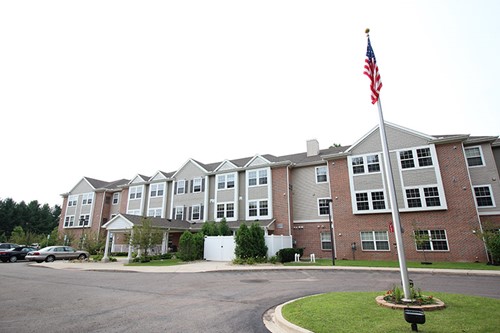
The Village of Sage Grove
Kalamazoo, MI
 Assisted Living
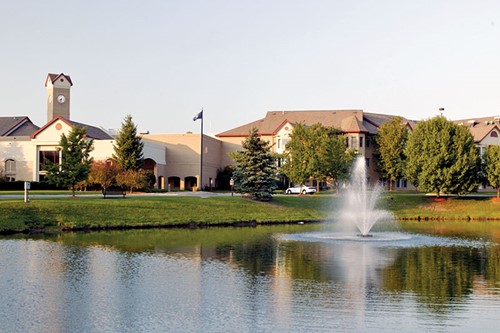
The Springs At The Fountains
Kalamazoo, MI
 Assisted Living
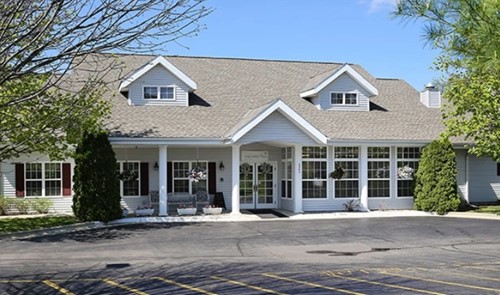
Sojourner Place
Kalamazoo, MI
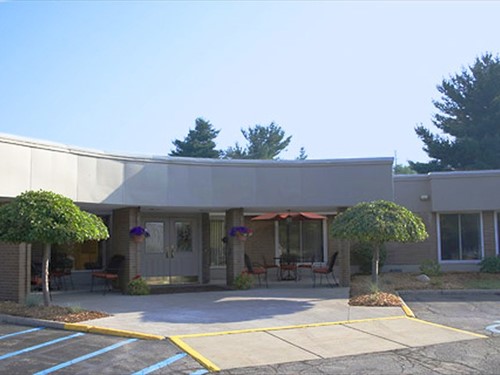 Assisted Living
Medilodge Of Kalamazoo
Kalamazoo, MI
Ascension Living Borgess Place
Kalamazoo, MI
Right at Home - Kalamazoo
Kalamazoo, MI
Kalamazoo Home Health Care
Kalamazoo, MI
City Guide
Explore Kalamazoo
Free Quotes
Get quotes from local pros in Kalamazoo
Tell us what you need and we’ll pass it to companies that serve your area. It’s free, and there’s no obligation.

Compare Kalamazoo with any city
See how it stacks up on cost, income, and quality of life.
Start Comparing