



City Profile
Columbia, Missouri
USA · Comprehensive city data and intelligence
Missouri, known as the "Show-Me State," offers a diverse landscape from the Ozark Mountains to the Missouri River, characterized by a continental climate with hot, humid summers and cold winters, experiencing all four seasons. Its economy is highly diversified, with major industries including agriculture, manufacturing (especially transportation equipment and food processing), financial services, and a growing presence in high-tech fields like agtech and cybersecurity. Living in Missouri is generally affordable, consistently ranking among the states with the lowest cost of living, with housing costs significantly below the national average. The lifestyle offers a blend of urban amenities in cities like St. Louis and Kansas City, known for their arts, music, and professional sports, alongside abundant outdoor recreation opportunities.

Featured Events
Happening in Columbia
Featured and sponsored events in Columbia.
Local Directory
Businesses in Columbia
Featured local businesses in Columbia.


Head to Head
Compare Columbia
Community Q&A
Questions about Columbia
What people ask about living in and moving to Columbia, Missouri.
Is Columbia considered a safe city for families?
Columbia’s overall crime statistics are comparable to other mid‑size Midwestern cities, with lower violent crime rates than the national average. Most residential neighborhoods report low incidences of property crime, and the city’s police department publishes monthly crime maps that show trends by area. For the most current safety information, consult the city’s public safety dashboard or contact the local police no...
What public transportation options are available in Columbia?
Columbia is served by a city‑run bus system that operates fixed routes throughout the urban core and surrounding suburbs. Routes are timed to connect major employment centers, the university campus, and shopping districts, and many have reduced‑fare options for students and seniors. The transit authority also offers a paratransit service for those with mobility challenges. For real‑time bus schedules and route maps,...
What are the biggest employment sectors in Columbia?
Columbia’s economy is anchored by education, healthcare, and technology. The presence of a major university drives many academic and research positions, while the regional medical center offers a wide range of clinical and administrative jobs. Additionally, the city has a growing tech startup scene and several manufacturing firms. For a comprehensive view of current openings, check the city’s workforce development bo...
How does the cost of living in Columbia compare to larger Missouri cities?
Columbia’s cost of living is generally lower than the state's largest metropolitan areas. Housing, groceries, and transportation tend to be cheaper, while utilities and healthcare are close to state averages. Rent for a one‑bedroom apartment in the city center typically costs less than in Kansas City, and you’ll find a range of grocery stores offering competitive prices. To get a precise picture, you can use cost‑of‑...
What are the most affordable neighborhoods for renters in Columbia?
Affordable rental options are often found in neighborhoods that are a short bike or bus ride from the downtown core. These areas typically have a mix of older apartments and newer multifamily developments. Look for listings on regional rental platforms and filter for price range and proximity to the central business district. The city’s housing authority also publishes a list of income‑qualified units. When touring,...
How do public schools in Columbia rank academically?
Public schools in Columbia are generally rated above state average on standardized testing and have strong extracurricular programs. The district’s website publishes annual report cards that include test scores, graduation rates, and student‑teacher ratios. You can also review statewide school rating portals for comparative data. Many families attend open houses or virtual tours to assess school culture and facilitie...
What utilities should I set up before moving to Columbia?
Before you arrive, arrange for electricity, natural gas (if applicable), water, and trash collection through the city’s utility providers. Internet and cable services are offered by several regional companies; you can compare plans on their websites or use a broadband comparison tool. If you’ll have a vehicle, register it with the state motor vehicle department within 30 days of moving. The city’s official website pr...
What’s the climate like year‑round in Columbia?
Columbia experiences a humid continental climate with four distinct seasons. Summers are warm and humid, with average high temperatures in the upper 80s °F, while winters are cold, often dipping below 20 °F and bringing occasional snowfall. Spring and fall are transitional, featuring mild temperatures and frequent thunderstorms in the spring. The area receives moderate precipitation throughout the year, so having a v...
Where can I find primary care doctors and specialists in Columbia?
Columbia has several large medical centers and a network of private practices offering primary care, pediatrics, and specialty services. The city’s health department maintains a provider directory that lets you search by specialty, insurance acceptance, and location. Many practices also offer same‑day appointments and telehealth options. To choose a provider, consider factors such as office hours, proximity to your h...
What are the top free or low‑cost activities for newcomers in Columbia?
Columbia offers a variety of free or inexpensive attractions. The downtown area features walkable streets with public art, seasonal festivals, and farmers’ markets. Several parks provide trails, playgrounds, and outdoor concerts during the summer months. The city’s cultural institutions often have free admission days, and the university campus hosts lectures, performances, and museum exhibits that are open to the pub...
Some answers here were drafted as a starting point and may be out of date. Live in Columbia? Add your own.
FAQ
Frequently Asked Questions
Businesses for Sale in Columbia
Explore active acquisition & franchise opportunities .
Senior Care in Columbia
31 assisted living, nursing & memory care facilities in Columbia.
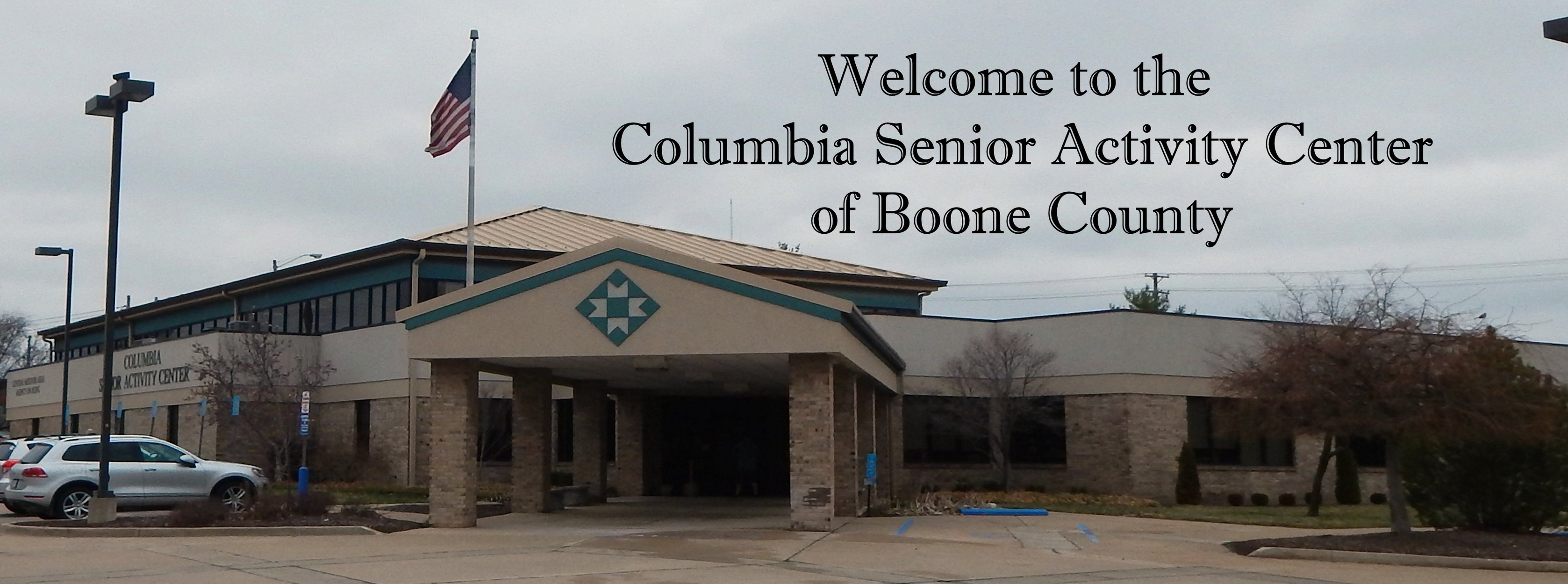 Senior Care
Columbia Senior Center of Boone County
Columbia, MO
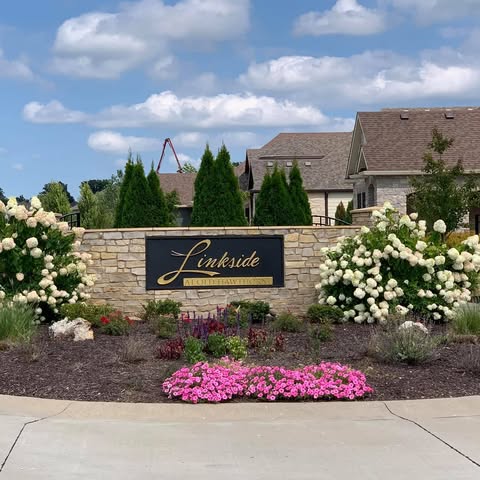 Senior Care
Linkside at Old Hawthorne
Columbia, MO
 Senior Care
Advanced Senior Care
Columbia, MO
 Senior Care
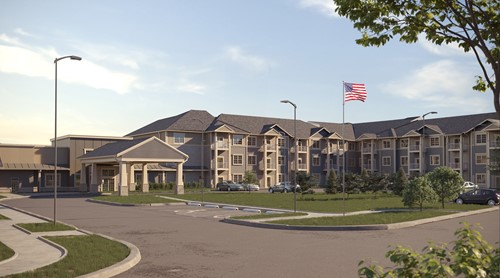
The Westbury Senior Living
Columbia, MO
 Senior Care
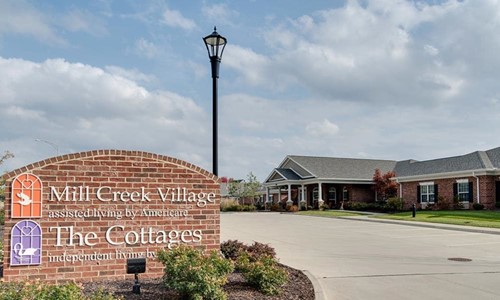
Mill Creek Village Senior Living
Columbia, MO
 Assisted Living
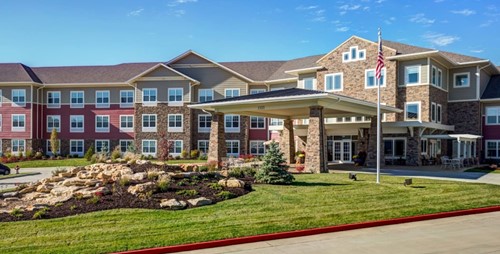
Cedarhurst of Columbia
Columbia, MO
 Assisted Living
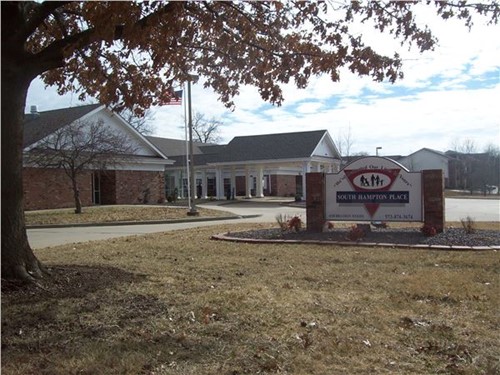
South Hampton Place
Columbia, MO
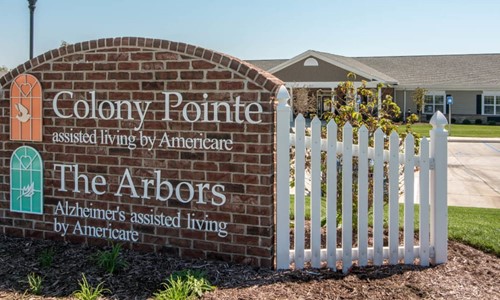 Assisted Living
Colony Pointe Senior Living
Columbia, MO
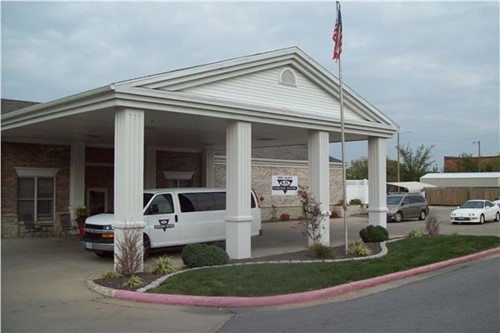 Assisted Living
Parkside Manor
Columbia, MO
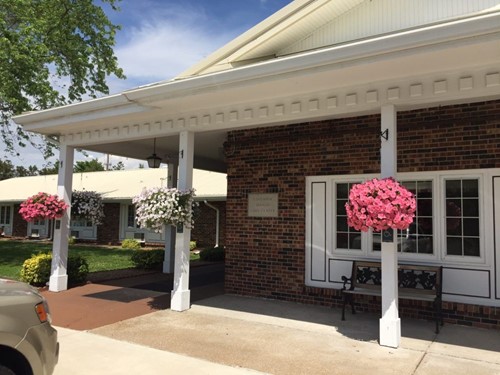 Assisted Living
Columbia Manor Care Center
Columbia, MO
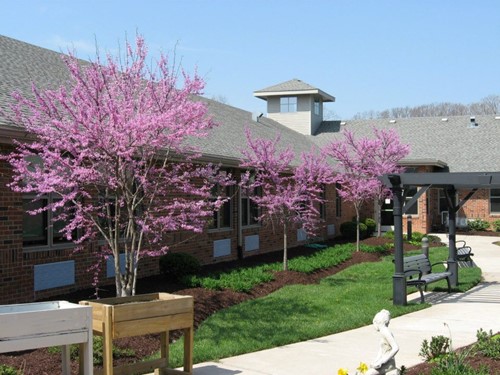 Assisted Living
The Bluffs
Columbia, MO
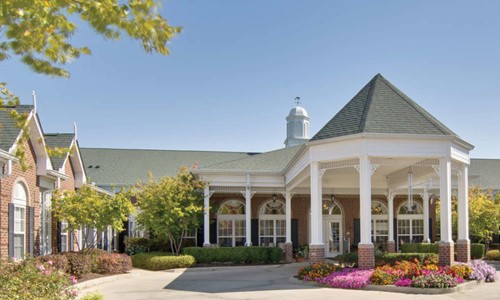 Senior Care
TigerPlace
Columbia, MO
City Guide
Explore Columbia
Free Quotes
Get quotes from local pros in Columbia
Tell us what you need and we’ll pass it to companies that serve your area. It’s free, and there’s no obligation.

Compare Columbia with any city
See how it stacks up on cost, income, and quality of life.
Start Comparing