



City Profile
Springfield, Missouri
USA · Comprehensive city data and intelligence
Springfield, Missouri, often called the "Queen City of the Ozarks" and the "Birthplace of Route 66," is the third most populous city in the state, blending a small-town atmosphere with the amenities and energy of a college town. Located in the southwest corner of Missouri, it serves as a regional hub for healthcare, education, and commerce. The city is known for its natural beauty, offering easy access to the Ozarks' outdoor activities and a community-first approach to development. Springfield's strategic location and growing economy make it an attractive destination for individuals and families seeking a balance of urban conveniences and a lower cost of living.
Missouri, known as the "Show-Me State," offers a diverse landscape from the Ozark Mountains to the Missouri River, characterized by a continental climate with hot, humid summers and cold winters, experiencing all four seasons. Its economy is highly diversified, with major industries including agriculture, manufacturing (especially transportation equipment and food processing), financial services, and a growing presence in high-tech fields like agtech and cybersecurity. Living in Missouri is generally affordable, consistently ranking among the states with the lowest cost of living, with housing costs significantly below the national average. The lifestyle offers a blend of urban amenities in cities like St. Louis and Kansas City, known for their arts, music, and professional sports, alongside abundant outdoor recreation opportunities.
How this 43/100 was calculated five components, with every reading behind them
| Component | Readings used | Points | Weight | Contributes |
|---|---|---|---|---|
| Safety | Safety score: 26 / 100 | 26.0 | 30% | 7.8 |
| Affordability | Cost of living index (100 = national baseline): 90.0 | 56.3 | 25% | 14.1 |
| Economy & jobs | Median household income: $49,311 Income needed to live here: $67,000 Unemployment rate: 3.6% | 40.0 | 20% | 8.0 |
| Growth | Population growth rate: 0.16% Job growth rate: 2% | 44.5 | 15% | 6.7 |
| Business climate assessment | Business climate assessment: 68 / 100 | 68.0 | 10% | 6.8 |
| Overall score | 43.3 | |||
Provenance.
These figures were produced by the research pass recorded as
Gemini (Tier 2 (reasoned), q=80), last refreshed
25 August 2026.
They are researched estimates drawn from public sources, not a licensed data feed.
Each component is scored against fixed published endpoints, so this number is comparable with any other city and does not move as the dataset grows. Scoring framework 2026.10 — full methodology, weights and accepted ranges.

Featured Events
Happening in Springfield
Featured and sponsored events in Springfield.
Local Directory
Businesses in Springfield
Featured local businesses in Springfield.

Performance
Quality Scores
Expenses
Cost of Living
The cost of living in Springfield is notably affordable, consistently ranking 8 to 12 percent below the national average, according to various 2026 data sources. Housing is the primary driver of these savings, with costs estimated to be 10 to 30 percent lower than the national average. Utilities and groceries also contribute to the city's affordability, typically running 19-21% and 4-6% below national averages, respectively. However, healthcare costs in Springfield are reported to be slightly above the national average, by about 6 to 11.5 percent. Despite this, the overall lower expenses for essential categories like housing, food, and transportation make Springfield an appealing option for those looking to stretch their dollar further.
Income
Salary Insights
Springfield boasts a diversified and growing economy, with a metropolitan GDP of $29.3 billion as of 2024. The job market is bolstered by a strong presence in key sectors, including Healthcare and Social Assistance, which employs over 48,000 individuals and contributes significantly to the regional GDP. Manufacturing is another vital industry, employing more than 18,000 people. Other significant sectors include education, logistics, professional services, retail, and tourism. Major employers include CoxHealth and Mercy Hospital Springfield, as well as corporate headquarters for national brands like O'Reilly Auto Parts and Bass Pro Shops. The city's universities, such as Missouri State University, contribute to a skilled talent pipeline, supporting growth in technology, education, and professional services.
The average salary in Springfield is $55,000 per year. You would need approximately $67,000 to live comfortably.
Employment
Top Industries
Weather
Climate
Mobility
Transport
Getting around Springfield is generally easy, with an average commute time of just 16 minutes, significantly shorter than many larger cities. The city benefits from a grid-based street layout and ongoing investments in traffic infrastructure, including innovative diverging diamond interchanges, which help reduce congestion and improve traffic flow. While public transit options exist, the city's design and ease of driving suggest a medium to high car dependency for most residents. Interstate 44 and U.S. Highway 65 provide straightforward access for regional and inter-city travel, connecting Springfield to major cities like Kansas City and St. Louis within a few hours.

At a Glance
Pros & Cons
Advantages
Drawbacks
Head to Head
Compare Springfield
Community Q&A
Questions about Springfield
What people ask about living in and moving to Springfield, Missouri.
How does Springfield's cost of living compare to the national average?
Springfield's cost of living index is 90, meaning it is about 10 % cheaper than the national average, which is set at 100. Everyday expenses such as groceries, utilities, and transportation tend to be lower than in many larger metros, while still offering the amenities of a mid‑size city. Because the index is below the national benchmark, you can generally expect to stretch a salary further here than in higher‑cost a...
Where can I find quality medical care in Springfield?
Springfield hosts several major hospitals and a network of clinics that provide a full range of services, from emergency care to specialty outpatient treatment. The city's health department website lists accredited facilities and offers tools to locate providers by specialty, insurance acceptance, and distance. For chronic conditions, look for health systems that have dedicated disease management programs and multidi...
What should I know about utilities and service setup when moving to Springfield?
When you relocate to Springfield, you’ll need to arrange for electricity, natural gas, water, trash collection, and broadband internet. The city’s utility providers are listed on the municipal website, where you can compare rates, service plans, and connection fees. Most utilities allow online account creation, and many offer a 30‑day grace period for new residents. For internet, several regional carriers operate in...
How do public schools in Springfield rank academically?
Springfield's public schools are administered by a district that provides performance data on its website, including test scores and graduation rates. While the city does not rank among the top national districts, many schools meet state standards and offer a range of programs such as STEM, arts, and special education. Prospective parents should review the district's annual report cards, visit school open houses, and...
What are the average salaries like in Springfield?
The average annual salary in Springfield is $55,000. This figure represents a broad cross‑section of occupations across the city, including professional, technical, and service roles. For a mid‑level finance position, salaries often align with or exceed this average, depending on experience and specific employer. To gauge realistic expectations, review local job boards, the city's labor market reports, or salary comp...
Is Springfield a safe place to live?
Springfield's safety score is 26.0 out of 100, indicating higher crime levels than many other U.S. cities. Crime tends to be concentrated in specific neighborhoods, while many residential areas experience relatively low incidents. To evaluate safety, check the city's public safety dashboard or the state police crime statistics portal, which provide detailed breakdowns by type of crime and location. When choosing a ho...
What public transportation options are available in Springfield?
Springfield is served by a city transit authority that operates bus routes throughout the urban core and surrounding suburbs. The system includes fixed‑route buses, a downtown circulator, and paratransit services for those with mobility challenges. Schedules and route maps are posted on the transit authority's website, and mobile apps can provide real‑time arrival information. For commuters, there are also park‑and‑r...
What is the typical rent for a one‑bedroom apartment in Springfield?
The average rent in Springfield is $1,121 per month, which reflects the overall market for a range of unit sizes, including one‑bedroom apartments. In central neighborhoods you may find rents near this average, while outlying areas could be somewhat lower. When searching, use regional rental listings or the city's housing portal to compare current listings, and consider factors such as proximity to work, utilities in...
What free or low‑cost activities are popular in Springfield?
Springfield offers a variety of free or inexpensive options, including city parks with walking trails, riverfront areas for kayaking, and public art installations. The local cultural district hosts seasonal festivals, outdoor concerts, and museum days with reduced admission. The city’s events calendar, maintained on the municipal website, lists upcoming community gatherings, farmers markets, and volunteer opportuniti...
What’s the overall quality of life like in Springfield?
Springfield combines a lower‑than‑national cost of living with a moderate average salary of $55,000, giving residents a relatively affordable lifestyle. While the safety score suggests higher crime than some peers, many neighborhoods are quiet and community‑focused. The city provides essential amenities such as public schools, healthcare facilities, and a public transit system, along with cultural and outdoor recreat...
Some answers here were drafted as a starting point and may be out of date. Live in Springfield? Add your own.
FAQ
Frequently Asked Questions
Businesses for Sale in Springfield
Explore active acquisition & franchise opportunities .
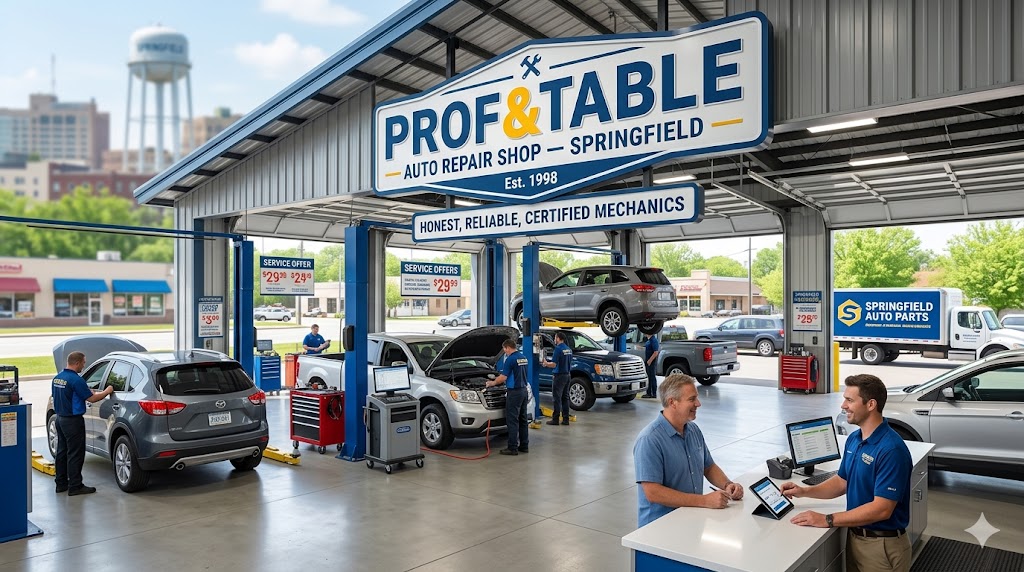 Independent
Profitable Auto Repair Shop for Sale – Springfield
Springfield, Missouri
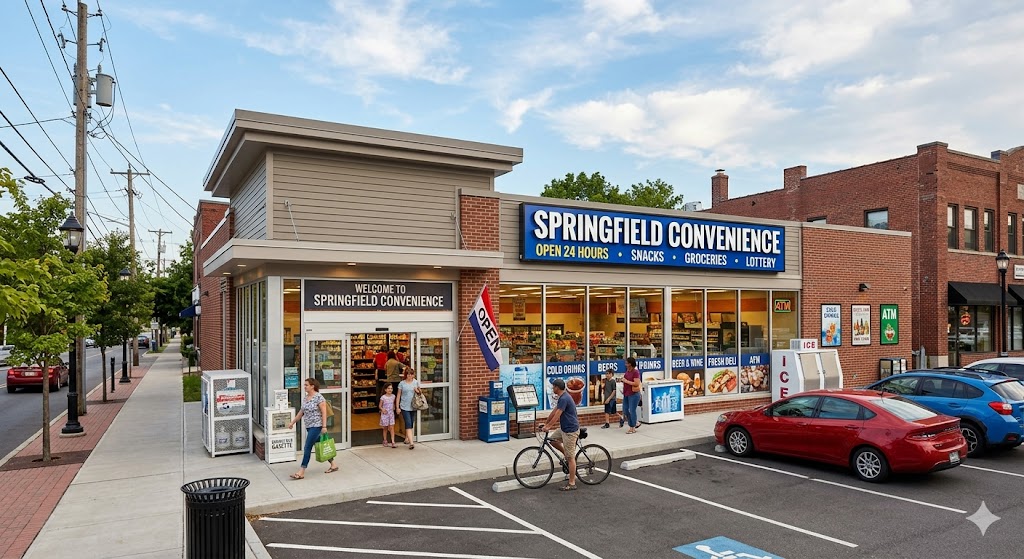 Business for Sale
Retail Convenience Store for Sale – Springfield
Springfield, Massachusetts
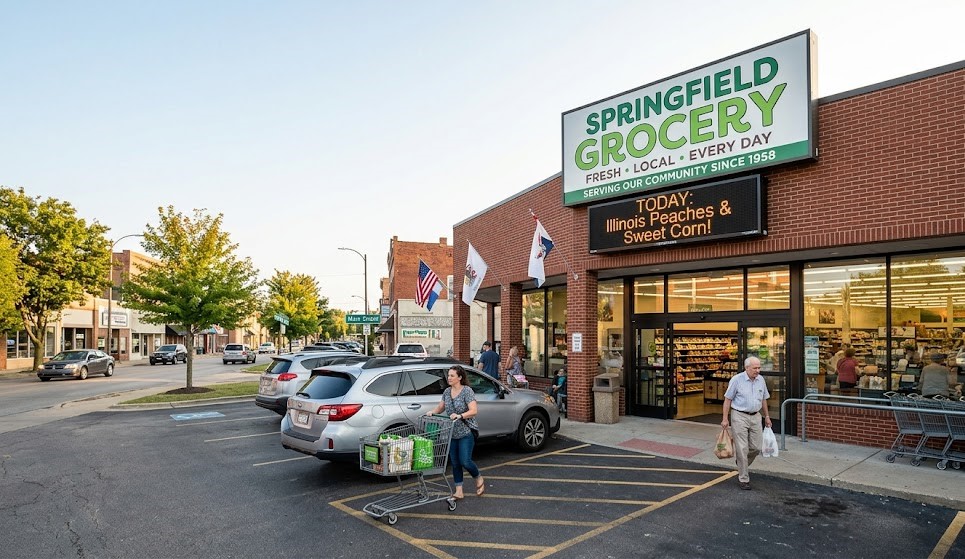 Independent
Retail Grocery Store for Sale – Springfield
Springfield, Illinois
Senior Care in Springfield
67 assisted living, nursing & memory care facilities in Springfield.
 Senior Care
Cox Senior Advantage
Springfield, MO
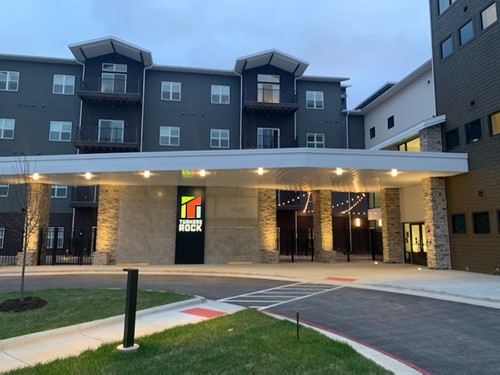 Senior Care
Turners Rock
Springfield, MO
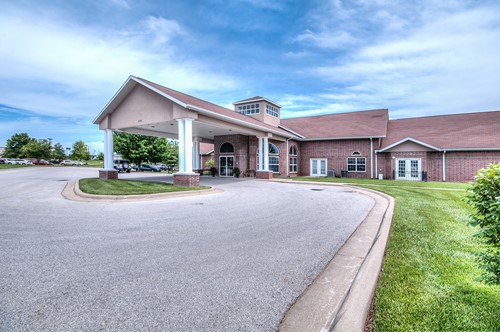 Assisted Living
The Bungalows at Springfield East
Springfield, MO
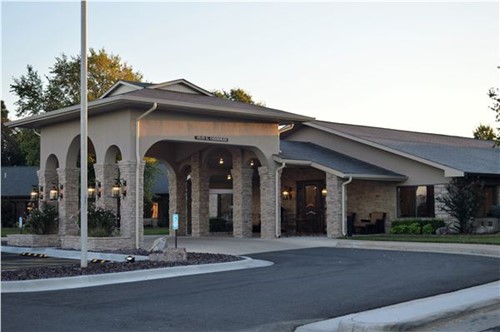 Assisted Living
Glendale Gardens Nursing & Rehab
Springfield, MO
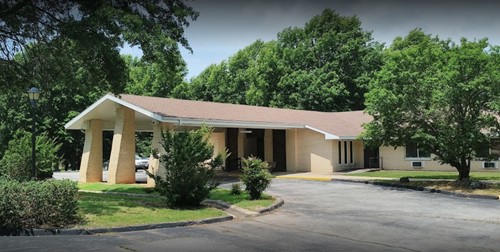 Assisted Living
Woodland Manor
Springfield, MO
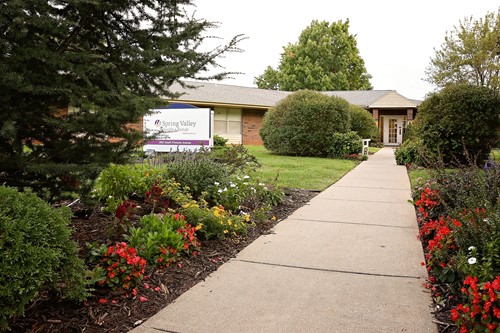 Assisted Living
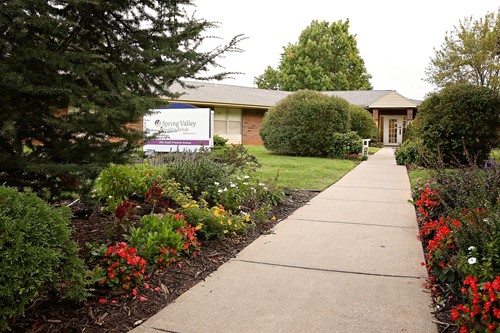
Spring Valley Assisted Living Facility
Springfield, MO
 Assisted Living
Spring Valley Health & Rehabilitation Center
Springfield, MO
 Assisted Living
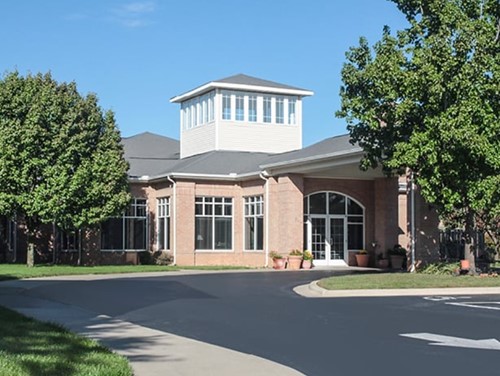
Sunterra Springs Springfield
Springfield, MO
 Senior Care
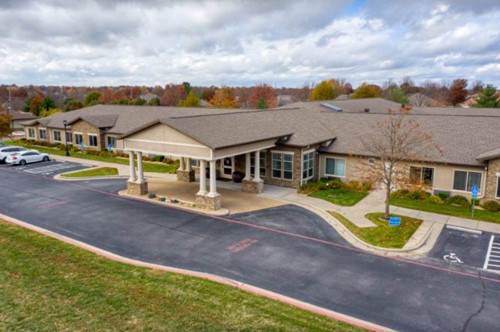
The Waterford at Ironbridge
Springfield, MO
 Assisted Living
Cedarhurst of Springfield, MO
Springfield, MO
 Assisted Living
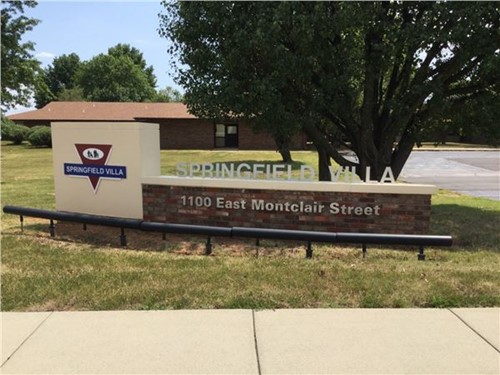
Springfield Villa
Springfield, MO
 Senior Care
The Montclair
Springfield, MO
City Guide
Explore Springfield
Free Quotes
Get quotes from local pros in Springfield
Tell us what you need and we’ll pass it to companies that serve your area. It’s free, and there’s no obligation.

Compare Springfield with any city
See how it stacks up on cost, income, and quality of life.
Start Comparing