



City Profile
Elizabeth, New Jersey
USA · Comprehensive city data and intelligence
Elizabeth, New Jersey, serves as one of the state's most historic and dynamic urban centers, originally founded in 1664 and named after the wife of Sir George Carteret. As the county seat of Union County, it combines a rich colonial heritage with a bustling modern identity driven by its strategic location near Newark Liberty International Airport and major marine terminals. People are drawn to Elizabeth for its exceptional proximity to New York City, robust transit connectivity, and vibrant multicultural community that welcomes newcomers from across the globe.
New Jersey, known as the "Garden State," offers a diverse character ranging from dense urban areas to charming suburban towns and rural landscapes. Its robust economy, with a GDP of over $815 billion, is driven by major industries such as pharmaceuticals and life sciences, financial services, technology, advanced manufacturing, and transportation and logistics. Living in New Jersey is generally more expensive than the national average, with housing costs being a primary factor. The state experiences a humid subtropical climate across most of its area, characterized by warm, humid summers and moderately cold, occasionally snowy winters, with distinct seasonal changes. Residents enjoy a lifestyle that balances proximity to major metropolitan areas like New York City and Philadelphia with access to beaches, mountains, and various recreational opportunities.
How this 55/100 was calculated five components, with every reading behind them
| Component | Readings used | Points | Weight | Contributes |
|---|---|---|---|---|
| Safety | Safety score: 68 / 100 | 68.0 | 30% | 20.4 |
| Affordability | Cost of living index (100 = national baseline): 105.0 | 37.5 | 25% | 9.4 |
| Economy & jobs | Median household income: $66,555 Income needed to live here: $55,000 Unemployment rate: 6.1% | 50.0 | 20% | 10.0 |
| Growth | Population growth rate: 0.87% Job growth rate: 1.9% | 52.4 | 15% | 7.9 |
| Business climate assessment | Business climate assessment: 69 / 100 | 69.0 | 10% | 6.9 |
| Overall score | 54.5 | |||
Provenance.
These figures were produced by the research pass recorded as
Gemini (Tier 2 (reasoned), q=71), last refreshed
11 October 2026.
They are researched estimates drawn from public sources, not a licensed data feed.
Each component is scored against fixed published endpoints, so this number is comparable with any other city and does not move as the dataset grows. Scoring framework 2026.10 — full methodology, weights and accepted ranges.

Featured Events
Happening in Elizabeth
Featured and sponsored events in Elizabeth.
Local Directory
Businesses in Elizabeth
Featured local businesses in Elizabeth.

Performance
Quality Scores
Expenses
Cost of Living
The cost of living in Elizabeth sits slightly above the national average, heavily influenced by its position within the high-cost New York metropolitan area. While everyday goods and services remain relatively aligned with regional standards, housing costs and local taxes represent the largest share of household expenditures. Proximity to major economic hubs and transit corridors helps offset some of these expenses by providing abundant employment opportunities within a short commute.
Income
Salary Insights
Elizabeth boasts a dynamic economy anchored by transportation, logistics, wholesale trade, and healthcare, capitalizing on its proximity to major ports and international shipping lanes. Major employers span warehousing operations, aviation support services tied to Newark Liberty, and local healthcare networks that offer steady employment opportunities. The city's entrepreneurial landscape is expanding, supported by commercial corridors and revitalization initiatives that encourage small business growth and retail development.
The average salary in Elizabeth is $65,000 per year. You would need approximately $55,000 to live comfortably.
Employment
Top Industries
Weather
Climate
Mobility
Transport
Elizabeth is a premier transit hub featuring extensive rail service via NJ Transit, multiple bus lines, and immediate access to major highways like the New Jersey Turnpike and Routes 1 and 9. The city's walkable downtown districts and dense transit infrastructure make it convenient for residents to navigate without an automobile, though car ownership remains common for regional travel. Average commute times align closely with regional averages, typically running around 27 minutes.

At a Glance
Pros & Cons
Advantages
Drawbacks
Head to Head
Compare Elizabeth
Community Q&A
Questions about Elizabeth
What people ask about living in and moving to Elizabeth, New Jersey.
FAQ
Frequently Asked Questions
Senior Care in Elizabeth
8 assisted living, nursing & memory care facilities in Elizabeth.
 Senior Care
Adult Alternative Home Care
Elizabeth, NJ
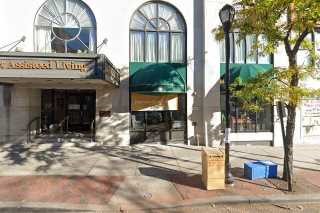 Assisted Living
Amber Court of Elizabeth
Elizabeth, NJ
Plaza Healthcare & Rehabilitation Center
Elizabeth, NJ
Elizabeth Nursing And Rehab
Elizabeth, NJ
Elmora Hills Health & Rehabilitation Center
Elizabeth, NJ
Holy Redeemer Home Care Nj North
Elizabeth, NJ
Confident Care Corporation - Elizabeth
Elizabeth, NJ
Trinitas Hospital
Elizabeth, NJ
Free Quotes
Get quotes from local pros in Elizabeth
Tell us what you need and we’ll pass it to companies that serve your area. It’s free, and there’s no obligation.

Compare Elizabeth with any city
See how it stacks up on cost, income, and quality of life.
Start Comparing