



City Profile
Paterson, New Jersey
USA · Comprehensive city data and intelligence
Paterson, New Jersey, famously known as 'The Silk City', is a historic manufacturing powerhouse established in the late 18th century through the visionary efforts of Alexander Hamilton and the Society for Establishing Useful Manufactures. Centered around the majestic Paterson Great Falls on the Passaic River, the city grew into a critical industrial hub for silk production and textile manufacturing in the United States. Today, Paterson stands as the third-most-populous municipality in New Jersey, celebrated for its remarkable cultural diversity, rich immigrant history, and urban vibrancy. People are drawn to Paterson for its historic charm, relatively accessible housing options compared to immediate New York City locales, and strong sense of community spirit.
New Jersey, known as the "Garden State," offers a diverse character ranging from dense urban areas to charming suburban towns and rural landscapes. Its robust economy, with a GDP of over $815 billion, is driven by major industries such as pharmaceuticals and life sciences, financial services, technology, advanced manufacturing, and transportation and logistics. Living in New Jersey is generally more expensive than the national average, with housing costs being a primary factor. The state experiences a humid subtropical climate across most of its area, characterized by warm, humid summers and moderately cold, occasionally snowy winters, with distinct seasonal changes. Residents enjoy a lifestyle that balances proximity to major metropolitan areas like New York City and Philadelphia with access to beaches, mountains, and various recreational opportunities.
How this 45/100 was calculated five components, with every reading behind them
| Component | Readings used | Points | Weight | Contributes |
|---|---|---|---|---|
| Safety | Safety score: 62 / 100 | 62.0 | 30% | 18.6 |
| Affordability | Cost of living index (100 = national baseline): 112.0 | 28.8 | 25% | 7.2 |
| Economy & jobs | Median household income: $60,703 Income needed to live here: $60,000 Unemployment rate: 7.6% | 28.2 | 20% | 5.6 |
| Growth | Population growth rate: 0.38% Job growth rate: 1.8% | 45.3 | 15% | 6.8 |
| Business climate assessment | Business climate assessment: 65 / 100 | 65.0 | 10% | 6.5 |
| Overall score | 44.7 | |||
Provenance.
These figures were produced by the research pass recorded as
Gemini (Tier 2 (reasoned), q=70), last refreshed
11 October 2026.
They are researched estimates drawn from public sources, not a licensed data feed.
Each component is scored against fixed published endpoints, so this number is comparable with any other city and does not move as the dataset grows. Scoring framework 2026.10 — full methodology, weights and accepted ranges.

Featured Events
Happening in Paterson
Featured and sponsored events in Paterson.
Local Directory
Businesses in Paterson
Featured local businesses in Paterson.

Performance
Quality Scores
Expenses
Cost of Living
The cost of living in Paterson runs slightly above the national average, heavily influenced by its position within the broader New York-Newark-Jersey City metropolitan area. While everyday expenses like groceries and utilities align fairly closely with regional baselines, housing costs remain the primary driver shaping household budgets. Renters and prospective homeowners find that proximity to Manhattan commands competitive pricing, though Paterson still offers more budget-friendly alternatives than many surrounding Bergen or Essex County suburbs.
Income
Salary Insights
Paterson's job market is deeply rooted in a blend of healthcare, education, retail trade, and light manufacturing, reflecting its evolution from a textile titan to a diverse service-oriented economy. Major local employers include municipal services, regional healthcare providers, and educational institutions, while many residents commute into New York City or neighboring commercial hubs via robust transit links. The entrepreneurial climate is active, with numerous small businesses and independent storefronts fueling commercial corridors like Main Street and Downtown. The remote work scene has also expanded, accommodating professionals seeking urban convenience paired with regional connectivity.
The average salary in Paterson is $65,000 per year. You would need approximately $60,000 to live comfortably.
Employment
Top Industries
Weather
Climate
Mobility
Transport
Getting around Paterson is facilitated by a well-connected network of public transportation options, including NJ Transit bus lines and commuter rail services providing direct access to Secaucus Junction and New York Penn Station. The city features moderate walkability around its downtown core and commercial districts, making daily errands manageable on foot for many residents. Major regional highways, including Interstate 80 and Route 19, cross the area, ensuring convenient travel for motorists despite standard peak-hour traffic.

At a Glance
Pros & Cons
Advantages
Drawbacks
Head to Head
Compare Paterson
Community Q&A
Questions about Paterson
What people ask about living in and moving to Paterson, New Jersey.
FAQ
Frequently Asked Questions
Businesses for Sale in Paterson
Explore active acquisition & franchise opportunities .
Senior Care in Paterson
9 assisted living, nursing & memory care facilities in Paterson.
 Senior Care
2nd Home Adult Medical Day Center
Paterson, NJ
 Senior Care
Doctors Sub Acute Care
Paterson, NJ
 Senior Care
2nd Home Adult Medical Day Center
Paterson, NJ
 Senior Care
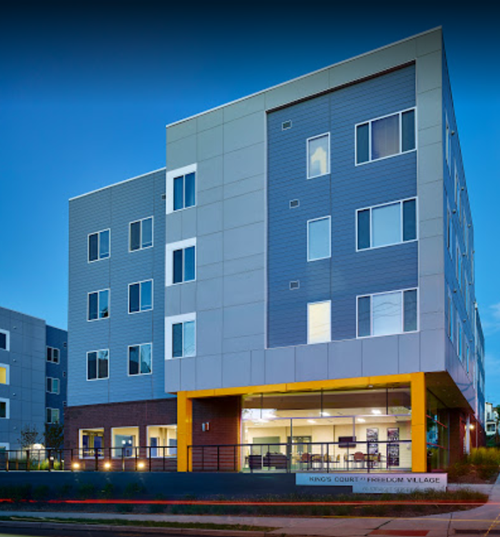
Freedom Village Senior
Paterson, NJ
Doctors Subacute Healthcare, LLC
Paterson, NJ
Hospice Agency Of Nj, Inc
Paterson, NJ
Confident Care Corporation - Paterson
Paterson, NJ
Barnert Subacute Rehabilitation Center, LLC
Paterson, NJ
Complete Care At Fair Lawn Edge
Paterson, NJ
City Guide
Explore Paterson
Free Quotes
Get quotes from local pros in Paterson
Tell us what you need and we’ll pass it to companies that serve your area. It’s free, and there’s no obligation.

Compare Paterson with any city
See how it stacks up on cost, income, and quality of life.
Start Comparing