



City Profile
Albuquerque, New Mexico
USA · Comprehensive city data and intelligence
Albuquerque, New Mexico, often called the 'Duke City,' is a vibrant urban center nestled in the high desert at the foot of the Sandia Mountains. Founded in 1706 as a Spanish colonial outpost, the city boasts a rich blend of Native American, Hispanic, and Anglo cultures, evident in its architecture, cuisine, and arts scene. Its unique geographical setting, with the Rio Grande flowing through its heart and the dramatic Sandia Mountains to the east, offers residents stunning natural beauty and abundant outdoor recreational opportunities. People are drawn to Albuquerque for its relatively affordable cost of living compared to other major U.S. cities, a relaxed pace of life, and a strong sense of community. The city serves as a hub for technology, healthcare, and education in the Southwest, attracting a diverse population seeking a balance between urban amenities and access to nature.
New Mexico, known as "the Land of Enchantment," offers a unique blend of Native American, Spanish, and Mexican cultures, reflected in its architecture, cuisine, and traditions. The state's economy is driven by diverse sectors including energy (oil, gas, and renewables), aerospace and defense, food processing, agriculture, and a significant tourism industry. Living in New Mexico generally offers a lower cost of living compared to the national average, with housing and utilities often more affordable. The climate is largely arid and sunny, with diverse landscapes ranging from deserts to alpine forests, providing for warm to hot summers and cold winters, and a relaxed, outdoor-oriented lifestyle.
How this 48/100 was calculated five components, with every reading behind them
| Component | Readings used | Points | Weight | Contributes |
|---|---|---|---|---|
| Safety | Safety score: 35 / 100 | 35.0 | 30% | 10.5 |
| Affordability | Cost of living index (100 = national baseline): 97.0 | 47.5 | 25% | 11.9 |
| Economy & jobs | Median household income: $71,494 Income needed to live here: $69,443 Unemployment rate: 4.2% | 50.6 | 20% | 10.1 |
| Growth | No usable reading — dataset average used | 56.4 | 15% | 8.5 |
| Business climate assessment | Business climate assessment: 68 / 100 | 68.0 | 10% | 6.8 |
| Overall score | 47.8 | |||
Provenance.
These figures were produced by the research pass recorded as
Gemini (Tier 2 (reasoned), q=93 ✓ perfect), last refreshed
3 July 2026.
They are researched estimates drawn from public sources, not a licensed data feed.
Each component is scored against fixed published endpoints, so this number is comparable with any other city and does not move as the dataset grows. Scoring framework 2026.10 — full methodology, weights and accepted ranges.

Featured Events
Happening in Albuquerque
Featured and sponsored events in Albuquerque.
Local Directory
Businesses in Albuquerque
Featured local businesses in Albuquerque.

Performance
Quality Scores
Expenses
Cost of Living
The cost of living in Albuquerque is generally more affordable than the national average, with a cost of living index of 97, meaning it is 3% less expensive than the U.S. average. Housing expenses are a significant factor in this affordability, being approximately 9% lower than the national average. Utilities also contribute to the lower overall cost, with monthly expenses for energy, water, sewer, and trash averaging around $194.78. While groceries are roughly 2% cheaper than the national average, transportation costs are also lower, making daily expenses more manageable for residents.
Income
Salary Insights
Albuquerque's economy is diverse, with key industries including Health Care and Social Services, Retail, Professional, Scientific, and Technical Services, and Accommodation and Food Services. The average annual salary in Albuquerque was reported to be $77,000 as of May 2026. Major employers and growth sectors are often tied to the city's research and development capabilities, particularly in areas like aerospace and defense, supported by institutions such as Sandia National Laboratories and Kirtland Air Force Base. The job market also benefits from a growing film and television industry. While specific job growth rates were not available, the city's economic resilience is supported by its varied industrial base. The remote work scene is growing, aligning with national trends, offering flexibility for many professionals.
The average salary in Albuquerque is $77,000 per year. You would need approximately $69,443 to live comfortably.
Employment
Top Industries
Weather
Climate
Mobility
Transport
Getting around Albuquerque primarily relies on personal vehicles, as indicated by its walkability score of 43, suggesting that most errands require a car. The average commute time for residents is 24.8 minutes. Public transportation is available through ABQ RIDE, which operates bus services across the city. While some neighborhoods like Nob Hill and Huning Highland Historic District are highly walkable, with scores in the mid-80s, the city as a whole is more car-dependent. The average car ownership in Albuquerque is approximately two cars per household.

At a Glance
Pros & Cons
Advantages
Drawbacks
Head to Head
Compare Albuquerque
Community Q&A
Questions about Albuquerque
What people ask about living in and moving to Albuquerque, New Mexico.
What is the climate like year‑round in Albuquerque?
Albuquerque has a high‑desert climate with four distinct seasons. Summers are hot and dry, often reaching the mid‑90s °F, while winters are cool with occasional snowfall and daytime highs in the 40s–50s °F. Spring and fall are mild, featuring pleasant temperatures and low humidity. Because of the elevation, evenings can be significantly cooler than daytime highs, so layering is advisable. For precise monthly averages...
How do public schools in Albuquerque rank academically?
Public schools in Albuquerque are administered by the local school district, which publishes performance metrics such as test scores and graduation rates on its website. Overall, the district offers a mix of schools that range from high‑performing magnet programs to schools that are working to improve outcomes. Parents often look at school report cards, attendance data, and extracurricular offerings to decide. To get...
Where can I find quality medical care in Albuquerque?
Albuquerque hosts several major hospitals and a network of community health centers that provide a full range of services, from emergency care to specialty clinics. The city’s health department website lists licensed providers, and you can search for primary‑care physicians through state medical board directories. For hospital rankings and patient satisfaction scores, consult national health rating sites or the state...
Is Albuquerque a safe place to live?
Albuquerque’s safety score is 35 out of 100, indicating higher crime levels compared to many U.S. cities. Crime can vary widely by neighborhood, with some areas experiencing lower rates of violent and property crimes than others. Prospective residents should review the city’s public safety reports, which break down incidents by district, and consider using crime‑mapping tools that provide visual data. Talking to loca...
What are the top outdoor activities in Albuquerque?
Albuquerque sits at the foothills of the Sandia Mountains, offering extensive trail systems for hiking, mountain biking, and trail running. The city also maintains a network of parks and riverwalks that are popular for walking, kayaking, and picnicking. In the winter, nearby ski resorts provide snow sports. For detailed trail maps, check the city parks department’s website or regional outdoor recreation guides, which...
What should I know about utilities and services when moving to Albuquerque?
When you move into an Albuquerque residence, you’ll need to set up electricity, natural gas, water, internet, and trash collection. The city’s utility providers offer online enrollment portals where you can schedule service start dates. Some apartments include water and trash in the rent, so review your lease carefully. For internet and cable, compare major providers’ coverage maps and promotional rates. It’s also a...
How does the cost of living in Albuquerque compare to the U.S. average?
Albuquerque’s cost‑of‑living index is 97, which means it is slightly below the national average of 100. Everyday expenses such as groceries, utilities, and transportation tend to be a bit cheaper than in many larger U.S. cities. The average salary in the area is about $77,000 per year, giving residents a modest purchasing power advantage when combined with the lower index. To get a personalized picture, you can use o...
What is the typical rent for a one‑bedroom apartment in Albuquerque?
The average rent across Albuquerque is $1,178 per month, which includes a range of unit sizes and neighborhoods. One‑bedroom apartments in central areas often sit near that average, though prices can be higher in the most sought‑after districts and lower in outlying suburbs. When budgeting, also factor in utilities, parking fees, and any pet deposits. To find current listings, browse regional rental websites, consult...
What industries are strongest in Albuquerque for job seekers?
Albuquerque’s economy is anchored by government, aerospace, technology, and healthcare sectors. The presence of federal research labs and a growing tech startup scene creates demand for software developers, data analysts, and IT support staff. Additionally, the city’s aerospace and defense firms often hire engineers and project managers. For the most current job openings, check the city’s labor market reports, use st...
What public transportation options are available in Albuquerque?
Albuquerque’s public transit authority operates a bus network that covers most of the city and surrounding suburbs, with routes connecting residential areas to major employment centers, hospitals, and universities. There are also commuter‑rail services that link the city to nearby towns. For real‑time schedules, fare information, and route maps, visit the transit authority’s website or use regional transit apps. Many...
Some answers here were drafted as a starting point and may be out of date. Live in Albuquerque? Add your own.
FAQ
Frequently Asked Questions
Businesses for Sale in Albuquerque
Explore active acquisition & franchise opportunities .
Senior Care in Albuquerque
245 assisted living, nursing & memory care facilities in Albuquerque.
 Senior Care
A Better Way
Albuquerque, NM
 Senior Care
Skies Healthcare and Rehabilitation Center
Albuquerque, NM
 Senior Care
Comfort Keepers Greater Albuquerque
Albuquerque, NM
 Senior Care
Advanced Home Health and Hospice of New Mexico
Albuquerque, NM
 Senior Care
Albuquerque Heights Healthcare and Rehabilitation Center
Albuquerque, NM
 Senior Care
Cornucopia Adult & Family Services
Albuquerque, NM
 Senior Care
Ativo Senior Living of Albuquerque
Albuquerque, NM
 Senior Care
Albuquerque Grand Senior Living
Albuquerque, NM
 Senior Care
Amaran Senior Living
Albuquerque, NM
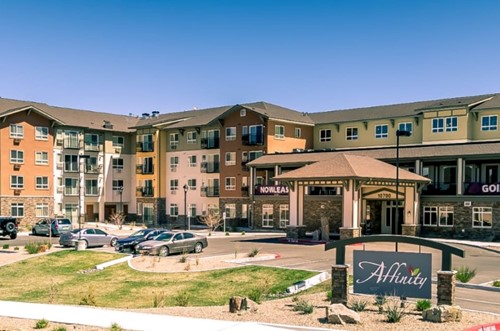 Assisted Living
Affinity at Albuquerque
Albuquerque, NM
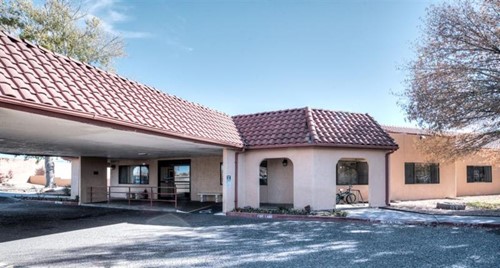 Assisted Living
Skies Healthcare & Rehabilitation Center
Albuquerque, NM
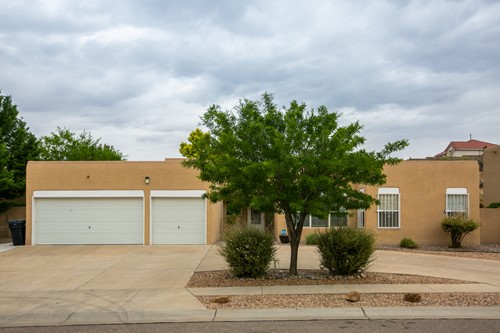 Assisted Living
Haven Care - Fir House
Albuquerque, NM
City Guide
Explore Albuquerque
Free Quotes
Get quotes from local pros in Albuquerque
Tell us what you need and we’ll pass it to companies that serve your area. It’s free, and there’s no obligation.

Compare Albuquerque with any city
See how it stacks up on cost, income, and quality of life.
Start Comparing