



City Profile
Midwest City, Oklahoma
USA · Comprehensive city data and intelligence
Midwest City, Oklahoma, founded in 1942 during World War II alongside the nearby Tinker Air Force Base, is a vibrant community with a rich military heritage and strong civic pride. Located in Oklahoma County just east of Oklahoma City, the city was built specifically to house military personnel and defense workers, quickly evolving into a major suburban hub. Today, it balances a tight-knit, welcoming small-town atmosphere with the modern conveniences of a larger metropolitan area, making it a popular destination for families, veterans, and defense contractors looking for stability and community connection.
Oklahoma, located in the South Central United States, is characterized by diverse landscapes ranging from plains to mountains and a rich Native American heritage. The state's economy has historically relied on oil and gas production and agriculture, though it has diversified to include aerospace, telecommunications, energy, and manufacturing. Living in Oklahoma generally offers a lower cost of living compared to the national average. The climate features hot summers and mild winters, with a propensity for severe weather, including tornadoes. The lifestyle is often described as hospitable and friendly, with a blend of cultural history and outdoor activities.
How this 63/100 was calculated five components, with every reading behind them
| Component | Readings used | Points | Weight | Contributes |
|---|---|---|---|---|
| Safety | Safety score: 68 / 100 | 68.0 | 30% | 20.4 |
| Affordability | Cost of living index (100 = national baseline): 85.0 | 62.5 | 25% | 15.6 |
| Economy & jobs | Median household income: $57,520 Income needed to live here: $45,000 Unemployment rate: 4.4% | 64.9 | 20% | 13.0 |
| Growth | Population growth rate: 0.4% Job growth rate: 1.8% | 45.5 | 15% | 6.8 |
| Business climate assessment | Business climate assessment: 68 / 100 | 68.0 | 10% | 6.8 |
| Overall score | 62.6 | |||
Provenance.
These figures were produced by the research pass recorded as
Tier 3 (deep think) (q=64, partial — below threshold), last refreshed
11 October 2026.
They are researched estimates drawn from public sources, not a licensed data feed.
Each component is scored against fixed published endpoints, so this number is comparable with any other city and does not move as the dataset grows. Scoring framework 2026.10 — full methodology, weights and accepted ranges.

Featured Events
Happening in Midwest City
Featured and sponsored events in Midwest City.
Local Directory
Businesses in Midwest City
Featured local businesses in Midwest City.

Performance
Quality Scores
Expenses
Cost of Living
The cost of living in Midwest City is notably lower than the national average, making it an attractive option for budget-conscious families and retirees. Housing expenses, grocery prices, and utility costs run well below standard national figures, allowing residents to stretch their earnings further. While transportation and healthcare costs hover near typical state baselines, the overall affordability index enables a comfortable lifestyle without the intense financial pressures found in coastal metropolitan regions.
Income
Salary Insights
Midwest City's economy is heavily anchored by Tinker Air Force Base, which serves as the largest employer in the region and drives a robust aerospace, defense, and engineering job market. Beyond defense contracting, the local economy benefits from strong retail, healthcare, and public education sectors that provide steady employment opportunities. The proximity to the greater Oklahoma City metro area also opens up remote work and commuter possibilities, supported by a growing entrepreneurial spirit and stable local business growth.
The average salary in Midwest City is $57,520 per year. You would need approximately $45,000 to live comfortably.
Employment
Top Industries
Weather
Climate
Mobility
Transport
Transportation in Midwest City is heavily automobile-centric, with major thoroughfares like Interstate 40 and SE 29th Street providing seamless connectivity to the wider metropolitan area. While public transit options are limited primarily to localized bus routes, driving remains the preferred and most efficient mode of commuting. Average commute times are relatively short compared to major national hubs, reducing daily transit friction for local workers.

At a Glance
Pros & Cons
Advantages
Drawbacks
Head to Head
Compare Midwest City
Community Q&A
Questions about Midwest City
What people ask about living in and moving to Midwest City, Oklahoma.
FAQ
Frequently Asked Questions
Senior Care in Midwest City
16 assisted living, nursing & memory care facilities in Midwest City.
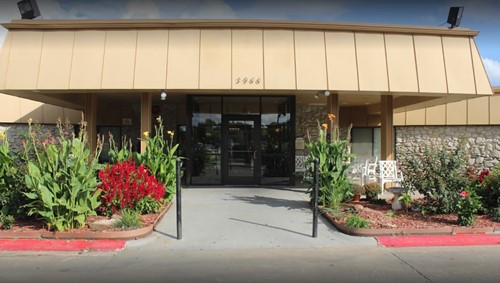 Assisted Living
Emerald Care Center Midwest
Midwest City, OK
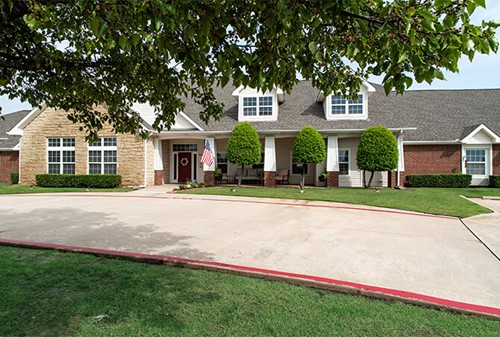 Assisted Living
Blue Ridge Place
Midwest City, OK
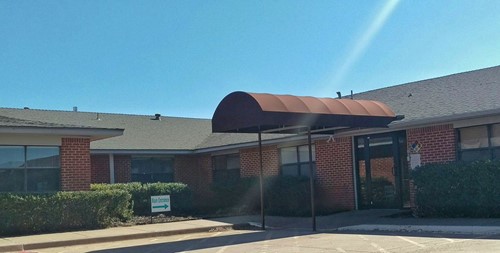 Assisted Living
Cross Timbers Nursing And Rehabilitation
Midwest City, OK
Assisted Living
Emerald Care Center Midwest
Midwest City, OK
Assisted Living
Blue Ridge Place
Midwest City, OK
Assisted Living
Cross Timbers Nursing And Rehabilitation
Midwest City, OK
FountainBrook Assisted Living & Memory Support
Midwest City, OK
Sienna Extended Care & Rehab
Midwest City, OK
Progressive Home Health Inc.
Midwest City, OK
Landmark Of Midwest City Rehabilitation And Nursin
Midwest City, OK
All About Caring Home Health Care, LLC
Midwest City, OK
FountainBrook Assisted Living & Memory Support
Midwest City, OK
Free Quotes
Get quotes from local pros in Midwest City
Tell us what you need and we’ll pass it to companies that serve your area. It’s free, and there’s no obligation.

Compare Midwest City with any city
See how it stacks up on cost, income, and quality of life.
Start Comparing