



City Profile
Oklahoma City, Oklahoma
USA · Comprehensive city data and intelligence
Oklahoma City serves as the vibrant capital and largest municipality of Oklahoma, blending rich frontier heritage with modern economic revitalization. Founded during the Land Run of 1889, the city has evolved from a tent settlement into a major metropolitan hub driven by energy, aerospace, and logistics. Today, neighborhoods like Deep Deuce, the Paseo Arts District, and the Plaza District offer thriving cultural scenes, local dining, and creative communities. People increasingly move to Oklahoma City for its robust job market, friendly midwestern-southern hospitality, and exceptionally manageable cost of living relative to coastal metros.
Oklahoma, located in the South Central United States, is characterized by diverse landscapes ranging from plains to mountains and a rich Native American heritage. The state's economy has historically relied on oil and gas production and agriculture, though it has diversified to include aerospace, telecommunications, energy, and manufacturing. Living in Oklahoma generally offers a lower cost of living compared to the national average. The climate features hot summers and mild winters, with a propensity for severe weather, including tornadoes. The lifestyle is often described as hospitable and friendly, with a blend of cultural history and outdoor activities.
How this 66/100 was calculated five components, with every reading behind them
| Component | Readings used | Points | Weight | Contributes |
|---|---|---|---|---|
| Safety | Safety score: 65 / 100 | 65.0 | 30% | 19.5 |
| Affordability | Cost of living index (100 = national baseline): 88.0 | 58.8 | 25% | 14.7 |
| Economy & jobs | Median household income: $65,300 Income needed to live here: $48,000 Unemployment rate: 3.4% | 76.3 | 20% | 15.3 |
| Growth | Population growth rate: 1.4% Job growth rate: 2.4% | 64.0 | 15% | 9.6 |
| Business climate assessment | Business climate assessment: 74 / 100 | 74.0 | 10% | 7.4 |
| Overall score | 66.4 | |||
Provenance.
These figures were produced by the research pass recorded as
Tier 1 (fast) (q=52, partial — below threshold), last refreshed
17 October 2026.
They are researched estimates drawn from public sources, not a licensed data feed.
Each component is scored against fixed published endpoints, so this number is comparable with any other city and does not move as the dataset grows. Scoring framework 2026.10 — full methodology, weights and accepted ranges.

Featured Events
Happening in Oklahoma City
Featured and sponsored events in Oklahoma City.
Local Directory
Businesses in Oklahoma City
Featured local businesses in Oklahoma City.

Performance
Quality Scores
Expenses
Cost of Living
The cost of living in Oklahoma City sits comfortably below the national average, making it an attractive destination for families, young professionals, and retirees alike. Housing expenses, including both renting and purchasing real estate, are significantly more affordable than the US average, allowing residents to secure more space for their money. Everyday expenses such as groceries, utilities, and transportation also trend lower, contributing to an overall high standard of living without the financial strain common in major coastal cities.
Income
Salary Insights
Oklahoma City boasts a diverse and resilient economy anchored by traditional energy sectors alongside rapidly expanding aerospace, healthcare, and technology industries. Major employers include Tinker Air Force Base, Devon Energy, OU Health, and major hospital systems, providing a stable foundation for professional growth. The city has also cultivated a supportive environment for entrepreneurs and small businesses, resulting in steady job creation and favorable employment metrics. Remote workers frequently choose Oklahoma City to take advantage of affordable housing while earning competitive regional or national wages.
The average salary in Oklahoma City is $62,000 per year. You would need approximately $48,000 to live comfortably.
Employment
Top Industries
Weather
Climate
Mobility
Transport
Oklahoma City is primarily a car-dependent metropolis, featuring an expansive highway and grid system that allows for manageable commutes compared to larger US cities. The EMBARK transit system provides bus services and the modern OKC Streetcar, connecting downtown, Midtown, and Bricktown for commuters and visitors. While public transit continues to expand, most residents rely on personal vehicles, benefiting from ample parking and generally low traffic congestion indices.

At a Glance
Pros & Cons
Advantages
Drawbacks
Head to Head
Compare Oklahoma City
Community Q&A
Questions about Oklahoma City
What people ask about living in and moving to Oklahoma City, Oklahoma.
FAQ
Frequently Asked Questions
Businesses for Sale in Oklahoma City
Explore active acquisition & franchise opportunities .
Senior Care in Oklahoma City
294 assisted living, nursing & memory care facilities in Oklahoma City.
 Senior Care
OU nursing Life Stage Solutions
Oklahoma City, OK
 Senior Care
Brookwood Skilled Nursing & Therapy
Oklahoma City, OK
 Senior Care
Brookdale Senior Living
Oklahoma City, OK
 Senior Care
Russell Murray Hospice
Oklahoma City, OK
 Senior Care
CARE Oklahoma
Oklahoma City, OK
 Senior Care
Agency On Aging
Oklahoma City, OK
 Assisted Living
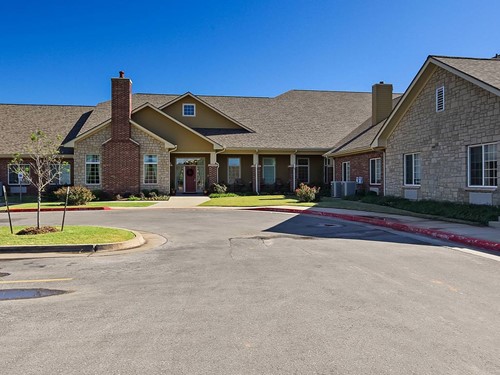
Legend at Council Road
Oklahoma City, OK
 Assisted Living
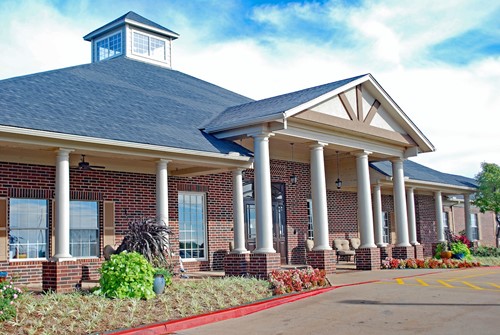
Villagio of Oklahoma City
Oklahoma City, OK
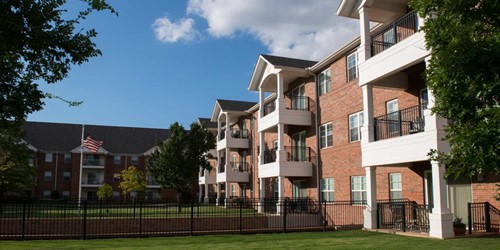 Senior Care
Independent Living at Epworth Villa
Oklahoma City, OK
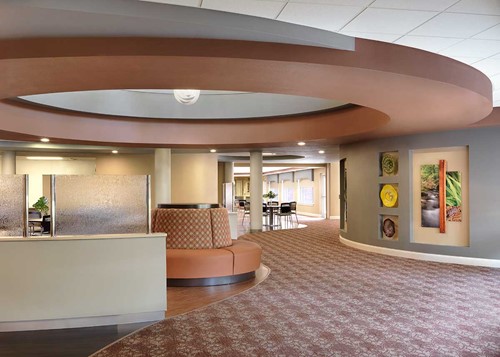 Assisted Living
 at Epworth Villa
Oklahoma City, OK
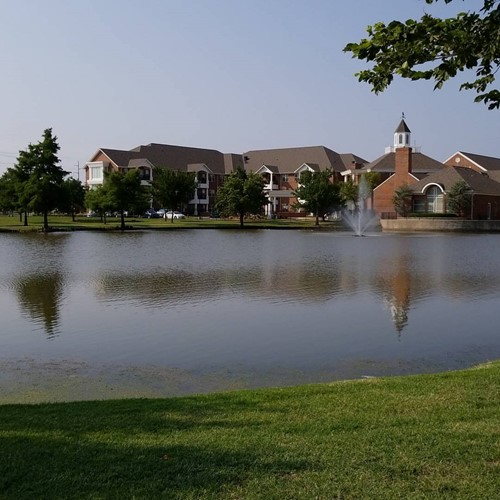 Assisted Living
Epworth Villa Health Services
Oklahoma City, OK
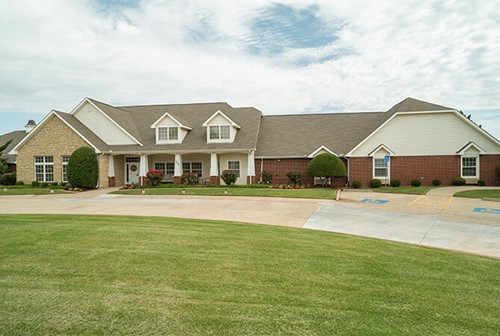 Assisted Living
Northhaven Place
Oklahoma City, OK
City Guide
Explore Oklahoma City
Free Quotes
Get quotes from local pros in Oklahoma City
Tell us what you need and we’ll pass it to companies that serve your area. It’s free, and there’s no obligation.

Compare Oklahoma City with any city
See how it stacks up on cost, income, and quality of life.
Start Comparing