



City Profile
Corvallis, Oregon
USA · Comprehensive city data and intelligence
Corvallis, Oregon, is a vibrant university town nestled in the heart of the Willamette Valley, serving as the county seat of Benton County. Founded in the mid-19th century along the banks of the Willamette River, the city carries a rich history intertwined with agriculture, timber, and higher education. Today, it is globally recognized as the home of Oregon State University, which shapes its progressive character, highly educated population, and youthful, energetic atmosphere. People are drawn to Corvallis for its unique combination of small-town charm, intellectual vibrancy, and exceptional access to pristine natural landscapes.
Oregon, a state in the Pacific Northwest, is characterized by diverse landscapes ranging from the Pacific coastline to mountains and high desert. Its economy has transitioned from a natural resource base of timber, fishing, and agriculture to a mix of manufacturing, services, and high technology, with key sectors including computer and electronic products, transportation equipment, and machinery. The cost of living in Oregon is generally higher than the national average, particularly for housing. Western Oregon experiences a warm-summer Mediterranean climate with wet winters and dry summers, while Eastern Oregon has a colder, semi-arid climate with hotter summers and colder winters. The lifestyle often emphasizes outdoor recreation and environmental consciousness.
How this 56/100 was calculated five components, with every reading behind them
| Component | Readings used | Points | Weight | Contributes |
|---|---|---|---|---|
| Safety | Safety score: 82 / 100 | 82.0 | 30% | 24.6 |
| Affordability | Cost of living index (100 = national baseline): 112.0 | 28.8 | 25% | 7.2 |
| Economy & jobs | Median household income: $65,012 Income needed to live here: $62,000 Unemployment rate: 4.5% | 49.9 | 20% | 10.0 |
| Growth | Population growth rate: 0.7% Job growth rate: 1.5% | 46.3 | 15% | 6.9 |
| Business climate assessment | Business climate assessment: 72 / 100 | 72.0 | 10% | 7.2 |
| Overall score | 55.9 | |||
Provenance.
These figures were produced by the research pass recorded as
Gemini (Tier 1 (fast), q=72), last refreshed
17 October 2026.
They are researched estimates drawn from public sources, not a licensed data feed.
Each component is scored against fixed published endpoints, so this number is comparable with any other city and does not move as the dataset grows. Scoring framework 2026.10 — full methodology, weights and accepted ranges.

Featured Events
Happening in Corvallis
Featured and sponsored events in Corvallis.
Local Directory
Businesses in Corvallis
Featured local businesses in Corvallis.

Performance
Quality Scores
Expenses
Cost of Living
The cost of living in Corvallis is moderately higher than the national average, heavily influenced by housing demand in a desirable, constrained geographic footprint. While everyday expenses like groceries and utilities hover close to typical U.S. benchmarks, housing and rental costs remain elevated due to the continuous influx of students, faculty, and professionals. Local property taxes and regional energy costs are relatively stable, but limited expansion space around the urban growth boundary puts upward pressure on overall living expenses.
Income
Salary Insights
Corvallis boasts a resilient and specialized economy anchored heavily by education, research, and healthcare sectors. Oregon State University is by far the largest employer, driving a robust ecosystem in life sciences, engineering, and forestry technology, complemented by Samaritan Health Services and advanced technology operations. The local professional scene features a strong concentration of remote workers and tech-adjacent startups taking advantage of the area's top-tier fiber infrastructure and educated talent pool. Economic growth remains steady, supported by public sector stability and ongoing innovation in clean tech and agricultural sciences.
The average salary in Corvallis is $74,000 per year. You would need approximately $62,000 to live comfortably.
Employment
Top Industries
Weather
Climate
Mobility
Transport
Getting around Corvallis is exceptionally easy compared to larger metro areas, supported by the city's free-fare public transit system, Corvallis Transit System (CTS). The municipality is nationally celebrated for its bicycle-friendly infrastructure, featuring extensive bike lanes and dedicated boulevards that accommodate a high volume of commuter cyclists. While automobile ownership is common for regional travel, the compact layout ensures that errands and commutes within city limits are remarkably short.

At a Glance
Pros & Cons
Advantages
Drawbacks
Head to Head
Compare Corvallis
Community Q&A
Questions about Corvallis
What people ask about living in and moving to Corvallis, Oregon.
What is the average monthly rent for a one‑bedroom apartment in Corvallis?
The average rent for a one‑bedroom apartment in Corvallis is about $1,858 per month. Prices can vary by neighborhood and building amenities, so check local listings for current rates and compare them to this average.
How does Corvallis' cost of living compare to the national average?
Corvallis has a cost of living index of 112, meaning it is 12% higher than the national average. While housing and groceries are a bit above average, utilities and transportation are close to national levels. With an average salary of $74,000, your budget will be slightly tighter than in a lower‑cost city, but still manageable if you plan for higher rent and moderate dining out.
What kinds of jobs are common in Corvallis?
Corvallis hosts a mix of employment sectors, including education, research, and technology. Many professionals work in research institutions and related support roles. The local economy also offers opportunities in healthcare, retail, and services. For specific openings, consult the city’s job board or regional employment portals.
Is Corvallis a safe place to live?
Corvallis scores 82.0 out of 100 on safety metrics, indicating it is relatively safe compared to many U.S. cities. Neighborhoods vary, so reviewing local crime statistics on the city’s public safety portal can give you a clearer picture of specific areas.
What public transportation options are available in Corvallis?
The city offers a local transit authority that operates bus routes covering residential and commercial districts. Biking is also popular, with dedicated lanes and bike‑sharing programs. For schedules and route maps, check the transit authority’s website or a regional transportation app.
How accessible is healthcare in Corvallis?
Corvallis provides several healthcare facilities, including hospitals, urgent care centers, and specialty clinics. Most services are within a short drive or bus ride. For specific provider information and insurance compatibility, consult the city’s health department or local medical directories.
How are the public schools in Corvallis rated?
Public schools in Corvallis generally receive solid ratings, with many receiving above‑average scores on state assessments. They offer a range of programs, including advanced placement and extracurricular activities. For detailed ratings and school performance data, visit the school district’s official website or state education department resources.
What are the top outdoor activities in Corvallis?
Corvallis is surrounded by scenic parks, river trails, and nearby forested areas that offer hiking, biking, and kayaking. Seasonal events such as farmers markets and outdoor festivals are common. Check the city’s recreation department listings for trail maps and event calendars.
What should I know about moving into Corvallis?
Plan for a higher rent cost and a slightly higher cost of living. Arrange utilities, internet, and local services early. Familiarize yourself with local ordinances and waste collection schedules. It’s helpful to connect with a local real‑estate agent or community forum for neighborhood insights.
What is the overall vibe of Corvallis for new residents?
Corvallis is known for its friendly, academic atmosphere and community engagement. Residents often participate in local events, volunteer programs, and neighborhood gatherings. The city’s cultural scene includes art galleries, live music, and theater, fostering a welcoming environment for newcomers.
Some answers here were drafted as a starting point and may be out of date. Live in Corvallis? Add your own.
FAQ
Frequently Asked Questions
Senior Care in Corvallis
18 assisted living, nursing & memory care facilities in Corvallis.
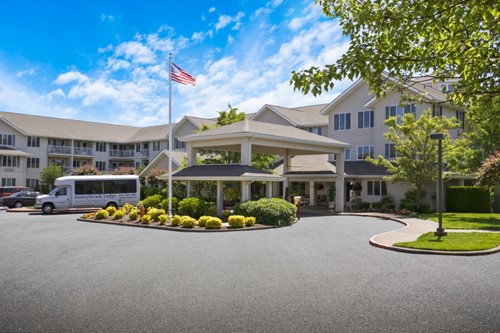 Senior Care
Stoneybrook Lodge
Corvallis, OR
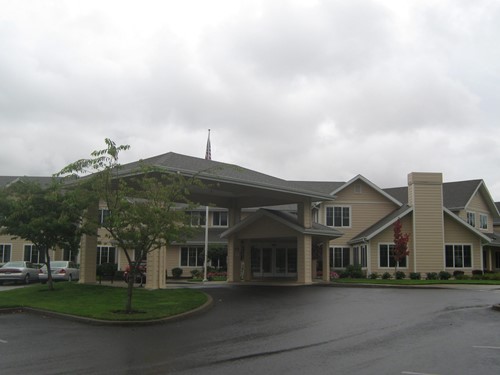 Assisted Living
Stoneybrook Senior Living
Corvallis, OR
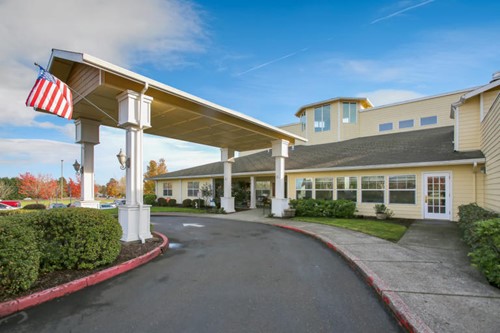 Assisted Living
Prestige Senior Living West Hills
Corvallis, OR
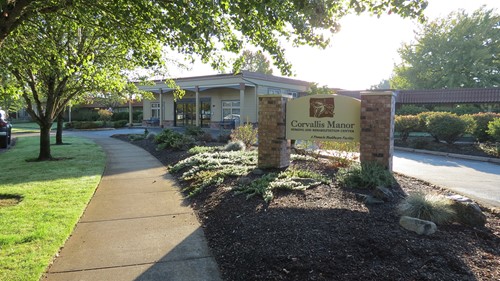 Assisted Living
Corvallis Manor
Corvallis, OR
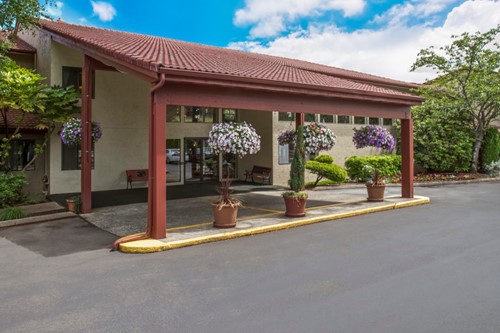 Senior Care
The Regent
Corvallis, OR
Senior Care
Stoneybrook Lodge
Corvallis, OR
Assisted Living
Stoneybrook Senior Living
Corvallis, OR
Assisted Living
Prestige Senior Living West Hills
Corvallis, OR
Assisted Living
Corvallis Manor
Corvallis, OR
Senior Care
The Regent
Corvallis, OR
Stoneybrook Assisted Living
Corvallis, OR
Amicare
Corvallis, OR
Free Quotes
Get quotes from local pros in Corvallis
Tell us what you need and we’ll pass it to companies that serve your area. It’s free, and there’s no obligation.

Compare Corvallis with any city
See how it stacks up on cost, income, and quality of life.
Start Comparing