



City Profile
Hillsboro, Oregon
USA · Comprehensive city data and intelligence
Hillsboro, Oregon, located in the heart of Washington County within the Portland metropolitan area, seamlessly blends a rich agricultural heritage with its modern identity as the high-tech capital of Oregon. Originally founded in 1842 and named after David Hill, a prominent early pioneer and legislator, the city has evolved from a quiet farming community into a bustling urban center. Today, Hillsboro is widely recognized as the epicenter of the state's semiconductor and technology industries, often referred to as the 'Silicon Forest.' Despite rapid technological and residential expansion, the city maintains a strong sense of community, evident in its vibrant historic downtown, excellent public parks, and community-focused events.
Oregon, a state in the Pacific Northwest, is characterized by diverse landscapes ranging from the Pacific coastline to mountains and high desert. Its economy has transitioned from a natural resource base of timber, fishing, and agriculture to a mix of manufacturing, services, and high technology, with key sectors including computer and electronic products, transportation equipment, and machinery. The cost of living in Oregon is generally higher than the national average, particularly for housing. Western Oregon experiences a warm-summer Mediterranean climate with wet winters and dry summers, while Eastern Oregon has a colder, semi-arid climate with hotter summers and colder winters. The lifestyle often emphasizes outdoor recreation and environmental consciousness.
How this 60/100 was calculated five components, with every reading behind them
| Component | Readings used | Points | Weight | Contributes |
|---|---|---|---|---|
| Safety | Safety score: 74 / 100 | 74.0 | 30% | 22.2 |
| Affordability | Cost of living index (100 = national baseline): 118.0 | 21.3 | 25% | 5.3 |
| Economy & jobs | Median household income: $88,500 Income needed to live here: $62,000 Unemployment rate: 4.1% | 76.1 | 20% | 15.2 |
| Growth | Population growth rate: 1.4% Job growth rate: 2.3% | 63.0 | 15% | 9.5 |
| Business climate assessment | Business climate assessment: 80 / 100 | 80.0 | 10% | 8.0 |
| Overall score | 60.2 | |||
Provenance.
These figures were produced by the research pass recorded as
Tier 1 (fast) (q=54, partial — below threshold), last refreshed
16 October 2026.
They are researched estimates drawn from public sources, not a licensed data feed.
Each component is scored against fixed published endpoints, so this number is comparable with any other city and does not move as the dataset grows. Scoring framework 2026.10 — full methodology, weights and accepted ranges.

Featured Events
Happening in Hillsboro
Featured and sponsored events in Hillsboro.
Local Directory
Businesses in Hillsboro
Featured local businesses in Hillsboro.

Performance
Quality Scores
Expenses
Cost of Living
The cost of living in Hillsboro is somewhat higher than the national average, primarily driven by strong demand for housing within the Portland metropolitan region. Residents experience elevated housing expenses, whether renting or buying, due to the city's booming employment opportunities in the tech sector and its desirable Pacific Northwest lifestyle. While utility and transportation costs remain relatively aligned with national trends, grocery and dining out expenses reflect regional economic conditions in western Oregon. Overall, residents often find that higher local wages, particularly in specialized technology and manufacturing roles, help offset the increased cost of living.
Income
Salary Insights
Hillsboro boasts a robust and dynamic economy, anchored heavily by high-tech manufacturing, semiconductor production, and advanced research facilities. Major global corporations, most notably Intel with its massive campus presence, serve as foundational pillars for local employment and economic stability. In addition to high-tech giants, the economy features a diverse mix of healthcare providers, educational institutions, and agricultural businesses specializing in nurseries and berry production. The city's thriving industrial parks and innovation centers continue to attract skilled professionals, fostering a competitive job market and steady wage growth.
The average salary in Hillsboro is $78,000 per year. You would need approximately $62,000 to live comfortably.
Employment
Top Industries
Weather
Climate
Mobility
Transport
Getting around Hillsboro is facilitated by a multi-modal transportation network that includes regional highways, bus routes, and the MAX Blue Line light rail system operated by TriMet. The light rail provides direct, efficient transit to downtown Portland and neighboring cities, making it a popular option for commuters seeking to avoid highway congestion. While personal vehicles remain the primary mode of transportation for many suburban errands, pedestrian and bicycle infrastructure has expanded significantly, particularly in master-planned neighborhoods like Orenco Station. Major thoroughfares such as U.S. Route 26 and Cornell Road connect the city efficiently to the broader metropolitan area.

At a Glance
Pros & Cons
Advantages
Drawbacks
Head to Head
Compare Hillsboro
Community Q&A
Questions about Hillsboro
What people ask about living in and moving to Hillsboro, Oregon.
FAQ
Frequently Asked Questions
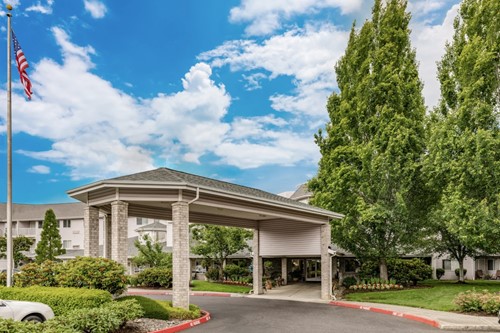
Senior Care in Hillsboro
25 assisted living, nursing & memory care facilities in Hillsboro.
 Senior Care
Community Senior Center
Hillsboro, OR
 Senior Care
Rock Creek
Hillsboro, OR
Senior Care
Rock Creek
Hillsboro, OR
Tuality Home Health
Hillsboro, OR
Evelyn's Adult Foster Home
Hillsboro, OR
Oregon Continental Home Health Care, Inc
Hillsboro, OR
Havenly Adult Foster Care
Hillsboro, OR
Cornell Estates
Hillsboro, OR
Home Instead - Hillsboro
Hillsboro, OR
TLC Best Homes LLC
Hillsboro, OR
Regina Adult Foster Home
Hillsboro, OR
Crystal Care AFH at Hacienda
Hillsboro, OR
Free Quotes
Get quotes from local pros in Hillsboro
Tell us what you need and we’ll pass it to companies that serve your area. It’s free, and there’s no obligation.

Compare Hillsboro with any city
See how it stacks up on cost, income, and quality of life.
Start Comparing